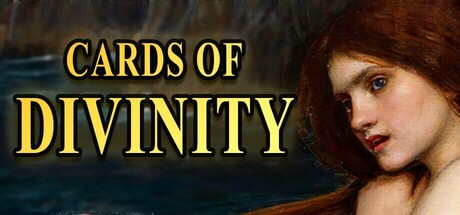
Cards of Divinity is a roguelike deckbuilder that combines Greek mythology, strategic card combat, and elegant classical presentation into a surprisingly engaging tactical experience. Developed and published by Spade Collective, the game places players in control of divine forces battling across mythological realms filled with legendary heroes, supernatural powers, and rival gods. While the foundation clearly draws inspiration from popular deckbuilding roguelikes, Cards of Divinity manages to establish its own identity through its unique hero lifecycle mechanics, mythology-driven atmosphere, and slower, more deliberate style of combat. It is a smaller-scale indie strategy game, but one with enough creativity and strategic depth to stand out among many similar card battlers.
The gameplay revolves around constructing a deck of heroes, blessings, spells, and enhancements while progressing through a series of increasingly dangerous encounters. At the start of each run, players choose one of several Greek gods to represent their divine patron. Each deity encourages different playstyles and significantly changes how runs develop. Some gods reward aggressive combat and direct damage, while others focus more heavily on resource generation, defensive setups, sacrifice mechanics, or long-term scaling strategies. This immediately adds replay value because each divine alignment pushes players toward different deck archetypes and tactical priorities.
One of the game’s most distinctive mechanics is the lifecycle system attached to heroes through the use of golden lotus flowers. Every hero gradually approaches death as their lotus petals disappear over time, meaning units cannot remain permanently active forever. Instead of simply building a board and protecting it endlessly, players are constantly forced to think ahead, preparing replacements and planning around inevitable losses. This creates a unique sense of tension because powerful units become temporary resources rather than permanent investments. Losing heroes is not just expected but often necessary for maintaining momentum and unlocking stronger synergies later in a run.
The combat system emphasizes strategy and efficiency over raw speed. Battles are slower and more methodical than many modern roguelike deckbuilders, requiring careful management of resources, positioning, and long-term planning. Success depends heavily on understanding how cards interact with one another and how to maintain consistent synergy throughout the deck. Powerful combinations often emerge through careful experimentation, and the game constantly rewards players for refining their builds instead of simply collecting the strongest individual cards available.
Deckbuilding itself is one of the strongest parts of the experience. There are multiple viable archetypes depending on which cards and divine abilities appear during a run. Some builds revolve around sacrificing weaker followers to empower stronger heroes, while others focus on chaining magical effects, overwhelming opponents with summoned units, or slowly scaling defensive advantages into unstoppable late-game setups. The variety of potential strategies gives runs a satisfying sense of unpredictability because no two decks evolve exactly the same way.
The progression systems are also handled well. Between battles, players encounter opportunities to remove weak cards, strengthen key abilities, and reshape their decks around newly discovered synergies. These moments become increasingly important during later stages where poorly optimized decks quickly fall apart against stronger enemies. The roguelike structure consistently encourages adaptation, forcing players to respond to changing rewards and challenges instead of relying on a single rigid strategy every run.
Atmosphere is another major strength of Cards of Divinity. The game fully commits to its Greek mythology theme, using classical paintings and art inspired by famous mythological illustrations to create a very distinct visual identity. Rather than relying on generic fantasy aesthetics, the game feels almost like an interactive mythology collection filled with dramatic depictions of gods, heroes, monsters, and divine conflict. The artistic direction gives the experience a sense of elegance and personality that helps it stand apart from many indie deckbuilders.
The soundtrack complements this atmosphere effectively. Orchestral music and ambient themes help reinforce the feeling of participating in divine battles between mythological powers. The audio presentation is not especially large in scale, but it supports the slower tactical pacing and mythological setting well. Combined with the visual design, the game creates a surprisingly immersive atmosphere for a smaller indie project.
Another positive aspect is the accessibility of the core mechanics. While the deeper strategic systems eventually become fairly complex, the game introduces its rules gradually enough that new players can understand the fundamentals without too much frustration. Summoning heroes, using spells, and managing resources are relatively easy to learn, while advanced optimization and synergy management naturally develop over time as players gain experience.
However, the game also has several noticeable weaknesses. The most significant issue is the relatively limited amount of content compared to larger roguelike deckbuilders. Although the core mechanics are strong, experienced players may eventually begin noticing repetition in enemy encounters, card pools, and overall progression structure after extended sessions. The strategic depth remains satisfying, but the game would benefit greatly from additional gods, cards, enemy types, and alternate game modes to increase long-term variety.
Balance can also feel uneven at times. Certain deity abilities and card combinations appear significantly stronger than others once players identify the most effective strategies. Some runs can become overwhelmingly powerful very quickly, while weaker builds may struggle heavily against later enemies even with careful play. Randomness is clearly intended to be part of the roguelike structure, but luck occasionally affects run quality more than ideal.
The pacing may divide players as well. Combat encounters tend to be slower and more deliberate than the fast combo-heavy gameplay seen in some modern deckbuilders. Players who enjoy thoughtful planning and tactical decision-making will likely appreciate this approach, but others may find some battles drag during longer sessions.
Another minor limitation is the relatively small community and competitive scene surrounding the game. While online leaderboards exist, the smaller player base reduces some of the long-term excitement tied to optimization discussions and competitive score chasing that larger deckbuilding communities often provide.
Despite these shortcomings, Cards of Divinity succeeds because its central mechanics are genuinely creative and supported by a strong thematic identity. The combination of mythology-inspired storytelling, strategic deckbuilding, and hero lifecycle management creates a roguelike experience that feels distinct within an increasingly crowded genre. It may not have the enormous content volume or refinement of the biggest deckbuilders available, but it compensates through atmosphere, thoughtful mechanics, and satisfying strategic depth.
For fans of roguelike card battlers, mythology-themed strategy games, and slower tactical experiences focused on synergy and long-term planning, Cards of Divinity offers a rewarding and visually memorable adventure. Its smaller scale and occasional balance issues prevent it from reaching the very top of the genre, but its creativity, atmosphere, and replayable deckbuilding systems still make it a highly worthwhile indie strategy title.
Rating: 7/10