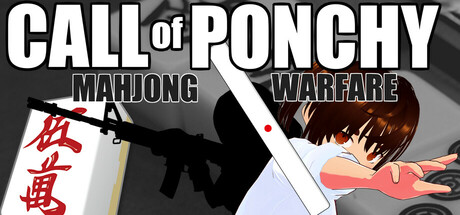
Mahjong TPS. It's a mahjong game with unusual rules, using guns and bats.
Modeled estimate, not a reported figure. How we estimate →
Media

About
Become a substitute player at high-stakes apartment mahjong.
Run around the table to collect tiles and defeat your rivals.
It's mahjong.
You win if you collect more points than your opponent by the last round,
or if you defeat all your opponents.
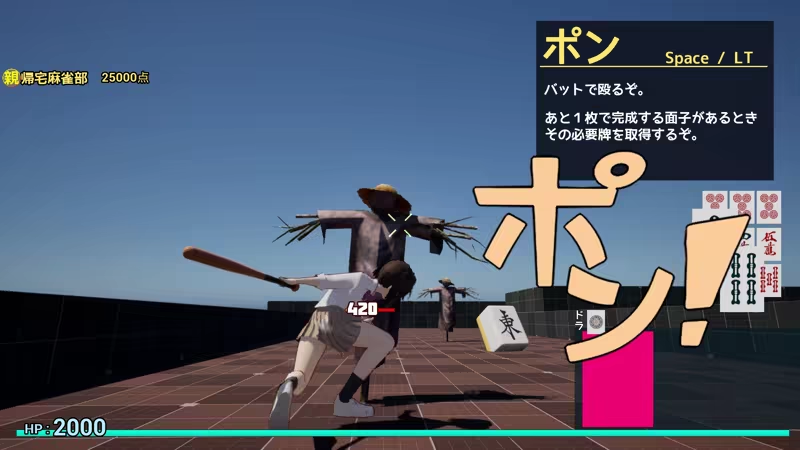
At the Mahjong Table - Battlefield, your mahjong power is tripled, and otherwise it is 1/3.
It's safe.
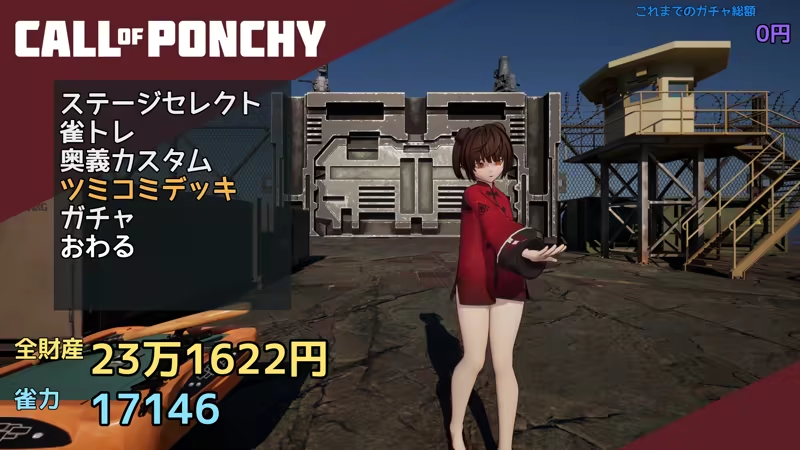
You can make a difference by stacking your hand or stacking your deck.
The game starts before you draw.
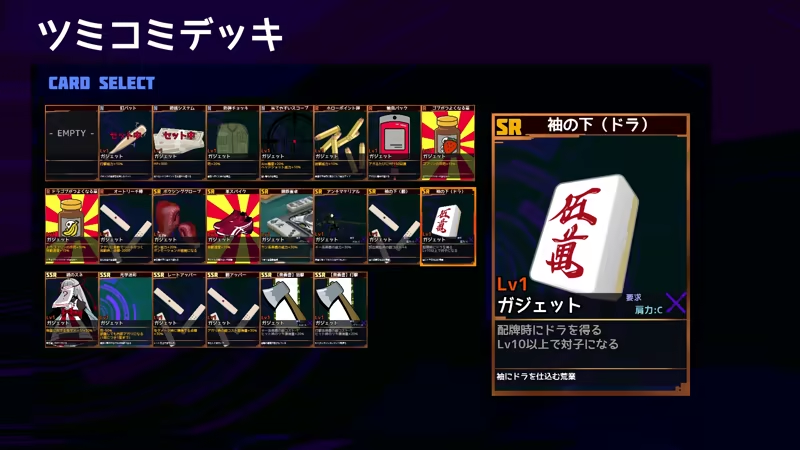
Throwing away tiles is a basic mahjong action called 'dahai',
but you are summoned as a result.
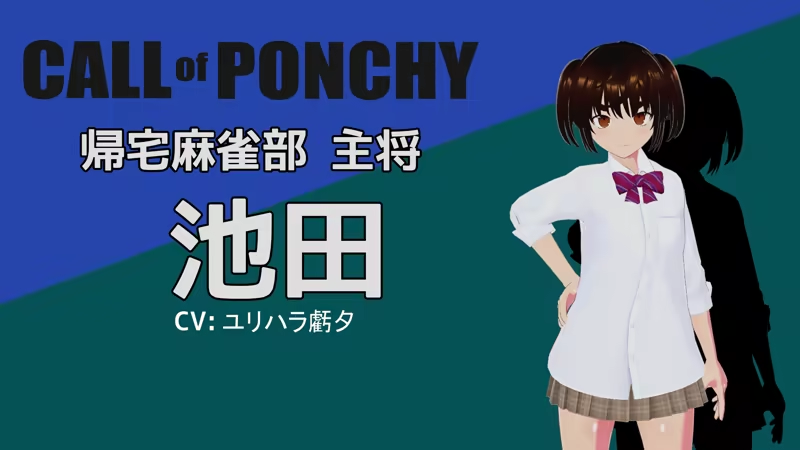
She is the main character.
She challenges high-stakes apartment mahjong to solve the injustice of society with money.
Stats
All-time low is the lowest price we've recorded for this game since we started tracking it.
Languages: Japanese, English, Simplified Chinese
Engagement
Reviews
相変わらず価格に対するコストパフォーマンスがバカ高いのやアセットバカゲーでありながらかなり遊べるチューニングにしてきているのは他の方も書いているとおりですが、今回は主人公の池田が何かかわいい。 多彩なコスチュームとそれぞれの性能があり、デッキとのシナジーを考える個所まであります。 私はほぼタンヤオで通しました。強いしチャイナとか好きだから・・・
2025年コスパ最強ゲーだと思います。 序盤は制限時間いっぱい何も考えずに役を完成させるだけでもトップを取れますが、中盤以降は点数の高い役を作るのを念頭に牌の収拾を行わないと勝てなくなるのは単調さを感じさせない、いい塩梅の難易度。 単なる麻雀ではなくFPSなので対戦相手をブン殴って体力を0にすれば相手はハコトビするのでそっちを狙うのもよし。 全員ブチのめせばどんだけ点差が開いていても君がトップだ!暴力万歳! ガチャを回してカードをゲットしてデッキを構成する楽しみもあります。 ストーリー間に挟まれるキャラクターのやりとりも短いながら記憶に残る絶妙な面白さ。残念なのは一度見ると見返せないことでしょうか。 120円と格安ですし気になる方は遊んでみていただけたらと思います。
役満とバットで敵をぶん殴る爽快感を味わおう!
Related
Related
Trends
Concurrent players on Steam, sampled daily since tracking started.
Hours played at review time, across 33 reviews with recorded playtime.
過去作に引き続きぶっ飛んでるけどちゃんと遊べるアセットゲーム 打牌するとゴブリンが召喚されるという発想はどうすれば生まれるんだろう…… 前作と比べるとSランククリアは簡単になったけど、麻雀の運要素もあってスコアアタックは難しくなっている気がします 索子染めフォームがお気に入り 天和!緑一色!四暗刻!トリプル役満!
ふざけた見た目とは裏腹に大満足のボリューム量と デッキ構築やビルドの概念、実戦での立ち回り等々戦略性あって面白い! そして何よりも池田が超絶カワイイんで全員買ってください
Call of Ponchy : Mahjong Warfare is an unapologetically unconventional hybrid that takes the deliberate, methodical structure of mahjong and throws it into a chaotic, real-time action environment. Developed and published by デジメカ製作所, it doesn’t simply layer action elements on top of a traditional ruleset—it reimagines how the game is played entirely, turning tile collection into something physical, immediate, and often unpredictable. The result is a game that feels experimental in the best sense, built around a single strange idea that is explored with surprising commitment. The foundation is still recognizably mahjong. Players gather tiles, build hands, and aim to achieve winning combinations, but everything unfolds in a third-person arena rather than around a table. Instead of drawing tiles in turn, you actively move through the environment to collect them, often competing directly with opponents who are doing the same. This shift transforms the pacing completely. What was once a slow, contemplative process becomes something fast and reactive, where awareness of your surroundings matters just as much as your understanding of tile combinations. Combat adds another layer to this transformation. Players are not just competing for tiles—they can also attack one another using a variety of weapons, creating a constant push and pull between strategy and aggression. This introduces a second path to victory: rather than focusing solely on building the best hand, you can disrupt opponents directly or eliminate them altogether. The interplay between these systems creates a dynamic flow where matches can shift rapidly, moving from calculated play to chaotic skirmishes and back again. What keeps the experience from feeling purely random is the underlying strategic depth. Knowledge of mahjong remains a significant advantage, as efficient hand-building and tile awareness can determine the outcome of a match. At the same time, the game introduces additional systems—such as pre-match customization and modifiers—that allow players to influence how runs unfold. These elements give players a degree of control over the inherent unpredictability, rewarding both preparation and adaptability. The game’s structure encourages experimentation. Matches are relatively quick, making it easy to try different approaches, whether that means focusing on aggressive playstyles or leaning into more traditional strategy. The dual win conditions—scoring through completed hands or defeating opponents—ensure that there is always more than one viable path forward. This flexibility is one of the game’s strengths, as it accommodates different playstyles without forcing players into a single approach. Visually, the presentation is functional rather than refined. The 3D environments are simple, designed primarily to support movement and interaction rather than to immerse the player in a detailed world. While the graphics lack polish, they remain clear and readable, which is essential given the fast pace of gameplay. The interface, however, can be challenging, particularly for players unfamiliar with mahjong terminology or those navigating the game without strong language support. This can create an initial barrier, especially when trying to understand more advanced mechanics. The game’s uniqueness is both its defining feature and its main limitation. Because everything revolves around the fusion of mahjong and action gameplay, there is a sense that the experience is built around a single central idea. While that idea is executed with creativity, it does not evolve dramatically over time. Once players become familiar with the systems, the gameplay loop can begin to feel repetitive, particularly in longer sessions. The novelty carries much of the experience, and its longevity depends on how much players enjoy that core concept. Even so, the game manages to carve out a distinct identity. It doesn’t attempt to compete with traditional mahjong titles or conventional action games; instead, it occupies a niche space between the two. Its willingness to embrace an unusual premise and build an entire experience around it gives it a sense of personality that many indie games lack. It feels experimental, but not unfocused—every element is tied back to its central concept. In the end, Call of Ponchy : Mahjong Warfare is a creative and memorable title that succeeds through originality rather than depth. It offers a fresh take on a classic game, blending strategy and action in a way that is both accessible and unpredictable. While its limited scope and reliance on a single idea may affect its long-term appeal, it remains an engaging experience for players willing to embrace its unconventional design. Rating: 7/10
アプデでだいぶ変わった!ロートルでも進める! こんなにかわってええんか・・・? クリアできた!!! 120円でクオリティが高い のは 前作通り。 ただ前作(略)山田の時より難易度上がった感じがする。 難易度上昇曲線のカーブの始まりが早くなったのかな? 敵が強い(まず12~13ファンでスタート) とか この主人公すぐ死ぬ とかあったんだけど パッチでだいぶゆるみました。 ステータスとか上げてないんじゃないかって?山田の時と同じ「ハイスコア合計値を振って基礎能力上昇」タイプなので過去面周回では基礎能力はほぼ上がらないよ!
凄く面白かったです!ポン!チー!の爽快感や、キャラの可愛さ、小ネタの多さなどクセになる面白さがあります。PVの感じからバカゲー臭が漂っていますが、意外と麻雀牌の取捨選択、捨て牌(ゴブリン召喚)とするか、手牌として抱えておくか、相手を撃つのか、逃げながら牌を探すのか、といった選択を迫られる場面があり、戦略性が高いです。ガチャや成長要素などもあり、この値段でここまで遊べるのであればかなりお得だと思います。 出来たら、麻雀牌の位置がランダムになれば、リプレイ性が上がりより面白くなると思います!
It's safe.
麻雀マスターになった 今のとこ今年1おもしろいです
Momentum
Pace estimated from the game's recent review growth (our daily snapshots) at its own sales-per-review ratio — a momentum signal, not booked sales.
Audience
Estimated from the language of this game's reviews — a proxy for where players are, not official Steam demographics.
Related
| Awesome Pea 2 | $700.8 | 56 | 88% | $0.99 |
| Naughty Girl 2 | $701.7 | 103 | 82% | $0.49 |
| CENTRALIA | $702.1 | 51 | 20% | $0.99 |
| Kamikaze Cube | $698.5 | 94 | 34% | $0.99 |
| Archery Blast | $695.2 | 52 | 52% | $0.69 |
| Battle Cube | $705.8 | 57 | 61% | $0.49 |
Related
| Human Fall Flat | $109.3M | 225.6K | 95% | $19.99 |
| Garry's Mod | $102.9M | 1.3M | 97% | $4.99 |
| DAVE THE DIVER | $67.1M | 159K | 97% | $19.99 |
| House Flipper | $65.8M | 110.8K | 94% | $24.99 |
| People Playground | $62.2M | 315.5K | 98% | $9.99 |
| Slime Rancher 2 | $45.9M | 49.2K | 95% | $17.99 |