Age of Gladiators II: Rome is a single-player strategy game set in the twilight of the ancient Roman Republic; a violent and unpredictable time when gladiatorial games were nearing the height of their popularity.
Hire scouts to scour the continent for potential prospects – once you have recruited your gladiators, you will need to manage their morale and personality while equipping them for battle. Recruit support staff, upgrade your gladiator school, collect bounties, research technologies, partake in side missions, and manage the wealth and reputation of your ludus as it grows each day.
As your fighters win battles and increase in level, it will be up to you to decide how to focus their abilities by spending attribute, weapons, and expertise points. Compete, trade, and interact with other in-game owners as you advance through various cities of the empire before achieving enough fame to compete in the grand coliseum of Rome herself.
Build your story. Build your empire.
Features:
- Control your gladiators with the new 3D isometric turn-based combat system, where fights can have hundreds of different outcomes. Utilize different combat styles and abilities – employ unique ethnic abilities, salves that increase physical stats, and special equipment such as bandages, stim salts, and more.
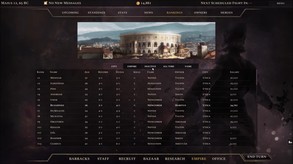
- Construct a ludus to your exact specifications in order to maximize the efficiency of your operation. Hospitals, sparring mats, barracks, armories, workshops, and more.
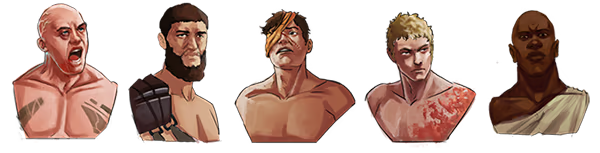
- Gladiators are born with their own dynamically generated physical attributes, classes, and personalities. It is up to you to shape your gladiator into the most proficient killing machine possible.
- As your gladiators level up, they gain points to spend on their attributes, weapons training, and expertise. Expertise allows you to build and customize your fighter according to their appropriate strengths. Weapons training allows you to specialize your gladiator with a specific weapon. The physicality of your gladiators will increase or decrease with age, depending on if they are in their prime or declining.
- Hire trainers to help your gladiators level faster, doctors to keep them healthy, scouts to find new fighters, and blacksmiths to improve weapons and armor.
- Manage your gladiators carefully – their morale, greed, injuries, fatigue, weapons training, and more must be taken into account before sending them to battle.
- As your gladiators gain glory from battle, they will become more widely recognized and adored by the crowds. Win enough battles and they may even get voted into the pantheon of heroes after they retire (or die).
- Become a mogul outside of the arena. Purchase property for fame or businesses through which to further increase your fame across the empire.
- Rob caravans, guard wealthy land owners, assassinate your debt holders and more with the proactive mission system. Increase the odds of success by sending reliable gladiators on the mission as well. Lawfully aligned gladiators will only partake lawful missions, while criminally-inclined gladiators will assist in unlawful activities.
- Engage in five different branches of research: combat, medical, weapons, armor, and scouting.
- Search for deals on weapons, armor, special equipment, and loans on the marketplace.
- Strive to become the wealthiest individual in the Roman empire. There are quick and underhanded ways to make money, but your reputation and fighter’s morale may suffer as a result.
- Receive taunting messages from opposing bosses as well as various other messages from your fighters, staff members, and different characters as you progress through the game.
- Rename your gladiators in order to increase your attachment toward them.
- Bet for or against your gladiator based on the odds generated by bookmakers in-game.
- Fight purses and betting is based on the hype associated with each match. The greater the hype, the more lucrative the fight purse and betting market will be.
- Each game is dynamically generated and different each time.
Other
The Age of Gladiators series is a twist on sports front office games like Out Of The Park Baseball or the Football Manager series. To continue the analogy, it was designed for people more interested in the strategy behind building up teams and players as a general manager rather than running the games tactically as coach. As well, the strategy element should appeal to fans of Paradox and other franchises in that genre.