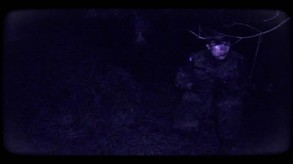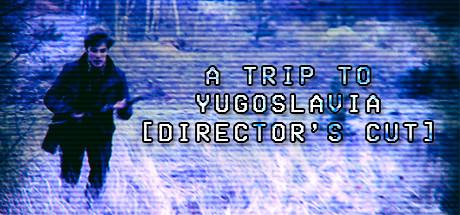
A TRIP TO YUGOSLAVIA is an experimental interactive game with a theme of the old VCR player (with the ability to REWIND, PAUSE and FASTFORWARD).
Modeled estimate, not a reported figure. How we estimate →
Media

About

Stats
All-time low is the lowest price we've recorded for this game since we started tracking it.
Languages: English, Polish
Engagement
Hours played at review time, across 42 reviews with recorded playtime.
Reviews
Themes across 41 recent reviews and how positive each mention is. A keyword signal, not full sentiment analysis.
positive critical· bar length = how often the theme comes up
Reviews
да
I like it; it's interesting, but the VHS stripes on the screen kinda make my eyes hurt. Nevertheless, this game deserves a positive review.
A Trip to Yugoslavia: Director's Cut, developed by Piotr Bunkowski in collaboration with Hades Productions and published by Sometimes You, is an experimental full-motion video adventure that blurs the boundary between interactive cinema and traditional point-and-click gameplay. Released on Steam in 2017 as an expanded edition of the original title, the Director’s Cut builds upon its predecessor with additional endings and content, reinforcing its identity as a branching narrative experience rather than a conventional action game. The story places players in the role of Dimitri, an amateur photographer who becomes stranded in a fictionalized post-collapse Yugoslavian setting. The backdrop is grim and isolating, centering on survival amid political unrest and environmental desolation. Rather than presenting a historically detailed recreation, the game uses the setting symbolically, framing it as a space of uncertainty, danger, and psychological tension. From the outset, the tone is somber and uneasy, with limited resources and unclear motives driving the narrative forward. The defining feature of A Trip to Yugoslavia: Director’s Cut is its use of FMV sequences presented through a stylized VHS interface. Cutscenes appear as grainy videotapes complete with visual distortions and the ability to rewind, fast-forward, or pause at will. This VCR-inspired mechanic transforms the player into both participant and observer, adding a meta-layer to the storytelling. Rather than passively watching events unfold, players can interact with the timeline, reinforcing the illusion that the narrative is being navigated rather than merely consumed. Gameplay alternates between FMV segments, point-and-click exploration, and quick-time events. In exploration sequences, players search environments for items, trigger interactions, and make dialogue decisions that influence the direction of the story. Quick-time events introduce moments of urgency, demanding timely button presses that can determine whether Dimitri survives a confrontation or faces a fatal outcome. These mechanics keep the experience interactive without overwhelming it with complex systems. However, the reliance on QTEs may feel abrupt to players seeking more strategic or skill-based gameplay. Choice plays a significant role in shaping the narrative. Dialogue decisions and action outcomes branch into multiple endings, encouraging replayability. The Director’s Cut version enhances this aspect by adding additional conclusions and extended scenes, giving players more narrative pathways to explore. Not all endings are hopeful, and many reflect the harsh realities implied by the setting. This emphasis on consequence reinforces the game’s themes of survival and unpredictability. Visually, the FMV presentation carries both strengths and limitations. The real-world footage lends authenticity to the environments and performances, but acting quality and production values vary. Some scenes effectively convey tension and emotional weight, while others may feel amateurish. The VHS aesthetic, complete with distortion effects, contributes to the atmosphere but can also feel heavy-handed over extended play sessions. Whether this stylistic choice enhances immersion or becomes distracting largely depends on individual taste. The game’s audio complements its gritty tone. Ambient sounds and sparse musical cues underscore moments of suspense and introspection. Silence is often used deliberately to heighten unease. Combined with the grainy visual presentation, the sound design reinforces the sense of being trapped in an unstable, deteriorating world. In terms of length, a single playthrough is relatively brief, often lasting only a few hours. However, the branching narrative structure encourages revisiting earlier decisions to uncover alternate outcomes. The Steam release includes achievements and standard platform features, but the core appeal remains narrative exploration rather than mechanical depth. Ultimately, A Trip to Yugoslavia: Director’s Cut stands as an unconventional experiment in interactive storytelling. Its fusion of FMV, VHS-style presentation, and branching decision-making creates an experience closer to an interactive film than a traditional video game. While its production roughness and uneven pacing may divide players, those open to experimental narrative design and choice-driven storytelling will find it a distinctive and thought-provoking addition to the indie interactive film genre. Rating: 7/10
[b][i]Люди, которые хотят пройти игру на 100%, могут смело проходить мимо этой игры. Это багованный кусок кода, который не протестировал разработчик. Система концовок в игре напрочь поломана, и всему виной... Пасхалки! Если Вы их собрали до того, как Вы начали проходить игру на все финалы, то игра Вам банально не засчитает концовки. Жаль потраченного времени и денег, ведь всему виной красивая VHS обёртка, а внутри это просто ничтожная пустышка.[/i]
:)
It's not really a game...more of an interactive student film on a shoestring budget. Wouldn't recommend it unless you're someone who misses bloody awful quick-time events.
idk what this game is i just had a euro left in my account and i bought the game for 99 cents and i must confess...IT'S REALLY FUN
Jeśli pieklo istnieje to Lucyfer kazalby mi grac w ta gre bez konca
i just didn't get it (
Weird.
Related
Related
Trends
Modeled estimate over time, reconstructed from Steam's monthly review histogram.
Audience
Estimated from the language of this game's reviews — a proxy for where players are, not official Steam demographics.
Related
| DON'T EXIST | $7.4K | 56 | 80% | $6.95 |
| Incaved Runner | $7.4K | 90 | 97% | $3.99 |
| Age of Castles: Warlords | $7.4K | 73 | 29% | $2.99 |
| Active Neurons - Puzzle game | $7.4K | 69 | 94% | $4.99 |
| Nekotype Keyboard Cat Simulator | $7.4K | 58 | 100% | $3.99 |
| LustyVerse: ShackBang | $7.4K | 85 | 53% | $4.99 |