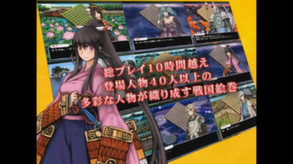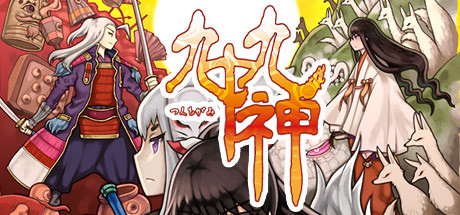
Tsukumogami is the original Japanese version of 99 Spirits.99 Spirits is an RPG/Puzzle game that revolves around the popular Japanese folklore of Tsukumogami, everyday objects coming alive on their 100th birthday.Hanabusa is a young headstrong girl living in the Heian capital within medieval Japan.
Modeled estimate, not a reported figure. How we estimate →
Media

About
Stats
All-time low is the lowest price we've recorded for this game since we started tracking it.
Languages: Japanese**languages with full audio support
Engagement
Hours played at review time, across 40 reviews with recorded playtime.
Reviews
Themes across 40 recent reviews and how positive each mention is. A keyword signal, not full sentiment analysis.
positive critical· bar length = how often the theme comes up
Reviews
敵の正体を見破る要素も、始めのころは目新しさがあるが、次第に作業と化していき面倒になる。 スクリプトエラーが起き、強制終了するしかない場面があるので、面倒な戦闘を繰り返さないためにもこまめなセーブを推奨。音楽、キャラクターは個人的には好み。
妖怪好きにはオススメの作品。妖怪を知らないと結構難しいかも?まあ名前のとおり九十九神だから物の名前が多いかな。だからまあ妖怪知らなくてもクリア不可能じゃない。主人公がかわいいからそれ目当てなら妖怪知らない人でも楽しめると思う。ボイス付いてるし。戦闘中はジト目になるから好きならバンバン戦闘しよう。ゲーム感想としては、お金に困るかも。アイテムの値段が高めだから節約しないとすぐになくなる。ちょっと困る。まあ防御と反撃きちんと出来ればかなり楽なので練習しとほうがいいかな。
プレイしてすぐ日本語無いじゃないかと思ったが、どうやら99Spiritsを購入すると99SpiritsとTsukumogamiの2本がライブラリに追加されて、Tsukumogamiの方が日本語版の模様。 妖怪に化けた"モノ"の名前を当てるゲーム。 戦闘は攻撃や防御によって玉に力を貯めて、貯めた力を使うとヒントが出る、これを繰り返して"モノ"が何なのかを当てる。 例:木 鉄 上の例だと答えは"おの"で、上記のヒントで分からない時はスキルを使い続ければ答えが一文字ずつ出て来る。 序盤は難しいというか面倒臭いが後半になると出来ることが増えるので楽。 キャラは萌えゲーではないがそこそこ可愛い、のっぺりとした絵柄。 良い点 戦闘が目新しくて面白い(楽しいかは別) キーボードを使わなくても良い。 選択肢によってエンディングが180度変わる 悪い点 マップ移動が見にくい、動かしづらい、わかりづらい。 スクリーンキーボードが使いにくい。 戦闘が単調になってくると飽きる。 普段使わないモノの名前が出てくる(これは自分が悪いのかも知れないがやってみると答えを見てもわからないのはある) ちなみにTsukumogamiのセーブデータを99spiritsのフォルダに移してやると一瞬で99spiritsの実績獲得可能。
付喪神の正体を見破り言葉を入力するアイデアは面白い。 が、好みが分かれそうな感じですね。 それが面白いと感じるなら楽しめるんじゃないでしょうか。 私は普通のコマンド選択式に慣れているせいか、 テンポが悪く入力が面倒くさいと感じてしまいました。 この辺で投げる人が多そうな感じですね。 私もその一人ですが・・・。
Bad
0/10
Tsukumogami is an unusual indie role-playing game developed by TORaIKI and published internationally by Fruitbat Factory that blends traditional RPG storytelling with puzzle-based combat mechanics inspired by Japanese folklore. At first glance it resembles a classic turn-based RPG with exploration, battles, and character progression, but its defining feature lies in the way players must identify and reveal the true nature of the supernatural enemies they encounter. Drawing heavily from mythological traditions surrounding tsukumogami—household objects that awaken as spirits after many years of existence—the game builds its world around a creative and culturally rooted concept rarely explored in mainstream RPGs. The narrative takes place in a stylized version of feudal Japan and follows the journey of a young warrior named Hanabusa. Her life changes dramatically when her mother is killed by a malevolent spirit, leaving Hanabusa determined to hunt down the supernatural beings responsible. These creatures are not ordinary monsters but tsukumogami, spirits born from objects that have existed long enough to gain consciousness and power. In folklore, items such as swords, bowls, tools, and everyday household possessions may transform into living entities after a century of use. In the game’s world, these awakened objects roam freely and often threaten the human population. Hanabusa’s path as a spirit hunter begins when she obtains a mystical sword capable of revealing the hidden identities of these creatures. Armed with this weapon and driven by vengeance, she travels across the countryside searching for answers and confronting the spirits that haunt the land. As her journey progresses, the story gradually becomes more complex. She encounters unusual allies, mysterious spirits, and hints about her missing father, whose connection to the supernatural world becomes increasingly significant. The quest evolves from a simple revenge story into a deeper investigation into family secrets and the nature of the spirit world. Exploration in the game takes place on grid-based maps that represent villages, forests, shrines, and other locations scattered across the region. Players guide Hanabusa through these areas while interacting with objects, speaking to characters, and searching for items that assist her journey. While the exploration mechanics are relatively simple compared to larger RPG titles, they provide a functional framework for discovering new spirits, collecting resources, and uncovering pieces of the story. Occasional environmental obstacles also require creative thinking or special abilities obtained from captured spirits. The most distinctive aspect of Tsukumogami lies in its battle system, which combines traditional turn-based combat with puzzle-style deduction. When encountering enemy spirits, players cannot simply attack until their opponent’s health reaches zero. Instead, the spirits are protected by a hidden identity that must first be uncovered. Hanabusa’s sword contains magical gems that accumulate energy during battle whenever she performs actions such as attacking or defending. Once enough energy is stored, the sword begins revealing clues about the spirit’s true identity. These clues appear as letters or descriptive hints related to the object from which the spirit originated. Using these hints, players must deduce the spirit’s name and correctly identify it. Only after making the correct guess does the enemy become vulnerable to damage. If the player guesses incorrectly, the spirit retaliates and the player must recharge the sword again before attempting another identification. This system transforms battles into intellectual challenges that require both observation and reasoning rather than relying purely on numerical strength. As the adventure continues, Hanabusa gains access to additional gems that expand the sword’s abilities. Some gems provide clearer clues to help identify enemies more quickly, while others allow players to capture defeated spirits. Captured spirits become allies that can assist in combat or provide special abilities during exploration. Certain spirits may interact with environmental objects, reveal hidden paths, or unlock puzzle solutions that would otherwise remain inaccessible. This mechanic adds an additional layer of strategy and encourages players to collect a diverse set of spirits for different situations. Visually, the game features an anime-inspired art style that fits well with its mythological themes. Character portraits are expressive and detailed, bringing personality to the dialogue scenes. Enemy designs are particularly imaginative, as everyday objects transform into eerie or whimsical spirits that reflect their origins. A lantern might become a floating ghostly creature, while an old weapon may awaken as a dangerous warrior spirit. Although the environments themselves are relatively simple, the strong character artwork and monster designs help give the game a distinctive identity. The music and sound design also contribute to the atmosphere of the adventure. The soundtrack blends traditional Japanese musical elements with dramatic themes that accompany battles and important story moments. The combination of cultural influences and mystical tones reinforces the supernatural setting. Voice acting is included in both English and Japanese, giving players the option to experience the dialogue in the language they prefer. Despite its originality, the game does have some noticeable limitations. The puzzle-based battle system, while creative, can become repetitive during longer play sessions since the process of charging the sword and guessing spirit names repeats frequently. The exploration maps are also somewhat basic, offering limited visual variety compared to larger RPGs. Additionally, certain gameplay systems—such as the management of hunger and supplies—can occasionally interrupt the pacing of the adventure rather than adding meaningful depth. Even with these shortcomings, Tsukumogami stands out as a bold and imaginative experiment within the RPG genre. By combining deduction puzzles with turn-based combat and drawing inspiration from authentic folklore, the game delivers a gameplay experience that feels refreshingly different from traditional role-playing games. Its willingness to explore unconventional mechanics makes it particularly appealing to players who enjoy unique gameplay concepts. Overall, Tsukumogami offers a creative blend of puzzle solving, mythology, and RPG storytelling that gives it a distinctive place among indie role-playing games. While its pacing and exploration systems may feel limited compared to larger titles, the originality of its combat mechanics and its rich folklore inspiration make it a memorable experience. Players who appreciate experimental RPG design and cultural storytelling will likely find the game both intriguing and rewarding. Rating: 7/10
Just as good as the English version, perhaps even better.
nicegameee
I like this very much, and it does have some original content i don't have on the english version. The mini extra game is very helpful, for the main game. A puzzle game with words, identifying the original creatures body. In japanese is a lot of challenge for me, and helps me learn a bit more on Kanji. The combat system can be very monotonous, i give you that, but, everything else, feels for me oldschool sega saturn style and ideas. Overall, i like the japanese version more then the english. I just don't understand, why THIS game, seem not to deserve Cards, and the english one does.
Related
Related
Trends
Modeled estimate over time, reconstructed from Steam's monthly review histogram.
Momentum
Pace estimated from the game's recent review growth (our daily snapshots) at its own sales-per-review ratio — a momentum signal, not booked sales.
Audience
Estimated from the language of this game's reviews — a proxy for where players are, not official Steam demographics.
Related
| The Last Cube | $46.3K | 149 | 97% | $19.99 |
| Sparkle 2 | $46.3K | 244 | 91% | $7.99 |
| School Owner | $46.3K | 58 | 22% | $19.99 |
| Sex Dorm🔞 | $46.3K | 122 | 75% | $9.99 |
| Fallen Angel | $46.3K | 165 | 72% | $14.99 |
| ARIDA: Backland's Awakening | $46.3K | 784 | 88% | $3.39 |