The Uncultured
The Uncultured is an art museum management game where you turn visitors into artists. Manage your museum, introduce people to art, nurture their talent, and display their creations. Can you transform the uncultured into creators and build the museum of your dreams?
Estimated lifetime revenueLow confidence
$914gross
$274low → high range$2.7K
Net to developer$608
Modeled estimate, not a reported figure. How we estimate →
Est. copies sold
130
mid estimate
About
About the game
📜 Introduction
Step into the role of a visionary curator in 'The Uncultured,' where the art world has crumbled, and it's up to you to restore creativity to a society starved of culture. As the manager of a struggling museum, you’ll discover, develop, and showcase groundbreaking art 🖼️ that will reshape history. Can you ignite the artistic spark 🎭 ?🎨 Create Your Unique Avatar
- 20 diverse appearance categories for limitless combinations
- 13 vibrant color options to perfect every detail
- Design and save up to 3 unique avatars—swap them effortlessly!
- Experience quick, intuitive customization tailored to your creativity
- Unlock and collect nearly 500 pieces of gear—can you collect them all?
🏛️ Design Your Dream Museum
Transform your museum into a stunning work of art itself by carefully crafting every room to captivate your visitors. From statues to lighting, every choice matters!- Curate Exhibits with Precision:
Place elegant display cases and fill them with priceless artistic treasures 💍. - Showcase Magnificent Statues:
Position grand statues on beautifully crafted bases to leave your visitors in awe 💈. - Frame Masterpieces:
Hang unique works of art in exquisite frames and create stunning galleries 🖼️. - Perfect the Atmosphere:
Ensure your museum feels welcoming with balanced lighting. Too much light may dazzle, but it comes at a cost—manage it wisely 💡. - Keep the Space Warm:
Avoid a chilly gallery by strategically placing fireplaces 🔥. But beware—more fireplaces mean higher upkeep. - Add Personal Touches:
Elevate your museum’s charm by decorating with extra flourishes that will truly impress your guests ✨. Specialization can turn a great room into an unforgettable experience.
🎨 Customize the Atmosphere
Bring your museum to life by tailoring the ambiance of every room with unique lighting and decor:- Set the Mood with Lighting:
Change the colors of torches, candles, and fireplaces 🔥 to create different atmospheres throughout your museum—from warm and inviting to dramatic and bold. - Design Rooms with Distinct Styles:
Experiment with a variety of colors, themes, and styles to craft rooms that stand out and leave lasting impressions on your visitors 🎨. - Effortless Customization:
Quickly apply changes to individual rooms or transform your entire museum with a button, giving you full control over your design vision🔧. - Unlock Advanced Customization:
Expand your creative options as you unlock even more tools to refine and perfect every corner of your museum⚙️.
👥 Bad Guys & Workers
Not everyone appreciates art the way you do. You'll face challenges from troublemakers, but with the right staff, you can keep your museum in top shape:- Art Thieves: Watch out—thieves will target your valuable pieces.
- Anti-Artists: Vandals will deface artworks and dirty your museum.
- Staff Solutions: Manage these threats on your own or hire workers to handle them:
- Guards: Protect your museum by catching thieves and dealing with troublemakers.
- Cleaners: Keep your museum spotless and restore it after vandals strike.
- Educators: Engage with visitors by answering questions and enriching their experience.
- Brochure Distributors: Draw more visitors to your museum by spreading the word.
- Guards: Protect your museum by catching thieves and dealing with troublemakers.
📈 Level Up Your Museum Mastery
As you progress in the game, you'll earn skill points to unlock and enhance a wide range of abilities. Boost visitor capacity, increase cultural impact, cut costs, and attract more guests to your museum and six more unique skill. Each skill point brings you closer to building the ultimate art institution, giving you more control over your museum’s success and growth.💰 A Dynamic Art Market
Your museum’s influence will spark creativity in the local community, inspiring artists to produce newer and higher-quality works as they evolve. Explore this ever-changing market to collect unique pieces for your museum and fuel its growth. But not all art comes from the galleries—venture into the back streets, and you might find stolen works for a lower price. Though cheaper, these pieces come with their own risks and lower quality. The choice is yours—will you go for prestige or take a more daring approach?📊 Track Your Museum’s Journey
Monitor your museum’s progress with detailed graphs that capture every moment, day by day. Whether you're rising to new heights or facing challenges, you can easily track your performance and make adjustments whenever needed. Keep an eye on the trends—are you on the rise or heading for a fall?✨ And Even More!
- 🔛Museum Expansions: Unlock new rooms as you progress, expanding your museum into a grand masterpiece that will attract and inspire even more visitors.👨👩👧👦
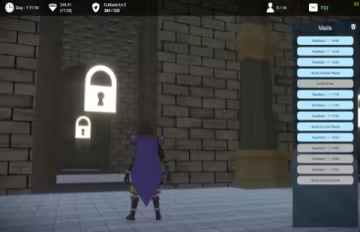
- 📩Mails & Notifications: Stay updated with hourly reports on income, expenses, visitor feedback, important updates, and even donations. Keep an eye on your museum's performance and fine-tune each room to perfection.👌
- 📖Interactive Tutorial: No worries about getting started—an easy-to-follow tutorial will guide you every step of the way.😻
- 🏆Achievements: Put your skills to the test with a wide variety of achievements to unlock.🔓
- 📰More to Come: Stay tuned for future content updates and exciting new features!👀