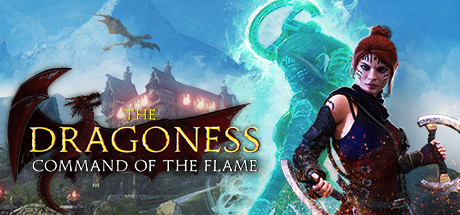
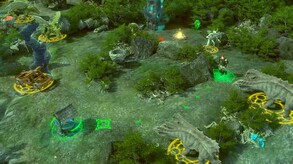
The Dragoness mixes HOMM-like exploration, city-building and turn-based strategic combat, with a roguelite twist. Choose your battles, paths and skills as you explore a world ravaged by war. Gather and manage your army of beasts, collect resources and expand your city.
Modeled estimate, not a reported figure. How we estimate →
About


Stats
All-time low is the lowest price we've recorded for this game since we started tracking it.
Languages: English*, French, German, Spanish - Spain, Simplified Chinese, Russian, Polish, Japanese*languages with full audio support
Engagement
Hours played at review time, across 40 reviews with recorded playtime.
Reviews
Жаль нет оценки средне... В общем такое чувство, что создатели играли в героем, играли в дизайплов, играли в кингс баунти... Больше всего полюбили героем. Однако о такой вещи как баланс или QoL похоже создатели не слышали. Никак иначе я не могу объяснить например отсутствия НОРМАЛЬНОГО ПОЛНОЦЕННОГО описания магии и, особенно, монстров. Вы представляете, нигде сходу ты не сможешь увидеть что дракон дышит на 2 клетки или что некоторые существа могут себе ману восстанавливать... Таких вещей масса. Если уж пытаетесь копировать героев, то зачем подождать или уйти в защиту поставили на цифры? На цифрах это непривычно... Да и в целом хотелось бы ряд кнопок переназначить В целом играть и даже получать удовольствие можно, но в игре куууча огрехов которые поправить не сложно и которые реально сильно портят игровой опыт
Gra bardzo fajna, chociaż miejscami trochę monotonna. Ukończyłem wszystkie wyzwania i zdobyłem prawie wszystkie osiągnięcia, co nieczęsto się mi zdarza. Grałem na poziomie standardowym, dopiero na koniec doczytałem się, że można zmienić poziom trudności na planszy głównego miasta. Walki bardzo przypominają te z Herosów, tyle że mechaniki są tu prostsze. Fabuła i grafika jest średnia. Jeżeli komuś brakuje gier typu Heroes to polecam, zwłaszcza że można ją kupić na promocji dość tanio. Co bym zmienił?: Każdą misję zaczynamy tylko z 3 jednostkami. Wykonując misje i rozbudowując miasto możemy te jednostki nieco ulepszyć. Możemy również zakładać 3 artefakty oraz wybierać cechy wojowniczki. W ramach tych trzech miejsc, można też zamiast podstawowych jednostek kupić najemników - niestety tu waluta na ich zakup jest mocno ograniczona. Mimo że miałem wymaksowane prawie wszystkie ulepszenia, nie czułem progresu postaci, więc na początek w prawie każdej misji trzeba się było nieco męczyć. Uważam że te ulepszenia powinny być bardziej odczuwalne - pewnie przez to gra była by dużo łatwiejsza, ale też szybsza. Inny sposób, to wykupienie najemnika na stałe a nie tylko do jednej misji - to też by powodowało znacznie szybszą i przyjemniejszą rozgrywkę. (Przykładowo ja najemników nie wykupowałem, więc nazbierałem tej waluty tyle, że na dwie ostatnie misje wykupiłem smoka, który praktycznie wszystkich rozwalał - no i w tych misjach czułem że jestem silniejszy i szybko je przeleciałem). Tak czy inaczej grę polecam.
Ставлю лайк только за задумку, мне нравится такой концепт, я бы с удовольствием поиграл в что-нибудь такое еще. Ну и неплохой дизайн некоторых карт можно еще отметить. Но реализация из рун вон плохо, странные описания, плохо сделана метапрогрессия, у юнитов мало абилок, мало информации о развитии героя, игровой процесс довольно быстро в нудятину скатывается, миллион однотипных боев подряд значительно препятствуют тому чтоб доиграть до конца.
A mediocre knockoff of the Heroes and King's Bounty games. Aimed at the mobile market, made by an uninspired developer on a tight budget, with all the requisite "features" of such games: glossy art, tedious combat, a couple of lame voice actors, dumb plot, and a lame ending. The game is also runs really unoptimized. The animation in this game isn't too bad, and there aren't any major bugs. 3/10 not worth your time
Fun enough HoMM-Like with some cool ideas, quite janky though. Please never make an enemy like the umber dragon again.
good game
The Dragoness: Command of the Flame to pierwsza większa gra od mało znanego studia Crazy Goat Games. Sama produkcja reklamuje się rozgrywką zbliżoną do kultowej serii gier Heroes of Might and Magic, posiadającą jednak dodatkowo cechy roguelike'a. W grze mamy możliwość odegrania tylko jednej kampanii z góry narzuconą postacią czy celami, dlatego od razu skojarzyło mi się to bardziej z King's Bounty, aniżeli z samymi HoMM. Fabuła nie wydaje się być zbyt ekscytująca - jak po tytule produkcji można się domyślić sporą rolę odgrywają tutaj smoki. Niegdyś istniały ich dwa rody, ale jeden z nich został spaczony przez zazdrość i ambicje, w efekcie stając się głównymi antagonistami. My oczywiście gramy po tej dobrej stronie i chcemy przywrócić pokój na opanowane przez chaos i spaczenie ziemie. Nie obędzie się także bez wielokrotnej walki z łuskowatymi gadami. Sama rozgrywka czyli przemieszczanie się po mapie faktycznie w dużej mierze przypomina HoMM - nasza bohaterka jest przedstawiana jako duża postać zbierająca leżące na ziemi zasoby, czy przedmioty, a także odwiedzająca liczne lokacje umieszczone po mapie, która zawsze jest niestety ograniczona - dlatego bardziej przypomina to mapy-instancje aniżeli duży świat po którym możemy dowolnie podróżować. Każda misja to osobna mapa, na której oprócz obiektów niezbędnych do jej wykonania można znaleźć też dodatkowe miejsca czy zadania poboczne, które możemy wykonać bądź nie. Warto jednak się nimi zainteresować, gdyż nagrody zdobyte w ten sposób przydadzą się nam do dalszego rozwijania nie tyle naszej bohaterki, co bardziej miasta, w którym stacjonujemy. Pola bitew jak wyglądają także nietrudno się domyślić - niewielki obszar podzielony na kwadratowe fragmenty. Najbardziej przypominają one bitwy z piątej odsłony HoMM. Jednostki jakie będą ścierać się ze sobą to wszelkiej maści bestię - nie znajdziemy tutaj ludzi. W naszej armii na początku będą głównie enty i centaury, by później móc zwerbować nawet własne smoki. Rodzajów stworów jest całkiem sporo, chociaż nie znajdziemy tutaj nic oryginalnego - od co, wszelkie elfy, nietoperze, chimery czy feniksy. Niektóre z nich występują także w kilku rodzajach od ,,młodych", a skończywszy na ,,starszych". Dużo z tych bestii posiada swoje specjalne zdolności, zwykle w postaci pojedynczych zaklęć, które mogą rzucać na siebie czy inne cele (sojusznicze/wrogie). Wiele z nich wydaje się być naprawdę mocne, dlatego warto czasem mieć w armii stwory-supportów, które nie tyle walczą co rzucają różnorakie efekty. Oczywiście nie można nimi spamować bez końca bo ogranicza je mana, ale tę można regenerować co turę jeśli tylko wydamy taki rozkaz stworzeniu. Z jednej strony jest to fajne, ale z drugiej można to bardzo nadużywać. Jeśli ogólnie chodzi o rekrutowanie stworzeń to zdobywamy je pojedynczo i nie można ich stackować tak jak to wygląda w innych grach tego typu. Jest za to jednak inna mechanika - łączenie ze sobą dwóch takich samych stworzeń, aby stworzyć jedno silniejsze. Skojarzyło mi się to z auto chessami, które swego czasu były bardzo popularne - tu wygląda to podobnie. Dwie jednostki najniższego szczebla połączone dają jedną z gwiazdką, a potem po połączeniu takich powstaje stworzenie z trzema gwiazdkami. Oczywiście statystyki tak stworzonego stwora są znacznie większe, więc jest to opłacalne, chociaż czasem lepiej mieć więcej takich jednostek niż jedną silną. The Dragoness: Command of the Flame reklamuje się także tym, że rozwijamy swoje miasto, co ma działać podobnie jak w King's Bounty lub HoMM. I faktycznie, otrzymujemy jedno miasto do zarządzania, w którym możemy wznosić różnorakie budowle. Znajdziemy tutaj więc budowle do rekrutowania armii czy ulepszania zdolności naszej postaci. Nie ma tutaj jednak żadnego ,,łańcucha budowlanego", a jedynie musimy opłacić budowę poprzez zasoby, jakie zbieramy z kolejnych misji. A gdzie jest to roguelike o którym było wspomniane wcześniej? Wygląda to tutaj tak, że jeśli przegramy bitwę i teoretycznie zginiemy, to nie musimy wcale wczytywać wcześniejszego zapisu i odegrać ją od nowa, tylko po prostu nasza postać zostaje odrodzona, zyskując przy tym pewną rekompensatę w formie zasobów czy startowych zdolności. Czy jest to opcja lepsza niż wczytanie gry? To zależy, mam wrażenie, że nie jest to do końca przemyślane i odpowiednio zbalansowane. Zawsze do wyboru mamy przynajmniej dwie opcje "odrodzenia" różniące się startowymi zasobami czy zdolnościami i często od razu widać która z nich jest zdecydowanie lepsza. Grafika jak i ścieżka dźwiękowa nie zachwycają. Jeśli chodzi o modele, tekstury i animacje to mam wrażenie jakby gra była robiona gdzieś w latach 2010-12. Nie wiem jak długo była tworzona, a zważywszy, że odpowiada za nią niewielkie studio to faktycznie mogło to zająć trochę czasu, ale czy aż tyle? Możliwe też, że taka oprawa audiowizualna to także cięcie kosztów samej produkcji gry. Niestety to sprawia, że nie zachęca, może nie, że od razu odpycha, ale na dzisiejsze standardy po prostu nie przykuwa oka, co jest mimo wszystko ważnym aspektem dla gier wideo. Ścieżka dźwiękowa też nie zapadła mi w żaden sposób w pamięć, ale przynajmniej nie irytowała. Niestety The Dragoness: Command of the Flame nie wyróżnia się niczym niezwykłym. Rozgrywka jest bardzo monotonna, w samej produkcji ze świeczką szukać jakiś nowatorskich rozwiązań czy nawet ciekawszej fabuły. Nie potrafi do siebie niczym przykuć, gra się w nią nieco od niechcenia. Szkoda, bo zapowiedzi wyglądały obiecująco, tymczasem otrzymaliśmy grę będącą biedniejszą wersją King's Bounty. ---------------------------------- Spodobała Ci się moja recenzja? Koniecznie zajrzyj na mój profil - znajdziesz tam takich szczegółowych recenzji więcej :) Zachęcam do oceniania. Jeśli masz do zaproponowania jakąś ciekawą gierkę, którą mogłabym ograć i zrecenzować, to daj znać w komentarzu na moim profilu.
The Dragoness: Command of the Flame is an ambitious indie strategy title that aims to revive the spirit of classic fantasy strategy games while layering in modern roguelite progression and city management systems. Developed by Crazy Goat Games and published by PQube, the game clearly wears its inspirations on its sleeve, drawing heavily from the design philosophy of older titles where careful planning, army composition, and long-term resource management were just as important as battlefield tactics. The result is a multifaceted experience that is rich in ideas, occasionally rough in execution, but undeniably distinctive in its scope and intent. The game’s narrative framework establishes a dark fantasy setting shaped by war, ruin, and draconic dominance. You take on the role of a Commander serving under the enigmatic Dragoness, tasked with reclaiming and rebuilding the shattered capital of Níwenborh while pushing back hostile dragon factions across the Drairthir Peninsula. Rather than focusing on deeply personal character arcs, the story functions primarily as a strategic backdrop, providing motivation and context for your actions. Dialogue and story beats are delivered through illustrated scenes and voice acting, giving the campaign a sense of scale and continuity even if the writing itself leans toward familiar fantasy tropes rather than nuanced storytelling. Exploration takes place on a turn-based overworld map, where every movement consumes resources and time. This structure forces players to weigh risk versus reward constantly, deciding whether to pursue distant objectives, engage roaming enemies, or return to safety before resources run dry. The pacing here evokes classic strategy titles, where progress feels deliberate and methodical rather than immediate. While this approach enhances the sense of planning and consequence, it can also feel slow, particularly during longer missions where backtracking or repeated encounters stretch playtime without introducing new dynamics. Combat unfolds on grid-based battlefields and forms the tactical core of the experience. Players command armies composed primarily of beast units, each with specific roles, strengths, and abilities that reward thoughtful positioning and synergy. In theory, battles offer meaningful strategic depth, encouraging experimentation with army composition and ability usage. In practice, however, combat can sometimes feel plodding. Animations are functional but lack impact, and encounters can drag on longer than necessary, reducing tension and making repetition more noticeable over extended play sessions. Still, when systems align and unit abilities complement one another, the tactical layer delivers satisfying moments of calculated victory. One of the game’s most distinctive features is its city-building and progression layer. Reconstructing Níwenborh serves as the long-term backbone of the campaign, with buildings unlocking new units, bonuses, and strategic options. This persistent development creates a strong sense of advancement that carries across individual runs, reinforcing the roguelite structure. Even when a campaign ends unsuccessfully, progress made in the city helps future attempts feel stronger and more informed. While not as deep as a dedicated city builder, this system adds meaningful context to exploration and combat, making victories and failures alike feel consequential. Visually, The Dragoness: Command of the Flame adopts a stylized, somewhat restrained presentation. Environments and units convey the fantasy setting clearly, but the overall aesthetic lacks the polish and dynamism of higher-budget strategy titles. Interface design is dense and occasionally unintuitive, presenting a learning curve that can be discouraging for newcomers. Tooltips and explanations are present but not always sufficient, leading to moments where mechanics feel opaque rather than challenging. For players willing to invest time into understanding the systems, this complexity eventually becomes manageable, but it remains one of the game’s most frequently cited hurdles. Replayability is built into the game’s structure through procedural elements, branching objectives, and persistent progression. Each campaign offers slightly different challenges and opportunities, encouraging players to adapt strategies rather than rely on a single optimal approach. However, the balance between handcrafted content and procedural variation is uneven, sometimes resulting in runs that feel either overly familiar or awkwardly paced. This inconsistency can make replay sessions feel unpredictable in both positive and negative ways. Ultimately, The Dragoness: Command of the Flame is a game defined by its ambition. It attempts to merge turn-based exploration, tactical combat, city management, and roguelite progression into a single cohesive experience, and while it doesn’t always succeed seamlessly, the effort is evident throughout. For fans of classic fantasy strategy games who are willing to accept slower pacing, dated presentation, and occasional mechanical friction, it offers a deep and rewarding strategic loop. It may not reach the heights of its inspirations, but it stands as a passionate and content-rich entry that values long-term planning and strategic commitment over instant gratification. Rating: 6/10
The Dragoness: Command of the Flame is a turn-based “army tactics” game wrapped in a classic adventure-map loop. You travel across a world map, pick fights and events, gather resources, and build up a stack of units that you deploy in battles. The vibe is closer to old-school Heroes-like strategy than to a tight, squad-based tactics game. A big part of the experience happens between fights. The overworld is where you choose your route, decide which encounters are worth the risk, and try to arrive at the hard battles with enough strength and momentum. It creates a steady feeling of journey and planning, even when the individual battles are fairly straightforward. The game also leans into a roguelite structure: runs are meant to be repeated, and your path choices shape how powerful you become over time. Instead of one long campaign with perfectly controlled growth, you’re often working with what you’ve got, adapting your army based on what you can recruit and what your run offers you. That “make the best of this run” mindset is the main hook. Combat is turn-based and focuses on placement, matchups, and keeping your army alive. You’re generally thinking in terms of “what unit counters what” and “how do I trade efficiently,” rather than mastering complex combos or deep multi-turn tactics. When it clicks, it’s satisfying in a clean, board-game way—set up advantages early and let the fight tilt in your favor. The base-building and metaprogression layer is present, but it’s not an enormous management sim. It works more like a hub that turns your run rewards into upgrades and new options, so the next attempt starts with more flexibility. If you like light, tangible progression without heavy spreadsheets, it’s a comfortable middle ground. Where the game can lose people is variety and intensity. Some players will find that battles start to feel similar after a while, and the strategic layer may come across as “good enough” rather than especially deep. If you need constant mechanical novelty, you might feel the repetition more sharply than the game intends. Overall, The Dragoness: Command of the Flame is best for someone who wants the adventure-map fantasy of recruiting and growing an army, with a run-based structure that encourages repeating and improving. It’s less ideal if you’re looking for top-tier tactical complexity or highly varied encounter design. Treated as a relaxed, Heroes-flavored strategy roguelite, it can be an enjoyable niche pick.
[u][b]The Dragoness: Command of the Flame[/b][/u] is a game that resembles the various HoMM (Heroes of Might and Magic) titles, but with significant differences. [h2]Similarities to HoMM[/h2] [•] The game is set in a fantasy world and is played in turns (both the exploration and combat phases). [•] You have a city which provides abilities and where you can recruit troops. [•] You command a hero who can level up and gain abilities as they progress, and who can lead up to six different combat units in battle. [•] The hero moves around the map according to their movement capacity, using one action point (AP) per move, while attacking or collecting nearby objects does not require AP. [•] Across the game maps, you can collect resources, food, artefacts, bonuses, upgrades, and new troops. All of these are almost always guarded by enemy forces. [h2]Differences from HoMM[/h2] [•] You only have one city (which does not appear on the map); you cannot conquer other cities, nor can you lose your own. [•] You have just one hero, and their abilities change at the start of every mission (roguelike-style). Essentially, a new level 1 hero with random abilities is generated at the beginning of each mission. [•] Each of the six-unit slots for the hero’s army holds just a single unit, not dozens or hundreds. Troops always start at base level (0) and can be upgraded to level 1 if you find a duplicate. Similarly, two level 1 units can be merged to create a level 2 unit (the maximum). [•] The number of magic spells and abilities is greatly reduced and are only acquired as your hero levels up. [•] The base troops are always available in city (if you construct the relevant buildings and purchase upgrades). Other types of creatures can be recruited by spending specific runes found in the game (these are limited, so you typically begin with the base troops). [h2]Opinion[/h2] Personally, I do not consider this game on par with the classic HoMM titles (specifically the first three), but it is not so poorly made as to deserve a negative rating… obviously, this is just my own view. When I do not enjoy a game, I do not finish it; in this case, I completed it in about 45 hours, which means that, for me, it is at least a passable game. Specifically, I would give it a 7 out of 10. So, it left me with a generally pleasant experience, even if its structural limitations prevented it from receiving a higher score. [h2]Recommendation[/h2] If, like me, you have played all the original HoMM games (from 1995 to 2015), you might consider giving this game a chance. However, if you are not accustomed to turn-based fantasy games, I would suggest starting with any famous games by Larian Studio (e.g. Divinity: Original Sin (1 and 2) or their latest game Baldur's Gate III) or other classic games like Blackguard (1 and 2) by Daedalic Entertainment or any other game tagged as fantasy, turn-based, RPG that holds at least an 80% positive rating.
Related
Related
Trends
Modeled estimate over time, reconstructed from Steam's monthly review histogram.
Momentum
Pace estimated from the game's recent review growth (our daily snapshots) at its own sales-per-review ratio — a momentum signal, not booked sales.
Audience
Estimated from the language of this game's reviews — a proxy for where players are, not official Steam demographics.
Related
| Putt-Putt® Saves The Zoo | $74.3K | 597 | 98% | $6.99 |
| Sudden Strike Gold | $74.4K | 504 | 88% | $5.99 |
| The Brave of Boner and the Demon of Halphas | $74.4K | 281 | 96% | $13.99 |
| NEEDY STREAMER OVERLOAD: Typing of The Net | $74.3K | 870 | 72% | $3.99 |
| Sancticide | $74.4K | 136 | 63% | $19.99 |
| Sanguine Rose | $74.4K | 188 | 77% | $14.99 |