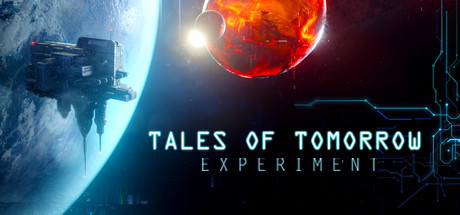
Tales of Tomorrow: Experiment is a slow-burning psychological adventure that focuses heavily on atmosphere, mystery, and emotional tension. Instead of delivering a traditional horror experience built around combat or constant jump scares, the game takes a more cerebral approach by placing players inside a strange scientific project where memory, perception, and reality gradually begin to collapse into one another. The result is an unsettling narrative-driven experience that relies on exploration, storytelling, and psychological discomfort to maintain engagement. From the opening moments, the game creates a feeling of uncertainty that remains present throughout nearly the entire journey.
The story revolves around a mysterious experiment connected to the human mind and consciousness. As players move deeper into the facility and uncover more information, it becomes increasingly clear that the experiment has consequences far beyond what its creators intended. The narrative unfolds piece by piece through environmental details, cryptic conversations, notes, and surreal sequences that blur the boundary between reality and hallucination. Rather than offering immediate explanations, the game encourages players to slowly assemble the truth themselves. This fragmented approach to storytelling creates a constant sense of intrigue because every new discovery raises additional questions instead of providing easy answers.
One of the game’s greatest strengths is its atmosphere. Nearly every environment feels intentionally designed to create emotional discomfort. Sterile laboratories, dark hallways, and distorted dreamlike areas all contribute to a growing sense of paranoia. Lighting and sound are used carefully to maintain suspense without relying on excessive visual shock tactics. Quiet moments often feel just as tense as the more dramatic scenes because the game constantly suggests that something dangerous or unnatural may be waiting nearby. This approach makes the horror feel psychological rather than physical, which gives the experience a more lingering and unsettling quality.
The gameplay itself remains fairly simple, but that simplicity helps keep attention focused on immersion and narrative progression. Players spend most of their time exploring environments, interacting with objects, solving puzzles, and uncovering clues tied to the experiment. The puzzles are generally integrated naturally into the story instead of feeling disconnected from the world around them. While the mechanics may not be especially complex, they serve the pacing effectively by encouraging observation and careful exploration. The game is clearly more interested in creating emotional tension and narrative mystery than mechanical challenge.
What makes Tales of Tomorrow: Experiment particularly interesting is the way it combines science fiction concepts with psychological horror themes. The experiment at the center of the story becomes symbolic of manipulation, obsession, and the instability of memory itself. As events become stranger, the player is forced to question whether the environments and experiences being witnessed are real or artificially created. The narrative often embraces ambiguity, allowing multiple interpretations of certain scenes and events. This layered storytelling style gives the game a deeper emotional impact for players who enjoy analyzing themes and hidden meanings rather than simply following a straightforward plot.
The audio design deserves considerable praise for the role it plays in maintaining immersion. Ambient sounds echo throughout the environments, while subtle musical tracks quietly reinforce feelings of tension and isolation. Silence is frequently used just as effectively as music, particularly during moments where the game wants players to feel vulnerable or uncertain. The soundscape constantly contributes to the psychological pressure, helping even slower scenes feel unsettling. Voice performances also help communicate emotional exhaustion and fear, making the characters feel believable despite the surreal circumstances surrounding them.
Visually, the game balances realism with surreal imagery in a way that supports its themes effectively. Some environments appear grounded and believable, while others feel intentionally distorted or dreamlike. The transitions between these styles often happen gradually, making it difficult to tell when reality begins to break apart. This visual instability strengthens the psychological tone because players are never fully certain whether what they are seeing can be trusted. Even though the production values remain modest compared to larger horror titles, the artistic direction is strong enough to leave a lasting impression.
The game’s slower pacing may not appeal to every player. Those expecting frequent action sequences or traditional survival horror mechanics could find parts of the experience too methodical. Certain sections focus heavily on exploration and observation, which can occasionally make progression feel drawn out. Additionally, the abstract storytelling may frustrate players who prefer direct explanations and clearly defined conclusions. The game intentionally leaves some ideas unresolved, which fits its themes but may feel unsatisfying to those looking for complete narrative clarity.
Despite these flaws, Tales of Tomorrow: Experiment succeeds because of its commitment to atmosphere and psychological storytelling. It understands that fear can be created through uncertainty and emotional tension rather than constant danger. The game consistently prioritizes mood, mystery, and thematic depth over spectacle, which gives it a distinct identity among indie horror experiences. Its science fiction premise adds another layer of intrigue, allowing the story to explore philosophical questions about memory, identity, and the ethical consequences of pushing scientific experimentation too far.
In the end, Tales of Tomorrow: Experiment offers a haunting and thought-provoking journey for players who appreciate narrative-focused psychological adventures. It may not deliver nonstop thrills or traditional horror action, but it creates a deeply immersive atmosphere filled with paranoia and emotional unease. The game’s combination of slow-burning tension, surreal storytelling, and philosophical themes makes it memorable long after the credits roll. For fans of atmospheric psychological horror and science fiction mysteries, it provides an engaging experience that values mood and interpretation above everything else.
Rating: 6/10