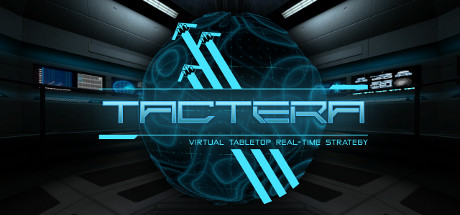
Tactera, developed and published by E McNeill, is a streamlined real-time strategy experience that distills the genre down to its most essential elements while wrapping everything in a futuristic, holographic war room aesthetic. Originally conceived with virtual reality in mind, the game embraces a tabletop-style presentation where battles unfold across a glowing digital battlefield. Rather than overwhelming players with resource management, base construction, or sprawling tech trees, Tactera focuses on tactical clarity, positioning, and deliberate unit selection, creating a strategy game that feels both modern and minimalist.
At the start of each engagement, players select a limited number of unit types from a broader roster, a choice that significantly shapes the flow of the match. Each unit category—ranging from armored ground vehicles to agile aerial attackers—comes with defined strengths, weaknesses, and battlefield roles. Because there are no traditional economic systems to manage, success depends on how effectively you deploy and maneuver these forces. This emphasis on pre-battle composition creates a strong strategic foundation, as players must anticipate threats and consider synergies before combat even begins.
Once the battle is underway, the experience shifts toward spatial awareness and real-time adjustments. Units move and engage automatically when placed, but their positioning is critical. Placing a powerful unit in the wrong location can quickly result in its destruction, while smart positioning can turn a seemingly even encounter into a decisive advantage. Without resource gathering to distract from the action, attention remains squarely on reading the battlefield and responding to enemy movements. The pace is brisk, and engagements often hinge on a handful of key decisions rather than prolonged attrition.
The campaign structure introduces a broader strategic layer that connects individual battles. Players navigate a map of territories, selecting engagements that influence overall progress. This adds a sense of continuity and momentum, transforming isolated skirmishes into a cohesive campaign. The branching nature of this structure encourages varied playthroughs, as players can experiment with different routes and tactical approaches. While not as expansive as grand strategy games, this meta-layer adds depth without sacrificing the streamlined philosophy at the heart of the design.
Visually, Tactera stands out through its clean, holographic presentation. Units and terrain appear as glowing projections on a digital war table, reinforcing the impression of commanding forces from a high-tech command center. In virtual reality, this presentation is particularly striking, as players can physically lean in to observe engagements from different angles. Even outside VR, the minimalist design enhances readability and ensures that important information remains clear during fast-moving skirmishes. The interface avoids clutter, keeping focus on unit placement and battlefield awareness.
One of Tactera’s strengths lies in its accessibility. Traditional RTS games can intimidate new players with complex systems and steep learning curves. By stripping away base building and economic micromanagement, Tactera lowers the barrier to entry while preserving meaningful tactical depth. Decisions still matter, and the interplay between unit types demands thoughtful planning. However, the absence of excessive systems keeps matches manageable and allows players to concentrate on mastering positioning and composition.
That said, the game’s streamlined nature also defines its limitations. Players seeking sprawling campaigns, intricate tech progression, or large-scale base management may find Tactera comparatively modest in scope. Unit variety, while thoughtfully balanced, does not reach the breadth seen in major RTS franchises. The focus remains tightly on battlefield tactics rather than layered progression systems. For some, this simplicity enhances the experience; for others, it may limit long-term engagement.
Ultimately, Tactera succeeds by committing fully to its core vision. It reimagines real-time strategy as a focused, high-level tactical exercise set within a visually distinctive digital arena. The combination of thoughtful unit composition, fast-paced engagements, and a clean presentation creates a cohesive and engaging experience. While it may not aim for the epic scale of genre heavyweights, it offers a refined and accessible interpretation of RTS principles that rewards strategic thinking and precise decision-making.
Rating: 6/10