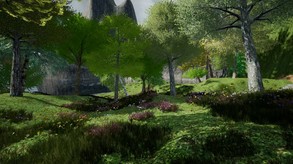
After a life full of regrets, awakening... A man looking for himself and his lost. What can you face most for the sake of your love?
Modeled estimate, not a reported figure. How we estimate →
Media

About
Stats
All-time low is the lowest price we've recorded for this game since we started tracking it.
Languages: English**languages with full audio support
Engagement
Reviews
something about playing this game makes me feel like im riddled with sin
Walking Simulator. Radši jděte ven.
This game is so cringe... level designs are terrible and everything looks like assets taken from different places. medieval town and npc wearing modern clothes? really? walk to the town is the most regretting thing i ever did...
Related
Related
Trends
Concurrent players on Steam, sampled daily since tracking started.
Hours played at review time, across 40 reviews with recorded playtime.
i dont get walk simulators. most boring genre
Relaxační hra s krásnou grafikou a zajímavým příběhem , pokud si chcete odpočinout od hektolitrů krve , střílení a řezání končetin tak tohle je hra přímo pro vás :) KOMPL.ETNÍ GAMEPLAY ZE HRY : https://www.youtube.com/watch?v=EPl_4At0xyQ + GRAFIKA + PŘÍBĚH + ZVUKOVÝ PODKLAD + PROSTŘEDÍ CELKOVÉ HODNOCENÍ : 70%
Tuhle hru jsem obdržel z nějakého balíčku a díky bohu za to. Je to odpad, u kterého se co chvíli ptáte, proč to vlastně hrajete. Velmi pomalu procházíte krajinou, která působí dojmem, že je pospojovaná a vlastně na sebe nijak nenavazuje. V každé z oblastí jsou navíc rozeseté různé předměty, osoby a další věci, u kterých to nedává vůbec smysl a ani tónem sem nepasují. Třeba na začátku procházíte jeskyní, před kterou spí příšera. Když vás chytne, je konec hry. Uvnitř jeskyně jsou také příšery, ale neškodné a vlastně to jsou zmenšené verze té před jeskyní. Poskakují tam kolem svítících hub. Jaký to má smysl? Netuším. Pak třeba narazíte na sloupy trčící z moře, kolem nichž jsou obmotáni draci. Hrdina prohlásí něco v tom smyslu, že dříve tyhle bytosti byly skutečné, ale že už to neplatí. Ok. A dál? Dál nic! Už se o tom nikdy více nezmíní, je to vlastně jen taková nic neříkající kulisa, bez které by hra byla tím samým odpadem! Hromada věcí navíc vypadá nekonzistentně, jako kdybyste vzali modely z různě starých her a s odlišnou mírou detailů, nasvícení a podobných prkotin a hodili to všechno sem jen tak halabala. Takže v lese třeba narazíte na dívku v potoku, které lze ukradnout šaty. Jen tak. Sranda. Pak opodál je démon, se kterým se dohodnete. A on vás pošle na poušť. Jen tak. Ve vesnici tančí na hudbu z rádia dvě dívky v moderních šatech, i přesto, že je tohle středověk. Je tu i odkaz na Ctuhlu. Taky jen tak. Jsou tu piráti. Pak nějaká příšera, kterou musíte omráčit, abyste mohli pokračovat v nepovinném úkolu. Je tu tajný level s krávami. A takhle bych mohl pokračovat dál a možná si i něco málo vymyslet a vy byste nerozeznali skutečnost od fikce. Příběh je taky něco extra. Hlavní hrdina v desítkách vět řekne to, co šlo shrnout v jedné. Co chvíli otvírá ústa a v nedokonalém překladu do angličtiny, kdy některá slovní spojení nedávají smysl (she was full of eyes - tohle se tu několikrát opakuje), tu popisuje, jak je zaláskovaný. Chápu, nejspíš jsme na tomhle místě každý někdy byli, ale tady je to až úmorné. Na konci svou lásku najde, jak si leží uprostřed zasněžené oblasti. Jen tak... A kolem ní je hromada vlků, kteří vyjí, protože prostě NIC TU NEDÁVÁ SMYSL. Ona sama se pak změní v monstrum, ale hlavní hrdina říká, že ji miluje. Dobře. Super. Tajný konec je pak solidně ujetý, musíte v základní hře posbírat deset jablek a v tomto druhém závěru jste svědky toho, jak hlavní hrdina, jeho milá a jejich dcera (hádám) tančí. O můj bože. Hra je navíc extrémně rozbitá. Pokud si ji uložíte, seberete předmět a poté vás třeba chytí nepřítel nebo nastane konec hry, tento předmět zde již není, ale vy ho nemáte u sebe. Pomáhá pouze restart celé hry. Taky se mi stalo, že jsem se dostal do tajného levelu s krávami, kde mě ale obklíčily a já se nemohl hnout z místa a ni z něj dostat. Načetl jsem hru uloženou před vstoupením na toto místo, ale už mě to tam nepustilo. Celý tenhle titul působí dojmem, že si někdo udělal krásné odpoledne, během maximálně tak hodinky si v klidu vytvořil nějakou krajinu s různorodým prostředím a bez jakékoliv logiky tam nacpal zakoupené assety z Unreal obchodu. Nekupujte, nehrajte a obloukem se tomuhle titulu vyhněte.
Suna is a deeply personal, small-scale narrative experience that leans heavily into atmosphere and introspection rather than traditional gameplay systems. Developed by Tolga Yurtsev and published by My Way Games, it positions itself within the walking simulator genre, but with an emphasis on emotional storytelling and symbolic imagery. From the outset, it’s clear that the game is less interested in mechanics or challenge and more focused on conveying a reflective journey centered on regret, loss, and the search for meaning. The structure is built almost entirely around exploration. Players move through a sequence of environments that range from grounded natural landscapes to more abstract, dreamlike spaces, each representing fragments of the protagonist’s inner world. Progression is linear, with the experience unfolding through narration, environmental cues, and occasional interactions. There are light puzzle elements scattered throughout, but they are minimal and often serve more as pacing tools than as meaningful gameplay challenges. The overall design encourages players to slow down, observe their surroundings, and absorb the tone rather than actively engage with complex systems. Where Suna finds some of its strength is in its atmosphere. The shifting environments create a sense of journey, not just physically but emotionally, as the game transitions between calm, reflective moments and more unsettling or surreal sequences. There is an underlying tension present in certain areas, hinting at darker themes beneath the surface, which adds a subtle layer of intrigue. The soundtrack and voice narration work together to reinforce this mood, occasionally creating moments where the game feels genuinely immersive and contemplative. When these elements align, the experience can feel quietly impactful, drawing the player into its introspective tone. However, much of the game’s effectiveness depends on how well the player connects with its storytelling, and this is where it becomes uneven. The narrative itself is relatively straightforward, focusing on personal regret and emotional reconciliation, but its delivery can feel inconsistent. The writing sometimes comes across as awkward or overly direct, and the phrasing can break immersion, especially during key emotional moments. While the voice acting attempts to carry the weight of the story, it cannot fully overcome these inconsistencies, which can make the experience feel less polished than its themes might suggest. From a gameplay standpoint, Suna is extremely limited. Interaction is minimal, and most of the experience consists of walking, listening, and occasionally triggering events. For players who enjoy narrative-driven games that prioritize mood over mechanics, this simplicity can be acceptable, even appealing. For others, it may feel lacking in substance, as there are few opportunities for meaningful engagement or variation. The puzzle elements that do exist are sparse and sometimes unclear, occasionally interrupting the flow rather than enhancing it. The presentation reflects the game’s indie scope. While the environments are varied in concept, they often feel constructed from basic assets, resulting in a visual style that lacks cohesion and detail. Some areas manage to create a strong sense of place, but others feel more artificial or underdeveloped. Technical issues, including occasional bugs or performance inconsistencies, further highlight the limitations of the production. These aspects don’t completely undermine the experience, but they do make it harder for the game’s emotional and atmospheric goals to fully resonate. There are small touches that add a bit of replay value, such as hidden collectibles that can lead to an alternate ending. These elements encourage exploration and give attentive players something extra to discover, but they don’t significantly expand the overall experience. Suna remains a relatively short journey that can be completed in a single sitting, reinforcing its identity as a compact, self-contained narrative rather than a deeply layered adventure. In the end, Suna feels like a sincere but uneven attempt to create a reflective, emotionally driven experience. It succeeds in moments, particularly when its atmosphere, music, and thematic intentions come together, offering glimpses of something more impactful. At the same time, its limited interactivity, inconsistent writing, and technical roughness prevent it from reaching a higher level of cohesion. It is best approached as a brief, experimental narrative piece—one that may resonate with players who appreciate introspective storytelling, but that struggles to leave a lasting impression beyond its quieter moments. Rating: 6/10
Basically a walking simulator where you look at (what feels like) downloadable models taken from a game engine. On the plus side, its strange story and world were very interesting. Even months after playing it, I can't shake off the story, probably because it was so unique.
I enjoyed this for some reason.
Audience
Estimated from the language of this game's reviews — a proxy for where players are, not official Steam demographics.
Related
| Cleansuit | $3.3K | 55 | 96% | $3.99 |
| Bleep Bloop | $3.3K | 60 | 88% | $3.99 |
| Animals Memory: Dinosaurs | $3.3K | 55 | 82% | $3.99 |
| Tiles | $3.3K | 55 | 82% | $3.99 |
| Burgle Bros. | $3.3K | 55 | 84% | $3.99 |
| Love, Death & Veggies | $3.3K | 71 | 90% | $3.35 |