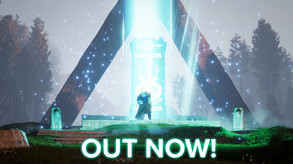
Behind you lies a trail of broken helms, shattered shields. You hold the axe of a fallen foe. Worn and dented, it will suit it's purpose. What lies ahead is still a mystery. Your goal is not.
Modeled estimate, not a reported figure. How we estimate →
Prices
The United States storefront in every case, so this compares stores and not countries.
About
Genres
Stats
All-time low is the lowest price we've recorded for this game since we started tracking it.
Languages: English, Russian, French, German, Portuguese - Brazil, Simplified Chinese, Turkish, Spanish - Latin America
Add-ons
Each DLC is estimated with the same model as a game, then summed — a modeled figure, not reported DLC sales.
Sums Steam only; Xbox publishes no volume signal, so the true total is higher by an unknown amount.
| Store | Price | Audience | Score | Chart | Est. revenue |
|---|---|---|---|---|---|
SteamYou are here | $19.99 | 495reviews | 71% | — | $171.4K |
| $19.99 | 241ratings | 78% | — | not modelled |
Matched by title — a reused name can pair the wrong games. * is a critic aggregate. Prices and positions are each store's United States storefront; Epic charts worldwide. Audience and Score too, except Steam's, which is worldwide.
Engagement
Reviews
Themes across 40 recent reviews and how positive each mention is. A keyword signal, not full sentiment analysis.
Reviews
Сначала ты просто ссышься кипятком от атмосферы в игре, от разнообразия приемов, от лора игры, от гоблинов и пещерных троллей, от тумана и леса. Какие то тени таинственные, колышатся деревья. Чуваки с факелами. Думаешь - ну ничего себе! Но потом игровая логика начинает выходить нах@#й на перекур и появляться только изредка... В процессе выясняется, что как бы и приемы все эти нах#@й не нужны. Перекат-удар, перекат-удар или в большинстве ситуаций тупо мышкой толпу врагов закликать. И готово! Некоторые моменты в прохождении настолько нелогичные и сделанные на коленке, что приходится заходить на ютбчик смотреть как другие проходят игру методом тыка и мата. Постоянные баги, из за которых нужно опять загружать чекпоинт. Система способностей, которые игрок приобретает, собирая в игре доспехи бога Тора тоже своеобразная. Нужны способности изредка, но потом про них вообще забываешь. Ну или вспоминаешь про них, когда надо тупо затыкать мышкой толпу врагов. Только в конце игры (в конце игры ♥♥♥#@ть, Карл!!!!) я допер, что чекпоинты это нифига не чекпоинты, а автоматы для зарядки маны! Да я под конец игры только понял, что вообще какая то манна есть и что она кончается! Есть душные боссы, но они перестают быть душными, если тупо их расстреливать из лука. Если стрел в колчане нет, то су#@ка готовь лубрикант. Секс будет долгим и неприятным. Есть подозрение, что боевка в игре вообще не продуманна, поэтому секс будет, скорее всего, еще и бесконечным. Сюжет в кратце. Это шедевр! Враги сожгли родную хату. Ты бежишь и мстишь всем налево и направо! По соплям получают все - и какие то чуваки, и тролли, и гоблины, и какие то муд#@ки, состоящие из лавы и коньюктивита и один медведь(единственный адекватный перс в игре). Ты собираешь и активируешь какую-то ху#@ню, чтобы порадовать бога Тора. Потом на тебя нападает никому невср#@тый дракон и начинает тебя преследовать. Потом дракон врезается еб#@лом в СИЛОВОЙ ЩИТ и ты попадаешь на ИМПЕРСИКИЙ КРЕЙСЕР со штурмовиками внутри! Оказывается Тор это оху#@евший инопланетянин, который всех подряд клонирует, живет на имперской базе, постоянно выеб#@вается и отбирает супер бойцов ДЛЯ ИМПЕРИИ! Игра гов#@на короче, которая производит хорошие впечатления только первые двадцать минут. Ну и все силы разраба ушли на музыкальное сопровождение, которое очень неплохое и на эпичный логотип игры!
Media

Related
Related
Price dynamics, follower growth, revenue and sales trajectories with interactive tooltips
This and every other Pro feature is free until October 20, 2026. A free account is all it takes.
Hours played at review time, across 40 reviews with recorded playtime.
positive critical· bar length = how often the theme comes up
Song of Iron, developed and published by Resting Relic, is a visually arresting side-scrolling action adventure that wears its atmosphere like armor. It opens with a moment of raw tragedy—a village reduced to ruin, a warrior burdened with loss, and a relic carried in trembling hands toward the gods. What follows is a journey soaked in vengeance, myth, and melancholy, set in a world inspired by Norse mythology and ancient warrior legend. The story unfolds without exposition or dialogue-heavy storytelling, relying instead on the movement of the camera, the rhythm of the gameplay, and the expressive use of light and shadow to draw the player into its somber world. It’s a tale told more through tone and texture than words, a world that feels both timeless and fragile, and that restraint gives it a haunting sense of weight and mystery. The gameplay in Song of Iron blends exploration, combat, and light platforming into a cohesive but challenging rhythm. You play as a lone warrior armed with axe, sword, bow, and shield, cutting a path through enemies that range from human raiders to shadowy beasts and supernatural entities. The mechanics are intentionally simple, emphasizing timing, stamina management, and positioning over complexity. The combat is heavy and deliberate—each swing of an axe feels substantial, every parry or dodge critical. Shields splinter, weapons clatter to the ground, and you are left scrambling to survive. There’s a satisfying sense of vulnerability that runs throughout the experience; the game never lets you forget that you’re just one mortal pushing against impossible odds. At the same time, occasional environmental puzzles and traversal segments punctuate the action, offering moments of quiet exploration between the bouts of desperate combat. Where Song of Iron truly stands out is in its presentation. The game’s world feels alive with elemental detail—embers drift through the air, mist curls across frozen forests, and distant mountains loom under storm-laden skies. The lighting, in particular, is striking; shafts of sunlight pierce through dense canopies, illuminating the battlefield in fleeting warmth before fading back into darkness. The art direction leans on minimalism, but every scene feels purposeful, crafted to evoke the loneliness and majesty of a mythic landscape. The soundtrack enhances this sense of immersion with a mix of atmospheric ambient tones and mournful melodies that echo the hero’s solitude. The sound design reinforces the brutality of each strike and the stillness between encounters, balancing the physicality of combat with the quiet desolation of the journey. However, beneath its beauty lies a foundation that sometimes struggles with refinement. The combat, while evocative, can feel clunky during crowded encounters or when the game’s physics react unpredictably. The stamina-based system, though intended to encourage tactical play, occasionally slows the action to a crawl, leaving players fighting against both their enemies and the controls. Some platforming sections lack precision, and environmental hazards can feel inconsistent in their execution. The brevity of the experience is another notable limitation. The game can be completed in just a few hours, and though it leaves a strong impression, it also leaves behind the sense that it could have done more with its ideas. The narrative, too, suffers slightly from its minimalism. The silence and ambiguity that lend the game its atmosphere can also make its story feel underdeveloped, especially when the ending arrives with little resolution beyond thematic symbolism. Despite its flaws, Song of Iron’s ambition is undeniable. It’s the kind of project that thrives on vision rather than scale, using its limitations to deliver an experience that feels personal rather than manufactured. It channels the spirit of myth not through lore-heavy storytelling but through the emotional language of struggle and perseverance. Each level feels like a pilgrimage, a physical embodiment of grief and determination. The protagonist’s silence becomes part of the story—his exhaustion, his rage, his fleeting glimpses of the divine all expressed through motion and momentum. There’s a cinematic quality to the game’s pacing and direction that reveals the developer’s passion for storytelling through visuals rather than exposition. Even when its mechanics falter, its heart remains visible in every frame. Song of Iron’s greatest achievement is how it conveys scale and grandeur with minimal resources. It feels intimate yet vast, like a single myth carved from stone and told in whispers. The use of lighting and weather effects transforms its world into a canvas of emotion, where fire, fog, and snow become metaphors for struggle and endurance. It’s easy to forget that this is largely the work of a single developer; the craftsmanship and ambition on display rival that of much larger studios. And while its flaws keep it from reaching its full potential, its sense of identity and purpose elevate it beyond the ordinary. The game’s closing moments, as the hero faces both gods and fate, feel earned—a conclusion that resonates with the same quiet power that defines the entire experience. Ultimately, Song of Iron is a work of passion and atmosphere, a small game that dares to tell a big story through silence, imagery, and the slow grind of survival. It’s not a polished or expansive epic, but rather an evocative glimpse into a mythic world where beauty and brutality coexist. Its flaws—short length, uneven combat, and sparse narrative—are outweighed by its sincerity and artistry. For players who appreciate moody, cinematic adventures that prioritize tone and emotion over mechanical complexity, Song of Iron offers a journey worth taking. It’s a dark, intimate odyssey that lingers not because of its scale or depth, but because of how deeply it believes in its own myth. Rating: 7/10
Que jogo meus amigos, game play sensacional, trilha sonora impecável, história muito boa e que te prende ao ponto de você querer saber até onde o final vai... Mas o melhor de tudo foi ter ganho esse jogo da minha princesa, MAIZA, que me apresentou esse jogo nórdico que até agora estou sem palavras, ela sabe como me agradar em todos os detalhes! <33 Os desenvolvedores mandaram bem demais, nota 10.
Pegaram GoW 2018, Vikings, Star Wars e uma pitada de O Senhor dos Anéis (quem pegar a referência durante a gameplay vai entender) bateram tudo no liquidificador e saiu esse jogo!
Good fun short game! Good visuals. Good sound and music effects. Clunky combat system, charge attacks are close to useless as enemies will for sure hit you. Rolling sometimes puts you in dangerous spots or far away from enemies to attack instantly, making you waste time and stamina. Would make it a little bit better if you could modify the input for controller A game that does deserve its chance. Good and enjoyable.
If you like games like Limbo or Little Nightmare, and some nordic viking stuff, give this a try. really enjoyed it tll the end. Hope for the sequel...
it was fun wish it was longer cant wait for the second one
Fantastic game! I have been wanting to play it for a long time and am happy I finally did. Its short, but as soon as I finished it, I started my New Game+. I just wish I could start over with Thor's Hammer.
[h1]Eram os Deuses Escravagistas[/h1] [b]Observações:[/b] [i] - Visual deslumbrante e direção de arte muito inspirada; - Atmosfera cinematográfica com excelente uso de câmera; - Combate simplório e pouco desafiador; - Jogabilidade truncada em muitos momentos (pulo especialmente ruim); - É possível ignorar a maioria das batalhas, reduzindo o engajamento; - Carregamentos longos demais após cada morte; - Problemas pontuais de bugs e responsividade dos controles; - Interações e animações que não consideram ações rápidas do jogador; - Progressão extremamente linear, com pouquíssimos incentivos; - História simples, mas pouco desenvolvida; - Duração bem curta; - Um potencial a ser explorado em continuações; - Possui Legendas em PT-BR (mal polidas).[/i] Eu já experimentei vários jogos feitos por uma única pessoa ou por pequenos grupos - experiências fascinantes justamente por carregarem, ao mesmo tempo, fragilidade e ambição. É sempre árduo equilibrar empatia e imparcialidade: às vezes recomendei jogos repletos de [i]bugs[/i] porque eram simplesmente divertidos (que sabemos ser subjetivo, mas que inerentemente nos acompanham enquanto sensação); outras vezes deixei de recomendar títulos tecnicamente competentes, mas maçantes. Falar de jogos independentes é, na maioria das vezes, falar de sonhos e paixão - sendo frustrante e até mesmo triste quando, ao finalizar uma aventura, sinto que não posso recomendá-lo com tranquilidade. Com este título, esse sentimento infelizmente se faz presente. Há potencial, visão e esforço - mas, para mim, a experiência não se sustenta. Vou explicar o porquê, e por que mesmo assim sigo curioso para jogar sua continuação, na expectativa de testemunhar evolução. [h2]Quando o Desejo é Maior do que o Escopo[/h2] [b]Song of Iron[/b] é um jogo de rolagem lateral criado por [i]Joe Winter[/i], ex-343 Industries. O que começou como [i]hobby[/i] se tornou trabalho integral. O autor descreve o projeto como algo “nos passos de [i]Limbo[/i] e [i]Inside[/i], mas com um combate visceral - um tipo de "John Wick Viking”. É inegável: [b]Song of Iron[/b] é esteticamente deslumbrante. O olhar experiente de [i]Joe[/i] na indústria transparece em cada cena. A composição visual é forte, a atmosfera é envolvente e o posicionamento de câmera é cinematográfico - onde tudo parece convidar-nos a uma jornada épica, íntima e mitológica de vingança e descoberta de uma realidade além da compreensão humana. É, facilmente, um dos jogos laterais mais belos que já joguei. Mas, apesar desse brilho, o projeto claramente pediu mais do que seu escopo permitia. A soma de problemas técnicos, decisões de [i]design[/i] pouco resolvidas e falta de polimento torna impossível ignorar o quanto um ciclo extra de revisão poderia ter fortalecido a experiência. Fechei com 100% em cerca de 11 horas - muito mais do que o necessário por culpa do pulo, um dos maiores obstáculos do jogo. [h2]Expectativas vs Realidade[/h2] Embora tenhamos uma atmosfera contemplativa, ritmo controlado, narrativa ambiental clara e algum esboço de quebra-cabeças, tudo aqui consegue ser muito distante de [i]Limbo[/i] ou [i]Inside[/i]. O jogo inicia com uma contextualização que dá motivação ao personagem e depois praticamente abandona qualquer densidade. A atmosfera existe, a narrativa evolui para um [i]plot twist[/i] muito interessante, mas que infelizmente não sustenta a jornada. Ambos jogos referenciados funcionam tão bem porque possuem poucas mecânicas, porém [b]extremamente polidas[/b], aplicadas de forma consistente durante todo o jogo. Já [i]Song of Iron[/i] tenta conciliar muito em pouco tempo: plataforma cinematográfica, combate e magias, sistema de [i]stamina[/i], [i]stealth[/i] ... tudo sem profundidade ou polimento suficientes para que a experiência seja marcante. Os quebra-cabeças são simplesmente irrelevantes do ponto de vista do desafio, justamente o elemento central dos jogos da [i]Playdead[/i]. O resultado é uma aventura que oscila entre duas identidades, sem abraçar totalmente nenhuma delas - onde essa indecisão de identidade fica ainda mais evidente quando o jogo tenta entregar o que seria seu grande diferencial: o combate. [h2]O Peso da Lâmina Que Nunca Vem[/h2] Enquanto conceito, a abordagem de um "John Wick Viking" é excelente. Porém a execução sofre por conta de seu [i]design[/i], impedindo que essa promessa brilhe. Sim, você poderá executar um ataque simples, proteger-se com escudo (que quebra ao longo das batalhas), desviar de inimigos com a rolagem, arremessar armas, utilizar arco e flechas (limitadas) além de utilizar magias (habilidades pontuais necessárias para avançar em determinados momentos), mas ... basicamente você lutará da mesma forma do início ao fim, sem densidade ou estratégia almejadas (como nos excelentes [b]Dust: An Elysian Tail[/b] ou [b]Unworhy[/b] - este que vez ou outra cito; também desenvolvido por uma só pessoa). Também há falta de peso e feedback sólidos nas ações - abater inimigos com espada ou machado será indiferente. Aliado a isso, não há risco real de morte (exceto por ações como cair em um buraco ou ser atravessado por espinhos ou quaisquer outras armadilhas) em combate. Sua vida se regenerará sozinha ao ficar parado e haverão [i]checkpoints[/i] frequentes. Simplesmente não achei necessário dominar qualquer mecânica de combate. Temos também inconsistências que minam a fantasia proposta de um "combate ágil e preciso". O personagem simplesmente para de responder, os [i]inputs[/i] de combate e esquiva por vezes falham, as animações possuem atrasos, as colisões podem ser inconsistentes e os inimigos às vezes ignoram a regras do próprio [i]design[/i] - destruindo tanto a experiência cinemática quanto a de ação. Os inimigos são sempre os mesmos e possuem uma AI mínima. Se o combate fosse intenso ou requisitasse sua precisão, estratégia e destreza mecânica, talvez houvesse maior diversão. Mas todos possuem padrões previsíveis, são lentos, morrem rápido e o pior: podem ser ignorados completamente (transformando o jogo em um corredor - justamente o que fiz para conquistar o troféu de finalizar o jogo sem morrer, onde o pulo foi meu pior inimigo). Os chefes são genéricos, mantém a ausência de padrões complexos e não te recompensam o suficiente para serem memoráveis - sendo inimigos que caem com a mesma simplicidade dos demais. Ou seja: você não é minimamente punido ao morrer, tampouco recompensado ao vencer. Com quebra-cabeças genéricos e um combate pouco satisfatório (e opcionalmente irrelevante), numa jornada curta e sem incentivos reais para engajar, o que sobra é um caminhar raso sempre para frente, onde o brilho fica apenas nos visuais. [h2]Falta de Fé em Odin[/h2] A falta de polimento é o maior inimigo do jogo - algo surpreendente, considerando a experiência profissional do autor. Um período de acesso antecipado teria ajudado imensamente a ajustar bugs, equilibrar sistemas e validar o escopo. Essa falta de refinamento aparece em todo canto: – [i]Loadings[/i] longos entre mortes; – Interface genérica, destoando da bela identidade visual; – Ausência de opções de qualidade de vida; – [i]Bugs[/i] e colisões quebradas; – Tábuas de mana que… não recarregam mana. E os problemas mais graves surgem quando o jogo tenta ser cinematográfico: morrer durante animações ou diálogos, animações sobrepostas (como o dragão duplicado) e, claro, o pulo - atrasado, inconsistente e pouco confiável. [h2]Resumindo:[/h2] É inspirador ver um artista solo criar um mundo tão bonito quanto [b]Song of Iron[/b]. Mas jogos precisam de mais do que beleza: precisam responder, envolver, fluir. É justamente aí que ele tropeça. O resultado é uma aventura visualmente marcante, porém mecanicamente instável e narrativamente rasa. Ainda assim, não é um fracasso: é um primeiro passo. Um passo que me deixa curioso para ver até onde seu criador pode chegar na continuação - torcendo para que esta encontre o equilíbrio entre tempo, escopo e maturidade técnica.
Controls leave allot to be desired.
Players by region
Where this game's players are, estimated from review languages.
Related
| Game | Estimated lifetime revenue | Reviews | Review score | Price |
|---|---|---|---|---|
| — | 0 | — | — | |
| $16.9K | 140 | 72% | $9.99 | |
| $1.2K | 10 | 90% | $5.99 | |
| $6.5K | 144 | 74% | $2.39 | |
| $4.5K | 65 | 71% | $2.49 | |
| $4.1K | 9 | 100% | $19.99 |
Related
| Game | Estimated lifetime revenue | Reviews | Review score | Price |
|---|---|---|---|---|
| $171.4K | 179 | 59% | $24.99 | |
| $171.5K | 1.2K | 91% | $7.49 | |
| $171.2K | 577 | 89% | $14.99 | |
| $171.6K | 207 | 92% | $59.99 | |
| $171.2K | 1.8K | 43% | $2.99 | |
| $171.1K | 320 | 74% | $24.99 |