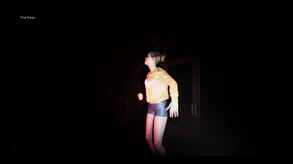
Developed and published by Vania Studios, Six nights to die is a first-person psychological horror experience that takes a relatively simple concept and builds an atmosphere of tension, mystery, and unease around it. Instead of placing players in a traditional horror setting filled with obvious dangers, the game chooses a far more ordinary backdrop: a neighborhood bar. Through a combination of daily work routines, supernatural events, environmental storytelling, and gradual narrative escalation, the game transforms this familiar location into a place where every shift feels increasingly dangerous and unpredictable.
The story centers on Karen, a young bartender whose life takes a disturbing turn after her employer, Joss, returns from a trip to South America. What initially appears to be an ordinary workplace soon becomes the source of strange and unsettling occurrences. Unexplained events begin disrupting daily operations, forcing Karen to investigate what is happening while continuing to perform her responsibilities behind the bar. This dual role as both employee and investigator creates a compelling framework for the narrative and helps distinguish the game from more conventional horror titles.
One of the strongest elements of Six nights to die is its ability to build suspense from routine activities. Much of the experience involves carrying out tasks associated with managing and operating the bar. Players serve customers, move around the establishment, and become familiar with the environment through repeated interactions. This gradual introduction to the setting is important because it establishes a sense of normalcy before the horror elements begin to intensify. The more comfortable players become with their surroundings, the more effective the later disruptions feel.
The game's pacing is deliberately measured. Rather than overwhelming players with constant scares, it allows tension to accumulate over time. Small incidents often precede larger revelations, and the uncertainty surrounding each event keeps players alert. The horror emerges from anticipation as much as from direct encounters. Players frequently find themselves questioning whether something unusual truly occurred or whether their imagination is amplifying ordinary details. This psychological approach helps create a lingering sense of discomfort that remains effective throughout the experience.
Investigation serves as a major gameplay component. As increasingly bizarre incidents unfold, players are encouraged to search for clues and piece together the truth behind the strange happenings affecting the bar. Information is revealed gradually, rewarding attentive exploration and observation. The narrative avoids excessive exposition, instead allowing players to uncover details naturally through environmental storytelling and interactive discovery. This approach helps maintain mystery and keeps curiosity driving the experience forward.
The setting itself contributes significantly to the game's effectiveness. Horror often works best when it invades familiar environments, and Six nights to die understands this principle well. The bar initially feels like a realistic workplace, complete with everyday responsibilities and recognizable routines. As supernatural influences begin to manifest, the contrast between normality and horror becomes increasingly unsettling. Ordinary locations suddenly feel threatening, and familiar spaces become sources of anxiety.
Visual presentation plays an important role in supporting the atmosphere. The game's realistic environments help ground the experience, making the supernatural elements feel more impactful when they appear. Careful use of lighting, shadows, and environmental details contributes to a growing sense of unease. Dark corners, empty hallways, and subtle visual changes often prove more effective than overt horror imagery because they encourage players to imagine what might be lurking beyond sight.
Sound design is arguably one of the most important tools in the game's arsenal. Ambient noises, distant sounds, and unexpected audio cues constantly keep players on edge. Silence is used strategically, creating moments where tension builds naturally before being interrupted by something unexpected. The audio landscape transforms even simple exploration into a nerve-wracking experience, reinforcing the game's psychological horror focus.
Karen functions as an effective protagonist because she feels believable and relatable. She is not a combat-trained survivor or supernatural expert. Instead, she is an ordinary person trying to understand increasingly impossible circumstances. This grounded perspective helps strengthen immersion because players experience confusion, fear, and curiosity alongside the protagonist rather than observing events from a detached position.
The game's relatively short runtime works to its advantage. By focusing on a concise narrative, Six nights to die avoids unnecessary padding and maintains a steady pace throughout. Each night introduces new developments that move the story forward while deepening the mystery. The compact structure ensures that tension remains consistent and that the central premise never loses momentum.
One of the more interesting aspects of the game is its blend of workplace simulation and horror storytelling. Performing regular duties while remaining alert for signs of supernatural activity creates a unique gameplay rhythm. The contrast between mundane responsibilities and terrifying discoveries reinforces the feeling that horror has invaded everyday life rather than existing separately from it.
The game is not without shortcomings. Players seeking extensive gameplay systems, complex puzzles, or action-oriented horror may find the experience somewhat limited. Its emphasis remains firmly on atmosphere, storytelling, and psychological tension rather than mechanical complexity. Additionally, the relatively brief length means that some narrative elements may feel underexplored by the time the story concludes.
Despite these limitations, Six nights to die succeeds because it understands how to create suspense through familiarity and uncertainty. The game rarely relies on excessive spectacle, choosing instead to focus on mood, mystery, and gradual escalation. Its strongest moments emerge from the growing realization that something is fundamentally wrong in a place that should feel safe and ordinary.
Through its effective atmosphere, engaging premise, investigative structure, and psychological horror design, Six nights to die delivers a focused and memorable experience. It demonstrates that compelling horror does not require massive environments or constant threats. Sometimes the most unsettling stories emerge from everyday places where the impossible slowly begins to seep into reality. For players who appreciate slow-burning suspense and mystery-driven horror, the game offers an entertaining and atmospheric journey that remains engaging from beginning to end.
Rating: 7/10