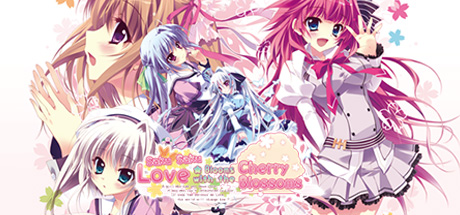
A girl who cannot fall in love. A boy who has no interest in love. If they were to fall in love with each other, how would the world change? From Palette, developers of "Mashiro Iro Symphony", comes the romantic school comedy, "Saku Saku: Love Blooms with the Cherry Blossoms."
Modeled estimate, not a reported figure. How we estimate →
Media

About
Genres
Stats
All-time low is the lowest price we've recorded for this game since we started tracking it.
Languages: English
Engagement
Hours played at review time, across 41 reviews with recorded playtime.
Reviews
Themes across 41 recent reviews and how positive each mention is. A keyword signal, not full sentiment analysis.
positive critical· bar length = how often the theme comes up
Reviews
没有错过这部gal真是太好了
you can bang your sister and a little kid
la historia estuvo muy buena, en especial la ruta de Yuri, para mi fue la mejor, por otro lado la ruta de mio pudo ser mejor, estuve apunto de abandonar el juego por esa ruta, en realidad me aburrio mucho, me salte varios diálogos y no me perdí en la historia, en esa ruta la historia no iba a ningún lado y su desenlose fue muy regular por otro lado, las demas rutas fueron muy buenas (Yuri sin duda la mejor waifu del juego), lo cual hace que halla valido la pena jugar esta vn, los personajes secundarios pueden parecer genericos pero tienen su trasfondo
Saku Saku: Love Blooms with the Cherry Blossoms, developed by PALETTE and published internationally by Sekai Project, is a romantic slice-of-life visual novel that captures the fleeting warmth, awkwardness, and emotional uncertainty of young love. Set against a soft springtime backdrop filled with cherry blossoms and schoolyard routines, the game embraces familiar genre tropes while grounding them in character-focused storytelling that emphasizes emotional growth over melodrama. It is a title that understands the appeal of everyday moments and allows relationships to develop gradually, making it especially resonant for fans of slower, character-driven romance narratives. The story follows Yuma Asaba, a high school student who has earned a reputation as an advisor for others’ romantic problems despite feeling largely disconnected from love himself. This contradiction forms the thematic core of the narrative, as Yuma’s emotional detachment is challenged through a series of encounters that push him to reflect on his own feelings. A playful but unusual premise—an in-school bounty placed on making him fall in love—sets the story in motion, immediately establishing a tone that blends lighthearted comedy with introspective undertones. The arrival of a mysterious girl claiming to be a love fairy further nudges the narrative into a whimsical space without abandoning its grounded emotional focus. Like many traditional visual novels, gameplay revolves primarily around reading dialogue and narration, punctuated by occasional choices that branch the story into different character routes. These decisions guide the player toward one of several heroines, each offering a distinct romantic arc with its own emotional themes and pacing. Rather than relying on dramatic plot twists, the game builds intimacy through shared experiences, conversations, and small moments of vulnerability. This structure encourages replayability, as each route reveals different facets of Yuma’s personality and explores alternative perspectives on love and personal connection. Character writing is one of Saku Saku’s strongest elements. The heroines are written with clear personalities and believable emotional motivations, avoiding extremes that might make them feel one-note. Interactions between characters often feel natural, supported by dialogue that balances humor with sincerity. While the writing occasionally indulges in genre clichés, it generally uses them as a foundation rather than a crutch, allowing character development to remain the focal point. The emotional payoff of each route comes not from grand declarations, but from subtle changes in how characters relate to one another over time. Visually, the game delivers a polished and expressive presentation. Character sprites are detailed and animated with small movements that add life to conversations, while background art captures the gentle atmosphere of a school year unfolding beneath blooming cherry trees. The art direction reinforces the game’s themes, using soft colors and seasonal imagery to evoke nostalgia and emotional warmth. This visual cohesion helps maintain immersion throughout long reading sessions, even when scenes shift between comedic banter and more reflective moments. The soundtrack complements the experience with calm, melodic tracks that underscore both everyday scenes and emotional climaxes. While the music is pleasant and well-suited to the tone, its limited variety can become noticeable over extended playtime. Still, it serves its purpose by maintaining a consistent mood rather than drawing attention to itself. Full Japanese voice acting for the main cast adds another layer of expressiveness, enhancing character interactions and making emotional beats land more effectively, even for players unfamiliar with the original language. Pacing is deliberately measured, which may divide player opinion. Saku Saku takes its time establishing relationships and everyday routines before fully committing to romantic development. For some, this slow burn enhances immersion and emotional credibility; for others, it can feel meandering, especially during common routes before branching occurs. However, this approach aligns with the game’s thematic focus on gradual emotional change rather than sudden revelations. In terms of accessibility, the game remains firmly rooted in the conventions of visual novels. There are no complex systems or gameplay mechanics beyond dialogue choices, making it approachable for newcomers but potentially limiting for players seeking interactivity beyond narrative control. The overarching plot exists primarily to frame the individual romance routes, prioritizing personal stories over a tightly woven central mystery or conflict. Ultimately, Saku Saku: Love Blooms with the Cherry Blossoms succeeds by embracing sincerity. It does not aim to subvert the genre or reinvent its foundations, but instead refines them through strong character writing, expressive presentation, and an emphasis on emotional authenticity. For fans of romantic visual novels—particularly those who enjoy school settings, gentle humor, and slow-building relationships—it offers a rewarding and heartfelt experience that lingers not because of spectacle, but because of the quiet emotional moments it allows to bloom. Rating: 8/10
This visual novel is pretty BORING, It felt like nothing was really happening in all the routes and the drama was just kinda stupid. Yuri was pretty cute but that was about it LOL
玩着睡觉,补个票,游戏没有中文
[h1] 私宅的最终幻想! [/h1] 本作的女主角很符合我的xp 不仅是爱撒娇的妹妹 还有傲娇学姐 羞涩风纪委员 青梅竹马 贫乳萝莉[spoiler] 没把保健室的sensei做成可攻略对象有点遗憾的说 [/spoiler] 如果你厌倦了那些恋爱悲剧请一定要来试试这部作品真的是[h3] 太幸福啦! [/h3]
剧情有点无聊,其实可以推完学姐和缇娜线就可以了,其余几个看xp来
Te amo Ann, eres de lo mejor que me ha pasado en esta fokin vida
离别什么的,才不要。时光流转,愿你与珍爱之人再次相遇.......
Related
Related
Trends
Modeled estimate over time, reconstructed from Steam's monthly review histogram.
Audience
Estimated from the language of this game's reviews — a proxy for where players are, not official Steam demographics.
Related
| Edge of Sanity | $98.4K | 192 | 69% | $9.99 |
| Venture to the Vile | $98.5K | 182 | 76% | $24.99 |
| OH DEMON! Fix my TV | $98.4K | 480 | 88% | $9.99 |
| Rosenkreuzstilette | $98.5K | 439 | 79% | $9.99 |
| Huuma Mina: The Secret of Immortality | $98.4K | 373 | 90% | $5.24 |
| Sugar * Style | $98.5K | 249 | 95% | $29.99 |