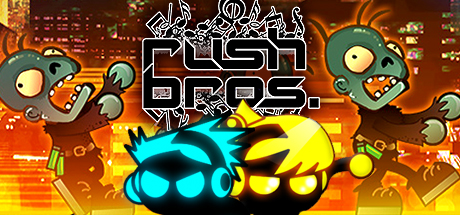
Rush Bros. “Discover gameplay with custom music” Rush Bros is a music reactive Platform Racing Game that features a single player and a competitive multiplayer either split-screen local or online between two simultaneous racers.
Modeled estimate, not a reported figure. How we estimate →
About
Genres
Stats
All-time low is the lowest price we've recorded for this game since we started tracking it.
Engagement
Reviews
Themes across 41 recent reviews and how positive each mention is. A keyword signal, not full sentiment analysis.
Reviews
wtf is this: "This review has been banned by a Steam moderator for violating the Steam Terms of Service. It cannot be modified by the reviewer." https://steamcommunity.com/id/3ICEhu/recommended/234490/
Перед самым началом игра рекомендует подключить геймпад. Я пробовал два разных (X360 и Logitech F310) оба работают в меню, но абсолютно бесполезны в процессе игры. На клавиатуре неиграбельно. 2/10
2d arcade platform oyunu çok kötü
Media

Related
Related
Price dynamics, follower growth, revenue and sales trajectories with interactive tooltips
This and every other Pro feature is free until October 20, 2026. A free account is all it takes.
Languages: English*, German, French, Italian, Spanish - Spain, Russian, Portuguese - Portugal, Hungarian, Turkish, Finnish, Czech, Portuguese - Brazil*languages with full audio support
Hours played at review time, across 41 reviews with recorded playtime.
positive critical· bar length = how often the theme comes up
Terrible plat-former game. It so constantly fails at doing anything good it's quite a feat. This game has basically 3 main selling points: speed challenge, precision plat-forming and music. For all 3, the game has problem making playing it an annoying experience and there are better games to play instead. Speed challenge pros: - There is a ghost. Speed challenge cons: - You walk slowly so you have to constantly dash, - Restarting a level takes 5 seconds, - Best time is not properly registered, - The levels have cycles so going faster at the beginning may slow you down after as you will have to wait for the cycle after, - Character acceleration is weird, - The level design is made to slow you down with useless block in the middle of jumps. Precision plat-former cons: - No leeway for jumping in the air, usually in this kind of games if you jump just after leaving a plat-form you can still jump, not here, - Jumping feels weird, there are various degree of jump but it's unclear why you get a specific degree, - Force fields and other in-level elements have no clear feedback, you don't feel the force field pushing you so it's just annoying, - Hitboxes for traps like spikes is just a square that fully include the trap instead of more precise hitboxes. Music cons: - The music of the menu and the first levels were so bland yet repetitive and annoying I had to mute the music because I couldn't take it any more. General cons: - Graphically, the game is not pretty, not absolutely terrible either, there was work done but it's still more on the ugly side. - The interface is a mess and I'm not sure it can actually be controlled fully with a controller, at some point I had to switch to my mouse to do what I wanted. I would recommend you to play Super Meat Boy or Electronic Super Joy instead of this game.
Possibly the worst 2D platformer I've ever played. The ugly little sprites slide around like they've stepped on a lake of frozen todd, the backgrounds are ♥♥♥♥♥♥♥ hideous and the soundtrack is worse than the techno I vomited out on Music 2000 for PS1. The only reason my playtime is so long is because I left it running in the background until the trading cards dropped. I must have got this turd in a humble bundle or something.
Парни выручайте, не хватает 7000 очков для профиля Dying Light, закидайте наградами пожалуйста.
💋
⣿⣿⣿⣿⣿⣿⣿⣿⡿⠿⠛⠛⠛⠋⠉⠈⠉⠉⠉⠉⠛⠻⢿⣿⣿⣿⣿⣿⣿⣿ ⣿⣿⣿⣿⣿⡿⠋⠁⠀⠀⠀⠀⠀⠀⠀⠀⠀⠀⠀⠀⠀⠀⠉⠛⢿⣿⣿⣿⣿ ⣿⣿⣿⣿⡏⣀⠀⠀⠀⠀⠀⠀⣀⣤⣤⣤⣄⡀⠀⠀⠀⠀⠀⠀⠙⢿⣿⣿ ⣿⣿⣿⢏⣴⣿⣷⠀⠀⠀⠀⠀⢾⣿⣿⣿⣿⣿⣿⡆⠀⠀⠀⠀⠀⠀⠈⣿⣿ ⣿⣿⣟⣾⣿⡟⠁⠀⠀⠀⠀⠀⢀⣾⣿⣿⣿⣿⣿⣷⢢⠀⠀⠀⠀⠀⠀⢸⣿ ⣿⣿⣿⣿⣟⠀⡴⠄⠀⠀⠀⠀⠀⠀⠙⠻⣿⣿⣿⣿⣷⣄⠀⠀⠀⠀⠀⠀⠀⣿ ⣿⣿⣿⠟⠻⠀⠀⠀⠀⠀⠀⠀⠀⠀⠀⠶⢴⣿⣿⣿⣿⣿⣧⠀⠀⠀⠀⠀⠀⣿ ⣿⣁⡀⠀⠀⢰⢠⣦⠀⠀⠀⠀⠀⠀⠀⠀⢀⣼⣿⣿⣿⣿⣿⡄⠀⣴⣶⣿⡄⣿ ⣿⡋⠀⠀⠀⠎⢸⣿⡆⠀⠀⠀⠀⠀⠀⣴⣿⣿⣿⣿⣿⣿⣿⠗⢘⣿⣟⠛⠿⣼ ⣿⣿⠋⢀⡌⢰⣿⡿⢿⡀⠀⠀⠀⠀⠀⠙⠿⣿⣿⣿⣿⣿⡇⠀⢸⣿⣿⣧⢀⣼ ⣿⣿⣷⢻⠄⠘⠛⠋⠛⠃⠀⠀⠀⠀⠀⢿⣧⠈⠉⠙⠛⠋⠀⠀⠀⣿⣿⣿⣿⣿ ⣿⣿⣧⠀⠈⢸⠀⠀⠀⠀⠀⠀⠀⠀⠀⠀⠟⠀⠀⠀⠀⢀⢃⠀⠀⢸⣿⣿⣿⣿ ⣿⣿⡿⠀⠴⢗⣠⣤⣴⡶⠶⠖⠀⠀⠀⠀⠀⠀⠀⠀⠀⠀⣀⡸⠀⣿⣿⣿⣿ ⣿⣿⣿⡀⢠⣾⣿⠏⠀⠠⠀⠀⠀⠀⠀⠀⠀⠀⠀⠀⠀⠀⠀⠛⠉⠀⣿⣿⣿⣿ ⣿⣿⣿⣧⠈⢹⡇⠀⠀⠀⠀⠀⠀⠀⠀⠀⠀⠀⠀⠀⠀⠀⠀⠀⣰⣿⣿⣿⣿ ⣿⣿⣿⣿⡄⠈⠃⠀⠀⠀⠀⠀⠀⠀⠀⠀⠀⠀⠀⠀⢀⣠⣴⣾⣿⣿⣿⣿⣿ ⣿⣿⣿⣿⣧⡀⠀⠀⠀⠀⠀⠀⠀⠀⠀⠀⠀⢀⣠⣾⣿⣿⣿⣿⣿⣿⣿⣿⣿ ⣿⣿⣿⣿⣷⠀⠀⠀⠀⠀⠀⠀⠀⠀⠀⠀⢀⣴⣿⣿⣿⣿⣿⣿⣿⣿⣿⣿⣿⣿ ⣿⣿⣿⣿⣿⣦⣄⣀⣀⣀⣀⠀⠀⠀⠀⠘⣿⣿⣿⣿⣿⣿⣿⣿⣿⣿⣿⣿⣿⣿ ⣿⣿⣿⣿⣿⣿⣿⣿⣿⣿⣿⣷⡄⠀⠀⠀⣿⣿⣿⣿⣿⣿⣿⣿⣿⣿⣿⣿⣿⣿ ⣿⣿⣿⣿⣿⣿⣿⣿⣿⣿⣿⣿⣧⠀⠀⠀⠙⣿⣿⡟⢻⣿⣿⣿⣿⣿⣿⣿⣿⣿ ⣿⣿⣿⣿⣿⣿⣿⣿⣿⣿⣿⣿⠇⠀⠁⠀⠀⠹⣿⠃⠀⣿⣿⣿⣿⣿⣿⣿⣿⣿ ⣿⣿⣿⣿⣿⣿⣿⣿⡿⠛⣿⣿⠀⠀⠀⠀⠀⠀⠀⠀⢐⣿⣿⣿⣿⣿⣿⣿⣿⣿ ⣿⣿⣿⣿⠿⠛⠉⠉⠁⠀⢻⣿⡇⠀⠀⠀⠀⠀⠀⢀⠈⣿⣿⡿⠉⠛⠛⠛⠉⠉ ⣿⡿⠋⠁⠀⠀⢀⣀⣠⡴⣸⣿⣇⡄⠀⠀⠀⠀⢀⡿⠄⠙⠛⠀⣀⣠⣤⣤⠄
Rush Bros., developed by XYLA Entertainment and published by Digital Tribe, is an experimental platformer that blends high-speed side-scrolling action with music-driven elements, aiming to create a rhythm-infused racing experience. The concept is immediately appealing—a game where movement, obstacles, and pacing are influenced by sound—but while the idea shows promise, the execution delivers a more uneven result that never quite reaches the level of cohesion it aspires to. At its core, the game is a fast-paced platform racer. Players sprint, jump, and dash through a series of obstacle-filled levels, with the goal of reaching the finish line as quickly as possible. The structure is straightforward, built around time trials and repeated runs where improvement comes from memorizing layouts and refining movement. The emphasis on speed gives the game an energetic rhythm of its own, encouraging players to maintain momentum and minimize mistakes. Each level is filled with hazards such as spikes, moving barriers, and shifting platforms, all designed to test reflexes and timing. The most distinctive feature of Rush Bros. is its attempt to integrate music directly into gameplay. Certain environmental elements react to the beat of the soundtrack, creating the impression that the level itself is synchronized with the music. Players can even import their own tracks, which is an ambitious addition that suggests a high degree of customization. In practice, however, the influence of music on gameplay is more subtle than transformative. While some elements do respond to audio, the overall structure of the levels remains largely unchanged, making the feature feel more like a visual and auditory enhancement than a core mechanic that fundamentally alters how the game is played. Visually, the game stands out with its bold, neon-inspired aesthetic. Levels are bathed in glowing colors set against dark backgrounds, creating a vibrant and stylized look that complements the electronic soundtrack. This visual approach gives the game a strong identity, reinforcing its connection to music and rhythm. The environments, though not highly detailed, are visually striking enough to maintain interest, especially during fast-paced sequences where the interplay of light and motion becomes more pronounced. Despite these strengths, the gameplay itself struggles to maintain consistency. Precision is essential in a platformer of this type, but the controls can feel unreliable at times, with movement and jumping lacking the responsiveness needed for tight, high-speed navigation. This becomes particularly noticeable in more challenging sections, where even small inaccuracies can lead to repeated failures. The result is a gameplay experience that can feel more frustrating than rewarding, as success is not always clearly tied to player skill. The overall structure of the game also contributes to a sense of repetition. While there are multiple levels to complete, the core gameplay loop remains largely unchanged, and there is little in the way of progression or evolving mechanics to keep the experience fresh. Single-player mode, in particular, can feel limited, serving primarily as a series of time trials without additional incentives such as meaningful unlocks or new gameplay variations. This can make extended play sessions feel repetitive, especially for players looking for a deeper or more varied experience. Multiplayer introduces a more engaging dynamic, allowing players to race against each other either locally or online. This adds a competitive element that enhances the core gameplay, making each run feel more intense and unpredictable. However, interaction between players is minimal, and races often feel like parallel performances rather than direct competition. While this mode adds some replay value, it does not fully compensate for the limitations found in the single-player experience. Ultimately, Rush Bros. is a game built around a creative concept that does not quite reach its full potential. Its combination of music and platforming is intriguing, and its visual style helps it stand out, but issues with control responsiveness and limited gameplay depth prevent it from delivering a consistently satisfying experience. It offers moments of enjoyment, particularly in short bursts or multiplayer sessions, but it lacks the refinement needed to sustain long-term engagement. Rating: 6/10
Great :)
Selling now
See how fast this game is selling right now — estimated copies and revenue per day from recent review growth.
Players by region
Where this game's players are, estimated from review languages.
Related
| Game | Estimated lifetime revenue | Reviews | Review score | Price |
|---|---|---|---|---|
| $202.5K | 1.8K | 78% | $4.99 | |
| $36.5K | 100 | 90% | $12.99 | |
| $21.3K | 103 | 55% | $14.99 | |
| $9.8K | 66 | 100% | $8.99 | |
| $967 | 6 | 100% | $6.99 | |
| $402 | 4 | 100% | $4.99 |
Related
| Game | Estimated lifetime revenue | Reviews | Review score | Price |
|---|---|---|---|---|
| $70.9K | 368 | 97% | $8.99 | |
| $70.9K | 157 | 85% | $12.99 | |
| $70.9K | 452 | 59% | $1.99 | |
| $70.9K | 299 | 65% | $5.99 | |
| $71K | 936 | 77% | $3.99 | |
| $70.9K | 365 | 62% | $7.99 |