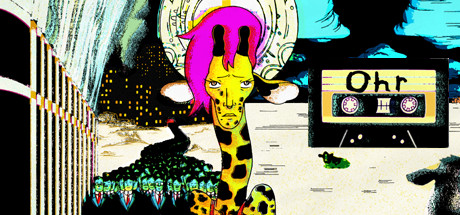
Ohr: אור, developed by Rail Slave Games and published by KPL, is an unusual and highly experimental indie title that blends retro-inspired gameplay with surreal narrative themes and mystical symbolism. From its opening moments, the game signals that it is not interested in following conventional design formulas. Instead, it embraces abstraction, ambiguity, and a collage of mechanical influences drawn from early console-era action and adventure games. The result is a project that feels intensely personal and creatively bold, though not always cohesive in execution.
The premise is steeped in spiritual and symbolic undertones. Players awaken as a mysterious being called forth by the cries of humanity, tasked with recovering lost “frequencies” and restoring balance to a fragmented world. The narrative is intentionally opaque, communicated through fragmented text, symbolic imagery, and dreamlike sequences rather than straightforward exposition. This abstract storytelling invites interpretation rather than providing clear answers, giving the game an almost allegorical tone. For some players, this ambiguity creates intrigue and atmosphere; for others, it can feel disorienting and inaccessible.
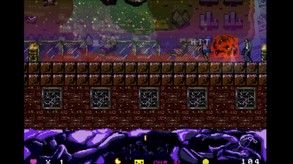
Gameplay in Ohr is a hybrid of side-scrolling action, platforming, and light RPG elements. Exploration alternates between overworld-style navigation and more traditional platforming stages filled with enemies and environmental hazards. Combat incorporates martial arts-inspired moves, spinning kicks, energy-based attacks, and timed strikes that require precision. The mechanics aim to combine old-school difficulty with unconventional design, but the shifting styles can create a sense of inconsistency. At times, the game transitions into sequences that resemble shoot-’em-up segments or rapid-fire action challenges, adding further variety but also unpredictability.
Difficulty plays a central role in the experience. Ohr does not shy away from punishing design choices, often demanding repeated attempts to overcome challenging enemy encounters or tight platforming sections. Hit detection and enemy behavior can feel unforgiving, and the lack of extensive guidance or tutorial systems contributes to a steep learning curve. The trial-and-error nature of progression evokes classic 8-bit titles, but without modern quality-of-life adjustments, some players may find the challenge more frustrating than rewarding.
Visually, Ohr embraces a distinctive and sometimes chaotic aesthetic. The art style shifts between minimalist pixel environments and more surreal imagery that reinforces its mystical themes. Color palettes can be stark and dramatic, and certain scenes lean into symbolic abstraction rather than representational clarity. This approach strengthens the game’s artistic identity but may also amplify the sense of disorientation. The soundtrack further enhances the mood, blending contemplative piano passages with harsher, industrial-inspired sounds that contribute to an atmosphere of tension and mystery.
Mechanically, progression systems exist but are not deeply layered. The game introduces elements that resemble character development or resource management, yet they are not presented with extensive explanation. This reinforces the feeling of experimentation, as players must piece together systems through observation rather than instruction. The world itself is relatively compact, and while there is some exploration and backtracking, the scope remains modest compared to larger action-adventure titles.
Community reception reflects the game’s divisive nature. Some players appreciate its bold artistic direction and willingness to defy expectations, viewing it as a creative micro-epic that prioritizes atmosphere over polish. Others criticize the lack of clarity, uneven difficulty, and occasional mechanical roughness. Ohr does not strive for mainstream appeal; instead, it occupies a niche space where experimentation and unpredictability are part of its identity.
Ultimately, Ohr: אור is a game that thrives on its uniqueness. It combines retro-inspired combat with abstract storytelling and an uncompromising design philosophy. While it may not deliver the smooth pacing or structured systems that many players expect, it stands as a testament to independent creativity. For those drawn to unconventional, symbol-heavy experiences that challenge both mechanical skill and interpretive understanding, Ohr offers a distinctive journey. For others seeking clarity, cohesion, and refinement, it may feel chaotic and uneven. In either case, it remains a noteworthy example of experimental indie development willing to take creative risks.
Rating: 5/10