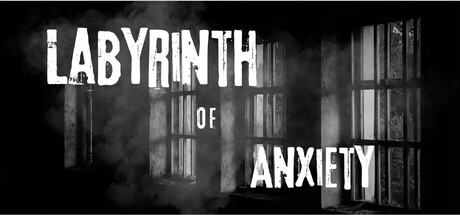
You are trapped in a labyrinth of identical rooms that repeat endlessly. The goal is to find the right door and move forward before anxiety consumes you. Every decision matters... the labyrinth doesn't forgive mistakes.
Modeled estimate, not a reported figure. How we estimate →
Media

About
You are trapped in a labyrinth made of identical rooms that repeat endlessly. There are no maps. No references. Only decisions.
Your objective is clear: advance floor after floor until you find the exit before anxiety completely consumes you.
Each floor consists of a central room with 4 doors. When you cross a door:
You may advance to the next floor.
You may remain on the same level.
You may enter a safe room.
To leave each floor, you must find a hidden key located somewhere within the rooms.
The key’s location changes dynamically every time you enter a room, adding uncertainty and replayability.
Once you obtain the key, you must choose correctly between the remaining doors to progress. A wrong decision can push you backward and cost you progress.
Anxiety is a core gameplay mechanic.
It increases progressively over time.
It temporarily decreases when you find certain objects.
It is reduced inside safe rooms.
If anxiety reaches its maximum limit, the run ends.
There are no physical enemies or traditional combat. The pressure comes from time, repetition, and constant uncertainty.
The game consists of progressing through multiple floors of the labyrinth.
There is only one ending.
There are no branching narrative paths.
There is no manual or automatic save system.
Each run must be completed in a single session.
The average playtime is approximately 1 hour, depending on the player’s decisions.
First-person exploration.
Progression system based on strategic door selection.
Anxiety management mechanic as a fail condition.
Dynamic key placement with variable positions.
Safe rooms that reduce anxiety levels.
Minimalist and oppressive atmosphere.
Atmospheric soundtrack designed to intensify tension.
Short but intense psychological experience.
Labyrinth of Anxiety is a psychological experience focused on tension, repetition, and decision-making under pressure.
It is designed for players who enjoy introspective, minimalist, and emotionally intense experiences.
It is not an action or combat game.
It is a game about moving forward… even when everything looks the same.
Genres
Stats
All-time low is the lowest price we've recorded for this game since we started tracking it.
Languages: English, Spanish - Spain
Reviews
Eres de esas personas que nunca se olvida nada? que siempre tiene todo ordenado y bajo control? Pues ahora puedes sentirte como alguien que olvida las llaves todos los días de su vida y sentir la ansiedad que siente cada vez que da 200 vueltas por la casa buscando las llaves. Ahora ya sabes lo que es ser YO.
Labyrinth of anxiety is a psychological exploration game that transforms simple navigation and repetition into a surprisingly tense and emotionally draining experience. Developed and published by JordiAStudios, the game traps players inside an endless maze of nearly identical rooms where every decision carries pressure because of a constantly rising anxiety meter. Instead of relying on traditional horror elements like monsters, combat, or jump scares, the game focuses entirely on confusion, isolation, and the fear of losing progress. The result is a minimalist but effective indie project that feels more like a simulation of mental exhaustion than a conventional puzzle or horror game. The gameplay structure is deceptively simple. Players move through a labyrinth made up of repetitive rooms connected by multiple doors, searching for hidden keys that allow progression deeper into the maze. Choosing the wrong door can waste valuable time or send players into loops that increase disorientation and frustration. Since key placement changes dynamically every time a room is entered, exploration remains unpredictable even when the environments begin looking familiar. The game constantly creates uncertainty by forcing players to question whether they are making progress or simply wandering deeper into confusion. What truly defines the experience is the anxiety mechanic. Anxiety rises continuously while exploring the labyrinth, placing players under permanent psychological pressure throughout the game. Certain objects can temporarily lower stress levels, and safe rooms offer brief moments of calm, but the tension never completely disappears. If the anxiety meter fills entirely, the run ends immediately. This system turns ordinary exploration into something stressful because every wrong turn and wasted moment feels dangerous even without physical threats present. The game manages to create genuine emotional discomfort using only time pressure and uncertainty. The atmosphere is easily the game’s strongest achievement. The endless repetition of similar rooms gradually becomes oppressive and mentally exhausting in a way that feels intentional rather than accidental. At first, the environments appear simple and harmless, but over time the lack of visual variation begins creating disorientation and paranoia. Players slowly lose confidence in their own memory and navigation skills, which perfectly supports the game’s central theme of anxiety. The empty corridors and repetitive architecture become unsettling specifically because of how ordinary they appear. Visually, Labyrinth of anxiety embraces an extremely minimalist style. The environments are stripped down and repetitive by design, focusing entirely on maintaining emotional tension rather than visual spectacle. While some players may initially see the lack of variety as a weakness, the simplicity actually strengthens the psychological atmosphere. The game uses repetition as a weapon against the player, making the labyrinth feel endless and emotionally exhausting over longer sessions. The visual design succeeds not through technical complexity but through how effectively it supports the game’s emotional goals. Sound design also plays a major role in maintaining tension. Ambient noises, subtle audio effects, and restrained background music slowly increase the feeling of unease while exploring deeper into the labyrinth. The game avoids relying on loud scares or dramatic horror music, instead using silence and subtle sounds to create emotional discomfort. This restrained approach works extremely well because it allows the player’s imagination and growing frustration to become the primary source of fear. One of the most impressive aspects of the game is how effectively it creates tension with such limited mechanics. Players spend most of the experience simply walking through rooms, opening doors, and searching for keys, yet the anxiety system and repetitive structure make every decision feel stressful. The game proves that psychological horror does not always require monsters or violence. Sometimes confusion, repetition, and emotional pressure alone are enough to create a deeply uncomfortable atmosphere. The game’s structure may also frustrate many players. There are no save points or checkpoints, meaning each run must be completed in a single uninterrupted session. Losing progress because of rising anxiety or navigation mistakes can feel punishing, especially after spending significant time exploring deeper levels of the labyrinth. This unforgiving design creates intensity, but it also limits accessibility for players who prefer more forgiving progression systems. Replay value is somewhat limited because much of the experience depends on the emotional impact of the first successful run. While randomized key placement helps maintain unpredictability, the gameplay itself remains fairly repetitive once players fully understand the mechanics. Players searching for evolving systems, deeper puzzles, or large amounts of content may eventually find the experience too simplistic after the initial tension fades. Despite those limitations, Labyrinth of anxiety succeeds because it fully commits to its concept. It never attempts to become a traditional horror game or an action experience. Instead, it focuses entirely on creating emotional stress through repetition, uncertainty, and isolation. That focused design philosophy gives the game a strong identity and allows it to stand out among many larger but less memorable indie horror titles. Labyrinth of anxiety ultimately stands as a unique and psychologically effective indie experience that transforms simple exploration into a stressful mental challenge. Its anxiety system, oppressive atmosphere, and repetitive labyrinth design work together to create a surprisingly memorable experience built entirely around emotional pressure and disorientation. While the minimalist gameplay and unforgiving structure will not appeal to every player, those interested in experimental psychological experiences and atmosphere-driven indie games will likely find it unsettling in a way that lingers long after completion. Rating: 6/10
Labyrinth of anxiety is a fairly basic Unity asset flipped first person horror adventure, one of many hundreds, if not thousands of these glutting Steam. The "developer" paid for/pirated a few Unity asset store assets, arranged them haphazardly in a first person adventure game template, and submitted it to Valve as if they're real game developers. Most of the assets here were ripped off from various asset packs from [url=https://assetstore.unity.com/publishers/32000]Brick Project Studio[/url] who do basic domestic/apartment themed game assets. This is a particularly lazy and repetitive first person adventure where you suffer extreme anxiety and have to keep walking into a room, finding a key, then choosing the right exit door. I can tell you what the right exit door is, it's alt+f4. So, the game might look better than you'd expect from an amateur project, but this is because it's partially or completely made up of stock assets, "borrowed" from asset stores and free asset websites. Very little in this game is truly the creation of the "developer", it's just a bunch of rearranged assets. Taking this shovelware seriously as if it was a genuine attempt to make a game, it doesn't meet basic minimum requirements that most PC gamers expect as standard. There's no option to change the resolution and no useful graphics tweaks. There's no way to ensure this is running at the native resolution of your display. There's no guarantee this game will look right on any PC as a result of this hamfisted design decision. The mismatched game assets are fairly mediocre/low quality, it's a wonder why they couldn't be bothered "borrowing" higher quality assets for this asset flip. This is a lot like going on a shoplifting spree but only stealing the cut price store brand goods. Regardless, the poor quality assets alone should be enough to deter gamers from bothering with this. The controls can't be customised, which will be an annoyance for many, but it can also render the game unplayable for differently-abled gamers, left handed gamers or gamers using AZERTY or other international keyboard layouts. These technical shortcomings push this game below minimum standards for any competently developed modern PC game. The poor quality of this game is reflected by how many people spent time with it. At the time of this review, SteamDB shows the game all-time peak player count was only ONE player. That's right, only one person ever played this at a time. When I played this for the purposes of reviewing it, I equalled the peak player count for the game. OUCH. The only player activity occurs once or twice a month, presumably someone loading it up to see what it is then quickly uninstalling it. Considering there's over 130 million gamers on Steam and well over 140,000 games for gamers to choose from, the overwhelming lack of interest in this low quality game is to be expected. This kind of asset flipping isn't harmless. It makes it harder for gamers to find genuinely made games from ethical developers. It makes it harder for genuine indie developers, who put hard work into trying to make real games, to find an audience for their products. It gives indie developers a bad name. Now on to pricing and value. Should you buy this asset flip? Is this really better than any of the 140,000+ genuinely made games on Steam? Of course not! Labyrinth of anxiety is relatively cheap at $2 USD, but it's not worth it. Remember that if you buy a game from an unethical developer, you're putting your money at risk. Ethics aside, the quality problems and defects with this game makes the asking price totally unrealistic. It's impossible to recommend this to gamers here on Steam, especially considering the unethical stuff going on. [quote][b][url=https://partner.steamgames.com/doc/marketing/profile]Profile Features Limited![/url][/b] Valve have marked this game as "Profile Features Limited" at the time of this review. This is usually caused by poor sales figures and low community acceptance for the game (to date). Until this status changes, this game will not give you +1 to your Game Collector badge count, appear in profile achievements or any other Steam meta-accomplishments, nor can it be displayed in some profile showcases. If these factors are important to you, it may be worth holding off before buying this game.[/quote]
Related
Related
Trends
Concurrent players on Steam, sampled daily since tracking started.
Momentum
Pace estimated from the game's recent review growth (our daily snapshots) at its own sales-per-review ratio — a momentum signal, not booked sales.
Related
| 7 Days to Die | $425.3M | 404.8K | 87% | $44.99 |
| Euro Truck Simulator 2 | $421.6M | 933.2K | 97% | $19.99 |
| Mount & Blade II: Bannerlord | $309.8M | 294.3K | 88% | $49.99 |
| The Forest | $254.8M | 678.9K | 96% | $19.99 |
| Stardew Valley | $243.6M | 1M | 98% | $14.99 |
| Project Zomboid | $239.1M | 461.8K | 94% | $19.99 |
Related
| Glasses and Girls | $315.6 | 51 | 82% | $0.99 |
| Bongo Quest | $322 | 52 | 46% | $0.99 |
| Dances and Girls | $322 | 52 | 83% | $0.99 |
| Cosmic Journey PC Live Wallpaper | $336.3 | 52 | 71% | $0.99 |
| Forest and Girls | $340.5 | 55 | 82% | $0.99 |
| Work And Girls | $346.9 | 56 | 86% | $0.99 |