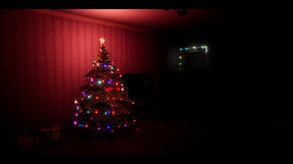
In the Irony of Nightmare things aren't always as they seem. Those who decide to solve all puzzles of the game, not only will unravel true secret of house, but also will open completely different ending of the story.
Modeled estimate, not a reported figure. How we estimate →
Media

About
Genres
Stats
All-time low is the lowest price we've recorded for this game since we started tracking it.
Languages: English, Russian
Engagement
Hours played at review time, across 50 reviews with recorded playtime.
Reviews
Themes across 50 recent reviews and how positive each mention is. A keyword signal, not full sentiment analysis.
positive critical· bar length = how often the theme comes up
Reviews
Pretty fun game, definitely worth the ending. Although kinda confusing to get there. Its worth it for a dollar.
Short horror game. It's a bit basic but it's also cheap and entertaining, so it's worth it.
This game turns clunky movement, jump scares, and 'was that supposed to happen?' moments into the core gameplay loop. Grab it for a dollar and play it around the holiday season. Don't expect too much.
Spent 2+ hours meandering around the hallways thinking I missed something, giving this game the benefit of the doubt, but it turned out my game was bugged with an incorrect puzzle solution, making it 100% unbeatable without a walkthrough. Maybe I'm a rare case, but considering this game has been in early access for 2 years with multiple reviews saying the same, I would stay away.
крутая игра друг порекомендовал жалко короткая
the game was super 8,5/10
Nach einer guten halben Stunde war es vorbei, mit viel Rumprobieren dauert es vielleicht zwei Stunden. Habe ich mich doll gegruselt oder erschrocken? Eher nicht. Knappe Weiterempfehlung wegen der funktionierenden, einfachen Errungenschaften: 5/10
buen juego navideño de terror, pero una cagada los sustos
Irony of Nightmare opens with an unsettling contrast that immediately defines its identity: a warmly decorated Christmas home filled with lights, color, and familiar holiday cheer, yet completely devoid of life. Instead of comfort, the environment radiates an uncanny stillness, as though the house is waiting for something—or someone—to disturb it. You awaken alone, surrounded by festive décor that feels increasingly out of place as the silence stretches on. This dissonance between celebration and dread is the foundation of the game’s horror, turning a season associated with safety and warmth into something cold, hollow, and ominous. As you take your first steps through the halls, the game relies not on gore or violence, but on atmosphere: the creak of floorboards, the flicker of lights, the sense that the house itself is watching. Exploration is the heart of Irony of Nightmare. The game drops you into a modestly sized house filled with locked doors, scattered clues, and puzzles that demand careful observation. Each room has a purpose, and piecing together the clues hidden in drawers, shelves, and notes pushes you toward the truth behind the house’s eerie emptiness. This structure gives the experience a light investigative quality; you are not merely wandering aimlessly, but actively pursuing answers. As you progress, the house begins to shift in tone, with strange events and unsettling visual cues breaking the monotony. These moments create a slow, creeping tension rather than relying on constant jump scares. The game rewards thorough exploration with an alternate ending, encouraging players to pay attention to every detail and dig a little deeper into the home’s secrets. The visual presentation leans heavily into psychological discomfort. The Christmas lights cast warm colors that turn strangely oppressive in the darkness, shadows cling to corners, and the house’s familiar domestic layout transforms into a maze of uncertainty. The contrast between festive décor and brooding atmosphere is effective, particularly in moments when you return to a room only to find it subtly altered or disturbed. The game’s use of sound further intensifies this tension. Silence dominates the experience, making every footstep or distant noise feel amplified. Instead of orchestral stings or overbearing music cues, the audio design relies on minimalism, heightening the player’s sensitivity to their surroundings and reinforcing the feeling of isolation. While the atmosphere is the game’s strongest component, Irony of Nightmare is intentionally modest in its gameplay ambitions. The puzzles are relatively simple, and the house itself is not expansive. Once you understand the layout and the basic logic behind most objectives, progression becomes more straightforward. The game’s length is short—often under an hour for a first playthrough—which limits narrative complexity but preserves pacing. The horror elements follow a predictable cycle of tension and release, and some players may find the scares too tame or traditional. Because there is no combat, stealth system, or dramatic branching narrative, the experience relies almost entirely on mood, environmental storytelling, and the two available endings to maintain engagement. These limitations reflect both the game’s indie origins and its intention as a compact horror vignette rather than a deep survival experience. Irony of Nightmare is not trying to reinvent the genre; instead, it focuses on a single theme—holiday horror—and explores it with a restrained, atmospheric approach. Once you’ve uncovered the crucial clues, unlocked the final rooms, and pieced together the truth behind your presence in the house, there is little reason to return outside of achieving the alternate ending. However, this brevity also means the game never overstays its welcome. For players looking for a short, tense experience that can be completed in a single sitting, its structure is well-suited. Ultimately, Irony of Nightmare succeeds as a small, atmospheric horror story built around unease, mystery, and emotional contrast. It transforms familiar holiday imagery into something unsettling without resorting to excessive shock tactics. Its strengths lie in mood, pacing, and the slow unraveling of an inexplicable situation. While it lacks the depth, scale, and mechanical variety of more elaborate horror games, it delivers exactly what a compact indie title of its scope promises: a focused, eerie experience that lingers briefly in the imagination. For fans of short psychological horror games and players who enjoy atmospheric, exploration-driven tension, Irony of Nightmare offers a quick but memorable trip into a festive season that has gone horribly wrong. Rating: 8/10
Tırt
Related
Related
Trends
Modeled estimate over time, reconstructed from Steam's monthly review histogram.
Momentum
Pace estimated from the game's recent review growth (our daily snapshots) at its own sales-per-review ratio — a momentum signal, not booked sales.
Audience
Audience
Estimated from the language of this game's reviews — a proxy for where players are, not official Steam demographics.
Games most often reviewed by the same players — an audience-affinity signal from our review sample, not full ownership data.
Related
| Heroes of the Three Kingdoms | $19.9K | 659 | 93% | $0.99 |
| Graces: Posthumous Wish | $19.9K | 201 | 95% | $3.19 |
| Runefall | $19.9K | 126 | 87% | $9.99 |
| Deadly Dozen | $19.9K | 63 | 75% | $9.99 |
| Mystery Case Files®: Escape from Ravenhearst™ | $19.9K | 113 | 59% | $9.99 |
| Wife Quest | $19.9K | 421 | 82% | $2.99 |
Related
| Mount & Blade II: Bannerlord | $309.8M | 293.9K | 88% | $49.99 |
| Palworld | $279.6M | 445.8K | 94% | $20.99 |
| The Forest | $254.8M | 678.5K | 96% | $19.99 |
| Project Zomboid | $239.1M | 460.8K | 94% | $19.99 |
| Satisfactory | $164.4M | 275.8K | 97% | $27.99 |
| Schedule I | $144.4M | 308.4K | 98% | $19.99 |