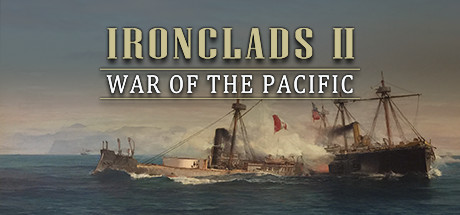
Ironclads 2: War of the Pacific is a historical naval strategy game developed by Totem Games and published by Strategy First, focusing on one of the lesser-explored military conflicts of the nineteenth century. Built around the War of the Pacific involving Chile and Peru, the game combines large-scale strategic planning with tactical naval warfare, creating an experience designed primarily for players who enjoy military simulations and historically grounded strategy systems. Rather than emphasizing cinematic action or simplified naval combat, it leans heavily into realism, fleet management, and careful operational decision-making.
The historical setting becomes one of the game’s strongest defining characteristics. Taking place during the War of the Pacific, the campaign centers on control of territories and maritime dominance during a period where naval technology was rapidly evolving. Industrial advancements had begun transforming warfare, creating an era where ironclad ships, steam-powered fleets, and modern artillery systems reshaped military tactics. Ironclads 2 captures that transitional period by placing players directly into command structures where naval superiority determines long-term success.
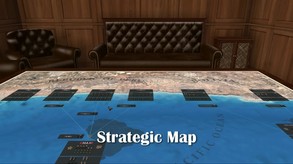
The campaign structure operates on two major gameplay layers. The first revolves around larger operational strategy where players manage fleets, organize movements, secure objectives, and oversee military expansion. Decisions made here shape the broader course of conflict. Protecting trade routes, disrupting enemy operations, planning naval offensives, and managing military positioning become constant responsibilities. The larger strategic map ensures battles feel connected to long-term planning rather than isolated encounters.
The second layer shifts toward tactical naval warfare once fleets engage directly. Combat unfolds in real time, requiring players to manage positioning, firing opportunities, ship formations, and battlefield awareness. Success depends heavily on understanding vessel capabilities and making smart decisions under pressure. Ship placement becomes critical because nineteenth-century naval warfare relied heavily on maximizing advantages while minimizing exposure to enemy fire.
The game pays considerable attention to historical authenticity. Ironclad warships, artillery systems, and naval technologies reflect the period being represented, helping strengthen immersion for players interested in military history. Rather than creating heavily exaggerated combat encounters, the game favors deliberate pacing and tactical realism. Battles often reward preparation and patience more than aggressive risk-taking.
Fleet management adds another important layer of complexity. Naval strength extends beyond individual battles. Players must consider how ships are deployed, reinforced, and preserved throughout larger campaigns. Resource decisions influence long-term effectiveness, forcing careful balancing between offensive operations and maintaining sustainable military strength. Mistakes made during larger planning stages often carry consequences that become visible later during direct engagements.
One particularly interesting aspect comes from how geography influences strategic decisions. The harsh terrain surrounding the conflict means naval control carries enormous importance. Dominating waterways becomes essential for movement, supply lines, and larger military objectives. This creates campaigns where ocean control matters as much as battlefield performance itself.
The game’s simulation-focused design creates satisfying depth for players willing to invest time learning systems. Strategic layers interact meaningfully with tactical combat, creating situations where long-term planning influences immediate battlefield outcomes. The structure rewards thoughtful decision-making and encourages players to consider consequences before committing forces.
Visually, Ironclads 2 prioritizes functionality rather than spectacle. Interfaces and battle presentation focus heavily on delivering information clearly rather than chasing cinematic presentation. Ship models and battlefield visuals communicate purpose effectively even if presentation occasionally reveals the limitations associated with smaller-scale simulation projects. The emphasis remains firmly placed on strategy systems rather than visual excess.
Its learning curve naturally becomes one of the more challenging aspects of the experience. Players unfamiliar with naval simulations may require patience before systems become comfortable. Mechanics often prioritize depth over accessibility, and some systems demand experimentation before mastery begins to emerge. This complexity strengthens immersion for strategy enthusiasts while potentially creating barriers for newcomers.
Pacing also favors realism over constant action. Campaign progression unfolds methodically, reflecting the slower operational nature of historical naval warfare. Players expecting nonstop combat or immediate rewards may find portions of progression deliberate by modern standards. However, those willing to embrace the slower structure will likely appreciate how strongly it reinforces the simulation-focused identity.
The game’s narrower focus means it appeals most directly to a specific audience. Players looking for highly cinematic naval warfare or simplified strategy mechanics may find the experience demanding. However, players interested in historical warfare, military logistics, and operational naval command will likely discover far greater value.
Ironclads 2: War of the Pacific succeeds because it remains committed to authenticity rather than compromise. Totem Games creates a strategy experience built around historical detail and meaningful decision-making while avoiding unnecessary simplification. The result is a naval simulation that rewards patience, planning, and appreciation for maritime military history.
For players who enjoy historically grounded strategy titles and naval warfare simulations built around long-term thinking rather than immediate spectacle, Ironclads 2: War of the Pacific delivers a focused and rewarding experience that explores an often overlooked chapter of military history.
Rating: 6/10