IMPACT
Also onSteam
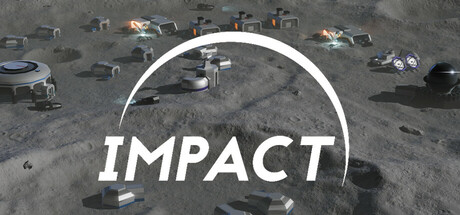
IMPACT is an immersive sci-fi game set on the Moon. Build and manage a lunar base, generating valuable scientific data along the way. This data is used by the European Space Agency to train a real AI that will eventually land on the Moon.
Estimated lifetime revenue
Free-to-play
Revenue comes from in-game items and microtransactions, which our price-based model doesn't estimate. The player count below is how many people own it, not what they spent.
Est. players
2K
people who own it
Reviews
62
Review score
56%
5.6/10
Concurrent players
1
read Sep 18, 2026, 15:00 UTC
Followers
About
About the game
IMPACT – Your Journey to the Moon Begins Here!
Dive into IMPACT, an immersive sci-fi game that takes you to the Moon. Build and manage your own lunar base, generating valuable scientific data used by the European Space Agency (ESA) to train a real AI that will one day land on the Moon. Experience how your decisions directly influence the future of lunar exploration!
Key Features:
🌑 Build Your Lunar Base: Construct a state-of-the-art lunar colony. From solar power plants and living quarters to research labs – plan and build the infrastructure necessary to survive and thrive on the Moon.
🚀 Explore New Technologies: Discover and develop groundbreaking technologies to help you overcome the Moon's harsh conditions. Use these technologies to enhance your base and unlock new opportunities for lunar exploration.
🌌 Overcome Extraterrestrial Challenges: Face the unique challenges of the Moon. Whether it's meteor storms, moonquakes, or other cosmic hazards – you must always stay one step ahead to protect your base and crew.
🔍 Generate Scientific Data: As you build and expand your base, you generate valuable data about the Moon. This data is used by ESA to train an AI that will improve the safety and efficiency of future lunar landings.
🌟 Shape the Future of Lunar Research: Your actions and decisions in IMPACT have direct consequences for real-world space research. Help pave the way for the next generation of space missions and the exploration and colonization of the Moon.
🎮 Unique Gameplay Experience: IMPACT combines challenging gameplay with a deep narrative. Experience the journey of your crew, their triumphs and setbacks, and feel like part of an epic mission.
🛰 Join a Global Community: Connect with players from around the world, share your achievements, and collaborate on the exploration of the Moon. Your contributions can make a real difference!
Why Play IMPACT?
IMPACT is not just a game – it’s a mission. By playing IMPACT, you actively contribute to the collection of data that will make future lunar missions safer and more efficient. Experience the excitement of space exploration, master complex challenges, and become part of a global project that will expand the boundaries of our knowledge about the Moon.
Join IMPACT and start your journey to the Moon. Your adventures await – and the future of lunar research is in your hands!
Dive into IMPACT, an immersive sci-fi game that takes you to the Moon. Build and manage your own lunar base, generating valuable scientific data used by the European Space Agency (ESA) to train a real AI that will one day land on the Moon. Experience how your decisions directly influence the future of lunar exploration!
Key Features:
🌑 Build Your Lunar Base: Construct a state-of-the-art lunar colony. From solar power plants and living quarters to research labs – plan and build the infrastructure necessary to survive and thrive on the Moon.
🚀 Explore New Technologies: Discover and develop groundbreaking technologies to help you overcome the Moon's harsh conditions. Use these technologies to enhance your base and unlock new opportunities for lunar exploration.
🌌 Overcome Extraterrestrial Challenges: Face the unique challenges of the Moon. Whether it's meteor storms, moonquakes, or other cosmic hazards – you must always stay one step ahead to protect your base and crew.
🔍 Generate Scientific Data: As you build and expand your base, you generate valuable data about the Moon. This data is used by ESA to train an AI that will improve the safety and efficiency of future lunar landings.
🌟 Shape the Future of Lunar Research: Your actions and decisions in IMPACT have direct consequences for real-world space research. Help pave the way for the next generation of space missions and the exploration and colonization of the Moon.
🎮 Unique Gameplay Experience: IMPACT combines challenging gameplay with a deep narrative. Experience the journey of your crew, their triumphs and setbacks, and feel like part of an epic mission.
🛰 Join a Global Community: Connect with players from around the world, share your achievements, and collaborate on the exploration of the Moon. Your contributions can make a real difference!
Why Play IMPACT?
IMPACT is not just a game – it’s a mission. By playing IMPACT, you actively contribute to the collection of data that will make future lunar missions safer and more efficient. Experience the excitement of space exploration, master complex challenges, and become part of a global project that will expand the boundaries of our knowledge about the Moon.
Join IMPACT and start your journey to the Moon. Your adventures await – and the future of lunar research is in your hands!