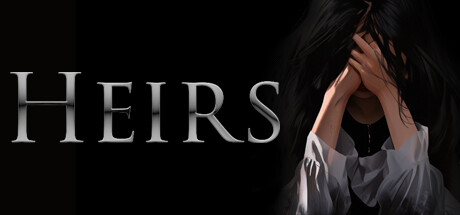
Heirs, developed and published by TEStudio, is an introspective and atmospheric walking simulator that delves into the concept of inheritance in both its literal and psychological forms. It is a game about the weight of legacy, about the things we are left with—memories, emotions, fears, and burdens that cannot easily be discarded. Rather than relying on puzzles or traditional challenges, Heirs builds its narrative through ambience, exploration, and implication. The player moves through bleak, shadowy environments filled with quiet tension and muted beauty, uncovering fragments of a story that hints at family ties, secrets, and the invisible pull of the past. From the start, the game makes it clear that it is more interested in reflection than in action, emphasizing emotional resonance over mechanical complexity. It creates an experience that asks you not just to play, but to linger, observe, and think about what it means to inherit something you may never have wanted.
Visually, Heirs adopts a restrained and moody aesthetic that fits its contemplative tone. The environments are rendered in subdued, almost monochromatic colors, creating a sense of emptiness that mirrors the protagonist’s internal state. The lighting is intentionally minimal, forcing the player to pay attention to faint glows, shifting shadows, and small visual cues that reveal pieces of the world. The phrase “don’t go into the dark,” which appears in the game’s description, functions both as a practical warning and a symbolic statement about fear and curiosity. The world feels both oppressive and alluring, drawing the player forward with a quiet unease. TEStudio’s use of space and stillness is deliberate—the game feels empty, but that emptiness is charged with meaning. Every flicker of light, every step through a lonely hallway, feels significant, even when nothing explicitly happens. The lack of visual spectacle becomes a strength, reinforcing the sense that Heirs is less about seeing and more about feeling.
The sound design contributes profoundly to the atmosphere. Rather than relying on music, the game uses ambient noise and subtle audio cues to shape the emotional rhythm of exploration. Distant echoes, low rumbles, and faint environmental sounds fill the silence, making each movement feel tense and uncertain. The absence of a conventional soundtrack heightens the isolation, allowing small noises to become powerful. This minimalist soundscape creates a meditative rhythm where silence becomes as expressive as any melody. It mirrors the game’s core theme: the burden of inheritance is often something that cannot be spoken, only felt. The stillness between sounds becomes a metaphor for the space between generations, for what is left unsaid in the act of passing something down.
In terms of gameplay, Heirs remains true to the walking simulator genre. There are no riddles, enemies, or combat mechanics—only movement and discovery. This simplicity makes the experience accessible but also demands a certain kind of engagement from the player. Without goals or rewards in the conventional sense, progress depends on curiosity and patience. Players must explore the environment slowly, piecing together context from environmental storytelling and visual symbolism. The narrative unfolds indirectly, allowing the player to interpret meaning rather than being told what to think. Some may find this approach too minimalistic, as it provides little in the way of clear objectives or traditional pacing. But for others, this lack of structure is liberating, allowing them to engage with the world at their own rhythm and draw personal conclusions from its quiet mysteries.
Thematically, Heirs explores the idea that inheritance is not just about property or lineage, but about emotional and existential weight. The game’s title refers to the unavoidable truth that everyone inherits something—habits, traumas, values, and histories that shape who we become. The story hints that not all inheritances are blessings; some are curses passed down in silence. Through its setting and tone, Heirs portrays the act of confronting one’s legacy as both terrifying and necessary. It invites reflection on how the past continues to echo in the present, how the things we avoid often define us the most. The lack of overt exposition or dialogue means that much of this storytelling happens through mood and inference, which gives the experience a haunting subtlety. It’s less about uncovering a concrete mystery and more about confronting the feeling of being trapped between what once was and what must come next.
Heirs may not be for everyone. Its slow pace, minimalist design, and lack of traditional gameplay loops make it an acquired taste. Those looking for action, puzzles, or branching narratives will find little of that here. Yet for players who appreciate atmosphere-driven storytelling and emotional subtlety, it offers a deeply resonant experience. The short runtime and focused design make it feel like an interactive meditation—a journey through shadow and silence that lingers after it ends. It demonstrates how video games can function as quiet reflections on human experience rather than as tests of skill or reflex. In the end, Heirs succeeds not through spectacle or innovation, but through sincerity. It is a somber and thoughtful meditation on memory, legacy, and the unshakable pull of what we inherit, inviting players to look inward and confront the darkness they carry with them.
Rating: 6/10