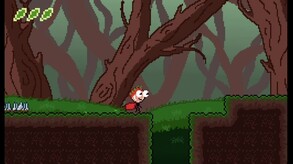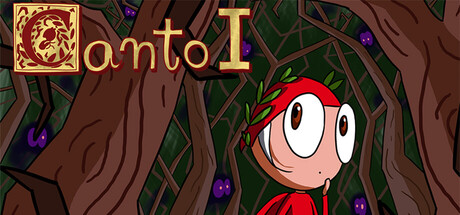
Face the Dark Forest of the Divine Comedy in this action platformer inspired by the Sommo Poeta’s masterpiece! Help Dante avoid pitfalls, spikes & specters using double jumps, magical attacks and dashes. Find the scrolls containing the triplets of the Canto exploring this gloomy, pixelart forest!
Revenue comes from in-game items and microtransactions, which our price-based model doesn't estimate. The player count below is how many people own it, not what they spent.
About
Genres
Stats
Engagement
Reviews
Themes across 41 recent reviews and how positive each mention is. A keyword signal, not full sentiment analysis.
Reviews
Cannot beat lev 3 lol
Gioco piacevole,ricorda i giochi del vecchio C64 Da provare per un ritorno al passato
nice one. won't take too much time to complete
Media

Related
Related
Price dynamics, follower growth, revenue and sales trajectories with interactive tooltips
This and every other Pro feature is free until October 20, 2026. A free account is all it takes.
Languages: English*, Italian**languages with full audio support
Hours played at review time, across 41 reviews with recorded playtime.
positive critical· bar length = how often the theme comes up
Quick fun plat former.
Bit of a silly way to recount the poem but what's nice is you can read part of it once you collect all the scrolls, otherwise it's a decent lil precision platformer even if the hitboxes feel a tad off.
Nice little free game
jogo injooogavel na faze tres e impossivel de zerar
Bem desafiador
Przyjemna odskocznia od ciągłego biegania i strzelania do innych.
Canto I is a compact indie action-platformer developed by LudosGD and published by Neoclassic Games that draws its inspiration directly from one of the most famous works of classical literature, The Divine Comedy by Dante Alighieri. Rather than simply referencing the poem as background lore, the game attempts to transform the opening section of Dante’s journey into an interactive experience. The result is a short but intriguing platforming adventure that merges literary storytelling with challenging gameplay mechanics, inviting players to explore the symbolic “dark forest” that marks the beginning of Dante’s descent into the unknown. The narrative premise follows the early moments of Dante’s story, where the protagonist awakens lost within a mysterious and shadowy forest. This setting mirrors the opening lines of the original poem, where Dante finds himself wandering through a place of uncertainty and fear. In the game, players guide Dante through this environment while searching for scattered fragments of the canto itself. These fragments appear as collectible scrolls that contain portions of the poem, encouraging exploration and giving players a reason to carefully search the environment. By gathering these pieces of text, players gradually reconstruct the passage that inspired the game’s events. Gameplay centers around classic platforming mechanics combined with light combat elements. Dante is capable of running, jumping, performing double jumps, and using a magical attack to defend himself against enemies that inhabit the forest. While the control scheme is simple and easy to understand, the level design places heavy emphasis on precise timing and accurate movement. Players must carefully navigate narrow platforms, avoid spike traps, and time their jumps perfectly to progress through each section of the stage. The game’s structure follows a series of short levels that gradually introduce more complex platforming challenges. Early sections allow players to become comfortable with Dante’s movement abilities, while later areas demand more precise control and faster reactions. Hazards such as falling platforms, tight corridors, and strategically placed traps create moments where players must carefully plan their movements. Failure often results in falling back into dangerous areas, forcing players to retry sections until they master the required timing. Enemy encounters add an additional layer of challenge to the experience. Throughout the forest, Dante encounters ghostly creatures and hostile spirits that block his path. These enemies can be defeated using magical attacks, but players must balance offense with careful positioning to avoid being overwhelmed. The combat mechanics remain relatively simple, but they help break up the platforming sequences and provide moments of action between the more demanding jumping challenges. One of the game’s more interesting features is the inclusion of multiple gameplay modes that cater to different player preferences. The Classic mode offers the standard platforming experience with balanced difficulty, while Story mode provides a more forgiving version that allows players to focus on collecting the poem fragments and exploring the environment. For players seeking a greater challenge, Hell mode dramatically increases the difficulty, transforming the levels into punishing tests of precision where even minor mistakes can lead to repeated failures. Visually, Canto I adopts a retro-inspired pixel art style that suits its platforming roots. The environments are designed with dark tones and atmospheric lighting that reflect the mysterious nature of the forest setting. Despite the limited color palette, the environments manage to convey a sense of depth and mood that enhances the game’s interpretation of the poem’s opening scene. The character animations are expressive and fluid enough to make movement feel responsive, which is particularly important in a game that relies on precise jumping mechanics. The sound design contributes to the atmosphere with subtle background music and ambient effects that reinforce the eerie mood of the forest. The soundtrack remains understated, allowing the focus to remain on the tension created by the platforming challenges. Occasional sound cues highlight enemy encounters or successful actions, providing feedback that helps players stay engaged with the gameplay. Because Canto I is a relatively small indie project, its overall scope is fairly limited. The total number of levels is modest, and experienced platformer players may complete the main experience in a relatively short amount of time. However, the inclusion of hidden scrolls, achievements, and multiple difficulty modes adds some replay value for players interested in exploring every aspect of the game. The difficulty level may also divide players depending on their experience with precision platformers. Certain sections require careful timing and repeated attempts to complete successfully, which may feel frustrating for those unfamiliar with the genre. At the same time, players who enjoy mastering challenging platforming mechanics may find satisfaction in gradually improving their performance and overcoming difficult obstacles. Despite its small scale, Canto I stands out because of its creative concept. Few games attempt to directly adapt classic poetry into gameplay, and the developers deserve credit for experimenting with this idea. The process of collecting verses from the original poem adds a literary dimension to the experience that goes beyond simple platforming objectives. Ultimately, Canto I is a modest but thoughtful indie platformer that blends literary inspiration with challenging gameplay. While it may not offer the extensive content or complex systems found in larger platforming titles, its creative premise and focused design make it an interesting experiment within the genre. Players who appreciate retro platformers or enjoy games with unusual narrative inspirations will likely find the experience worthwhile. Rating: 7/10
Selling now
See how fast this game is selling right now — estimated copies and revenue per day from recent review growth.
Players by region
Where this game's players are, estimated from review languages.
Related
| Game | Estimated lifetime revenue | Reviews | Review score | Price |
|---|---|---|---|---|
| $14.5K | 45 | 100% | $14.99 | |
| — | 0 | — | — | |
| — | 0 | — | — | |
| $0 | 3.1K | 95% | Free | |
| — | 0 | — | — | |
| $59.2K | 426 | 81% | $7.99 |