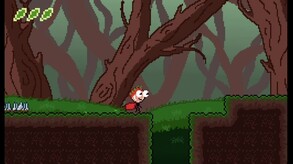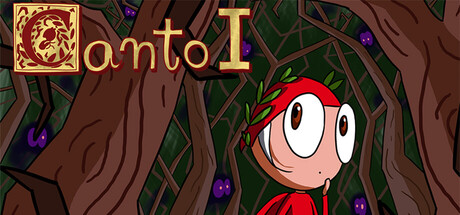
Face the Dark Forest of the Divine Comedy in this action platformer inspired by the Sommo Poeta’s masterpiece! Help Dante avoid pitfalls, spikes & specters using double jumps, magical attacks and dashes. Find the scrolls containing the triplets of the Canto exploring this gloomy, pixelart forest!
Revenue comes from in-game items and microtransactions, which our price-based model doesn't estimate. The player count below is how many people own it, not what they spent.
About
Genres
Stats
Engagement
Reviews
Themes across 41 recent reviews and how positive each mention is. A keyword signal, not full sentiment analysis.
Reviews
Canto I is a compact indie action-platformer developed by LudosGD and published by Neoclassic Games that draws its inspiration directly from one of the most famous works of classical literature, The Divine Comedy by Dante Alighieri. Rather than simply referencing the poem as background lore, the game attempts to transform the opening section of Dante’s journey into an interactive experience. The result is a short but intriguing platforming adventure that merges literary storytelling with challenging gameplay mechanics, inviting players to explore the symbolic “dark forest” that marks the beginning of Dante’s descent into the unknown. The narrative premise follows the early moments of Dante’s story, where the protagonist awakens lost within a mysterious and shadowy forest. This setting mirrors the opening lines of the original poem, where Dante finds himself wandering through a place of uncertainty and fear. In the game, players guide Dante through this environment while searching for scattered fragments of the canto itself. These fragments appear as collectible scrolls that contain portions of the poem, encouraging exploration and giving players a reason to carefully search the environment. By gathering these pieces of text, players gradually reconstruct the passage that inspired the game’s events. Gameplay centers around classic platforming mechanics combined with light combat elements. Dante is capable of running, jumping, performing double jumps, and using a magical attack to defend himself against enemies that inhabit the forest. While the control scheme is simple and easy to understand, the level design places heavy emphasis on precise timing and accurate movement. Players must carefully navigate narrow platforms, avoid spike traps, and time their jumps perfectly to progress through each section of the stage. The game’s structure follows a series of short levels that gradually introduce more complex platforming challenges. Early sections allow players to become comfortable with Dante’s movement abilities, while later areas demand more precise control and faster reactions. Hazards such as falling platforms, tight corridors, and strategically placed traps create moments where players must carefully plan their movements. Failure often results in falling back into dangerous areas, forcing players to retry sections until they master the required timing. Enemy encounters add an additional layer of challenge to the experience. Throughout the forest, Dante encounters ghostly creatures and hostile spirits that block his path. These enemies can be defeated using magical attacks, but players must balance offense with careful positioning to avoid being overwhelmed. The combat mechanics remain relatively simple, but they help break up the platforming sequences and provide moments of action between the more demanding jumping challenges. One of the game’s more interesting features is the inclusion of multiple gameplay modes that cater to different player preferences. The Classic mode offers the standard platforming experience with balanced difficulty, while Story mode provides a more forgiving version that allows players to focus on collecting the poem fragments and exploring the environment. For players seeking a greater challenge, Hell mode dramatically increases the difficulty, transforming the levels into punishing tests of precision where even minor mistakes can lead to repeated failures. Visually, Canto I adopts a retro-inspired pixel art style that suits its platforming roots. The environments are designed with dark tones and atmospheric lighting that reflect the mysterious nature of the forest setting. Despite the limited color palette, the environments manage to convey a sense of depth and mood that enhances the game’s interpretation of the poem’s opening scene. The character animations are expressive and fluid enough to make movement feel responsive, which is particularly important in a game that relies on precise jumping mechanics. The sound design contributes to the atmosphere with subtle background music and ambient effects that reinforce the eerie mood of the forest. The soundtrack remains understated, allowing the focus to remain on the tension created by the platforming challenges. Occasional sound cues highlight enemy encounters or successful actions, providing feedback that helps players stay engaged with the gameplay. Because Canto I is a relatively small indie project, its overall scope is fairly limited. The total number of levels is modest, and experienced platformer players may complete the main experience in a relatively short amount of time. However, the inclusion of hidden scrolls, achievements, and multiple difficulty modes adds some replay value for players interested in exploring every aspect of the game. The difficulty level may also divide players depending on their experience with precision platformers. Certain sections require careful timing and repeated attempts to complete successfully, which may feel frustrating for those unfamiliar with the genre. At the same time, players who enjoy mastering challenging platforming mechanics may find satisfaction in gradually improving their performance and overcoming difficult obstacles. Despite its small scale, Canto I stands out because of its creative concept. Few games attempt to directly adapt classic poetry into gameplay, and the developers deserve credit for experimenting with this idea. The process of collecting verses from the original poem adds a literary dimension to the experience that goes beyond simple platforming objectives. Ultimately, Canto I is a modest but thoughtful indie platformer that blends literary inspiration with challenging gameplay. While it may not offer the extensive content or complex systems found in larger platforming titles, its creative premise and focused design make it an interesting experiment within the genre. Players who appreciate retro platformers or enjoy games with unusual narrative inspirations will likely find the experience worthwhile. Rating: 7/10
Media

Related
Related
Price dynamics, follower growth, revenue and sales trajectories with interactive tooltips
This and every other Pro feature is free until October 20, 2026. A free account is all it takes.
Languages: English*, Italian**languages with full audio support
Hours played at review time, across 41 reviews with recorded playtime.
positive critical· bar length = how often the theme comes up
操作简直是一tan√④,不知名小滑步真是折磨人
Игра 'Canto I' - это глоток свежего воздуха в жанре визуальных новелл. Мрачная, но завораживающая атмосфера, пропитанная мифами и фольклором, сразу же захватывает внимание. Рисовка выполнена в уникальном стиле, который идеально передает ощущение чего-то древнего и неземного. Сюжет фокусируется на сложных моральных выборах и последствиях наших действий. Каждый персонаж проработан настолько детально, что им искренне сопереживаешь, даже если их поступки вызывают отторжение. Музыкальное сопровождение идеально дополняет происходящее на экране, создавая неповторимую атмосферу. Единственный минус - относительная короткость прохождения, хочется больше углубиться в этот мир. Однако, концентрация событий и смыслов на единицу времени настолько высока, что это скорее плюс, чем минус. 'Canto I' оставляет после себя глубокое впечатление и заставляет задуматься о вечных вопросах. Настоятельно рекомендую всем любителям визуальных новелл и тем, кто ищет что-то новое и необычное.
Jogo que depois da terceira parte, fica incrivelmente difícil! ODIEI!! Era só mudar o trampolim de lugar e tirar alguns espinhos que dificultam muito a terceira fase!
mais ou menos
Приключенческая головоломка с акцентом на нарратив и эстетику. Игрок исследует стилизованные миры, вдохновлённые классической мифологией и искусством, решает задачи на логику и восприятие, раскрывает фрагменты истории через окружение и символы. Геймплей сочетает созерцание, поиск подсказок и постепенное освоение уникальных механик. Плюсы: Художественный стиль — визуальная эстетика в духе античных фресок и ренессансных мотивов создаёт запоминающуюся атмосферу и выделяет игру среди аналогов. Оригинальные головоломки — задачи задействуют необычные механики (например, работу с отражением, ритмом или трансформацией пространства), не сводятся к шаблонам. Погружающий нарратив — история подаётся без прямых объяснений: через артефакты, надписи на стенах и смену декораций, что побуждает внимательно изучать мир. Минусы: Сложные подсказки — отсутствие явных ориентиров в некоторых головоломках может надолго остановить прогресс, особенно у игроков, не склонных к абстрактному мышлению. Медленный темп — акцент на созерцании и детальном исследовании не подойдёт любителям динамичного геймплея или быстрых достижений. Ограниченная интерактивность — часть визуально заметных объектов выполняет лишь декоративную функцию, что иногда сбивает с толку при поиске решения. Итог: подойдёт поклонникам атмосферных нарративных головоломок и ценителей классической эстетики, кто готов к неспешному погружению в символический мир. Canto I впечатлит художественным стилем и нестандартными задачами, но может не заинтересовать тех, кто ищет экшен, чёткие инструкции или быстрый темп прохождения.
I stumbled upon Canto I by pure chance, and while it’s a pretty quick game to beat (if you’re good at platformers, you can finish it in about 20 minutes), it’s completely free to download (and super lightweight too), making it perfect for a quick break — or even longer if you’re into high difficulty with the Hell mode. It might not be a revolutionary platformer, but it’s definitely an enjoyable ride. Plus, by collecting the scrolls hidden throughout the levels, you can get a nice reread (or even a first-time read, why not) of the opening cantos of The Divine Comedy!
One of the most annoying platformers, like why does it move you so far after you stop???? I thought it was a precision platformer, but there's no way to be precise with such mechanic. Also, who the ♥♥♥♥ thought space is good for attack, if you're not going to make it jump, then at least make it dash, space has always been a key for movement, not attack
我是诗人,这就是诗,不值得玩,操作太恶心了,莫名其妙的平移加上恶心的关卡 这种作者最精了,做成一坨说是说是高难,不能因为加了无敌就乱弄吧 还特意写个牌子嘲讽,让人很不愉快
Fun little distraction for the price of free. And honestly seeing Dante Alighieri airdash was probably worth the download as is.
Selling now
See how fast this game is selling right now — estimated copies and revenue per day from recent review growth.
Players by region
Where this game's players are, estimated from review languages.
Related
| Game | Estimated lifetime revenue | Reviews | Review score | Price |
|---|---|---|---|---|
| $14.5K | 34 | 100% | $14.99 | |
| — | 0 | — | — | |
| — | 0 | — | — | |
| — | 0 | — | — | |
| $0 | 3.1K | 95% | Free | |
| $59.2K | 426 | 81% | $7.99 |