ball
Also onSteam
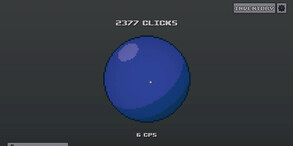
Earn a crate from a unique collection every 3 hours. When you open a crate, you'll receive one random ball out of 15 possible options. The balls are divided into 5 different rarity levels. Do you have what it takes to collect them all?
Estimated lifetime revenue
Free-to-play
Revenue comes from in-game items and microtransactions, which our price-based model doesn't estimate. The player count below is how many people own it, not what they spent.
Est. players
5.6K
people who own it
Reviews
140
Review score
68%
6.8/10
Concurrent players
84
read Sep 18, 2026, 15:00 UTC
Followers
About
About the game
World's greatest collection game.
Enter the world of ball:
Get crate drops every three hours! Open crates and collect unique balls of five different rarity levels.
(NEW)Arcade: Equip your favorite skin and play games!
Bally Bird (Iconic remake of a very popular game you might recognize)
Future plans:
Ball is in its early stages. Here's what's on the way:
Content updates: not only new balls and crates for you to collect and enjoy, but also some extra features we think you will like...
Steam community integration and supporting the artists: we want to see what you can create. submit your work and have a chance to be featured in a "community crate"!
More arcade games and ways to utilize your balls: ball is not just another low quality collection game. items will be usable in titles we have planned for the future.
Enter the world of ball:
Get crate drops every three hours! Open crates and collect unique balls of five different rarity levels.
(NEW)Arcade: Equip your favorite skin and play games!
Bally Bird (Iconic remake of a very popular game you might recognize)
Future plans:
Ball is in its early stages. Here's what's on the way:
Content updates: not only new balls and crates for you to collect and enjoy, but also some extra features we think you will like...
Steam community integration and supporting the artists: we want to see what you can create. submit your work and have a chance to be featured in a "community crate"!
More arcade games and ways to utilize your balls: ball is not just another low quality collection game. items will be usable in titles we have planned for the future.
Genres