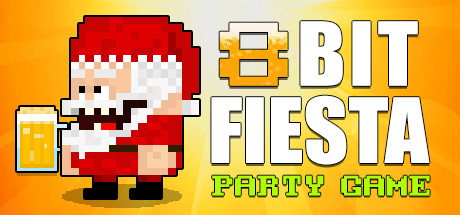
8Bit Fiesta brings everything you need to the table with its action packed local multiplayer mayhem including a built in drinking game! Choose between a ton of characters and challenge your friends and prove yourself worthy the title "King of the Fiesta".
Revenue comes from in-game items and microtransactions, which our price-based model doesn't estimate. Copies below reflect the player base, not paid sales.
Media

About


Genres
Stats
Languages: English**languages with full audio support
Engagement
Reviews
⣿⣿⣿⣿⣿⣿⣿⣿⣿⣿⣿⣿⣿⣿⣿⣿⣿⣿⣿⣿⣿⣿⣿⣿⣿⣿ ⣿⣿⣿⣿⣿⡿⢟⡛⢛⣋⠉⢉⣭⣍⠉⢉⣛⡛⢛⠻⢿⣿⣿⣿⣿⣿ ⣿⣿⣿⡿⠫⢞⢀⢰⣦⣭⣥⡤⡀⡠⣤⣭⣥⣴⢂⢘⠳⡝⢿⣿⣿⣿ ⣿⡿⢋⣠⡶⢣⣿⡎⣿⡿⢋⣼⡇⣿⣎⡻⣿⡟⣸⣧⠹⣦⣄⠙⢿⣿ ⣿⣷⣄⢩⡁⣛⣛⡓⠉⠴⠿⠿⠇⠿⠿⠿⠎⠁⣛⣛⡃⣩⡍⣠⣾⣿ ⣿⣿⣿⣦⡙⠌⠻⣿⣆⢻⣿⣿⢣⢻⣿⣿⠇⣾⡿⠋⡴⣫⣾⣿⣿⣿ ⣿⣿⣿⣿⣿⣮⡀⢈⠻⡌⢿⡟⣼⡜⣿⡟⣸⢏⠀⢈⣾⣿⣿⣿⣿⣿ ⣿⣿⣿⣿⣿⣿⣿⣆⠳⣅⠘⢣⣿⣧⠻⠐⡱⢃⣴⣿⣿⣿⣿⣿⣿⣿ ⣿⣿⣿⣿⣿⣿⣿⣿⣷⣌⠢⠸⣿⡿⢠⢞⣴⣿⣿⣿⣿⣿⣿⣿⣿⣿ ⣿⣿⣿⣿⣿⣿⣿⣿⣿⣿⣷⡀⠙⠁⣱⣿⣿⣿⣿⣿⣿⣿⣿⣿⣿⣿ ⣿⣿⣿⣿⣿⣿⣿⣿⣿⣿⣿⣿⣦⣾⣿⣿⣿⣿⣿⣿⣿⣿⣿⣿⣿⣿
peanut would love some pets and treats :) 🌸> フ | _ _ l /` ミ_xノ / | / ヽ ノ │ | | | / ̄| | | | | ( ̄ヽ__ヽ_)__) \二つ
Cool jugar def jam con los panas
Related
Related
Trends
Tracking started Jul 19, 2026 — check back soon for a trend.
Hours played at review time, across 40 reviews with recorded playtime.
Podría ser un gran juego para jugar con amigos si tuviese modo online, pero aun así se puede jugar en solitario pero no es lo mismo, las risas y los momentazos vienen cuando se juega con alguien.
Lo uso pa jugar emuladores en linea con compas nomas uwu
Karakterler arasında seçim yapmalı piksel grafikli güzel bir oyun arada girip oynanabilir.
⬛⬛⬛⬛⬛⬛⬛⬛⬛⬛⬛⬛⬛⬛⬛⬛⬛⬛⬛⬛⬛⬛⬛⬛⬛ ⬛⬛⬛🟥🟥⬛⬛⬛🟥🟥🟥🟥🟥⬛⬛🟥🟥🟥⬛🟥🟥🟥🟥⬛⬛ ⬛⬛⬛🟥🟥⬛⬛⬛🟥🟥⬛🟥🟥⬛🟥🟥⬛⬛⬛🟥🟥⬛🟥🟥⬛ ⬛🟥🟥🟥🟥🟥🟥⬛🟥🟥⬛🟥🟥⬛🟥🟥🟥🟥⬛🟥🟥⬛🟥🟥⬛ ⬛🟥🟥🟥🟥🟥🟥⬛🟥🟥🟥🟥🟥⬛🟥🟥🟥🟥⬛🟥🟥🟥🟥⬛⬛ ⬛⬛⬛🟥🟥⬛⬛⬛🟥🟥🟥🟥⬛⬛🟥🟥⬛⬛⬛🟥🟥⬛⬛⬛⬛ ⬛⬛⬛🟥🟥⬛⬛⬛🟥🟥⬛🟥🟥⬛🟥🟥🟥🟥⬛🟥🟥⬛⬛⬛⬛ ⬛⬛⬛⬛⬛⬛⬛⬛⬛⬛⬛⬛⬛⬛⬛⬛⬛⬛⬛⬛⬛⬛⬛⬛⬛
не понёл как бухать с гитлeром
8Bit Fiesta – The Drinking Game, developed by Linus Fredriksson and published by Frozen Dev, is a deliberately chaotic party title that prioritizes social energy over mechanical depth. It’s built around the idea that games don’t always need to be complex to be entertaining—sometimes, all you need is a group of people, a handful of simple rules, and a steady stream of unpredictable mini-games. With its retro pixel-art presentation and intentionally straightforward design, it positions itself less as a traditional competitive experience and more as a digital icebreaker meant to spark laughter and interaction. The structure revolves around a series of short, fast-paced mini-games that are easy to grasp within seconds. Each challenge is designed with simplicity in mind, typically requiring only basic movement or timing to succeed. This makes the game highly accessible, even for players who don’t normally engage with video games. The rounds are quick, the objectives are clear, and the transitions between games are seamless, which helps maintain a lively pace throughout a session. There’s very little downtime, and that constant motion is key to keeping the group engaged. What truly defines the experience, however, is its multiplayer focus. The game is clearly built for local gatherings, where players share the same space and react to each other in real time. The inclusion of a drinking mode adds an extra layer of unpredictability, tying in-game performance to real-world consequences. Losing a round can result in penalties that go beyond the screen, amplifying both the tension and the humor. It’s a mechanic that transforms even the simplest mini-game into something memorable, as reactions, banter, and spontaneous moments become just as important as the gameplay itself. Visually, the game embraces a bright, retro-inspired style that fits its tone perfectly. The pixel art is colorful and expressive, with exaggerated characters and playful animations that reinforce the game’s lighthearted nature. The simplicity of the visuals also serves a practical purpose, ensuring that players can quickly understand what’s happening on screen without being overwhelmed. It’s not a visually demanding game, but it doesn’t need to be—the focus is on clarity and personality rather than detail. That said, the game’s strengths are closely tied to its limitations. Outside of a group setting, the experience loses much of its appeal. While it is technically possible to play solo or with fewer participants, the lack of real social interaction makes the mini-games feel repetitive and shallow. The design simply isn’t built to sustain engagement without the unpredictability of human players. This makes it a highly situational game—excellent in the right environment, but lacking substance when taken out of that context. Content variety is another area where the game can feel somewhat limited over time. Although the selection of mini-games is enough to support several sessions, repeated play with the same group may reveal patterns and reduce the element of surprise. Additionally, some mini-games can feel a bit unpolished or overly simplistic, occasionally leading to moments where outcomes feel more random than skill-based. However, in a party setting, these imperfections often become part of the fun rather than a serious drawback. Ultimately, 8Bit Fiesta – The Drinking Game succeeds because it understands exactly what it wants to be. It doesn’t aim for depth or long-term progression; instead, it focuses on creating an environment where players can relax, compete, and laugh together. Its value comes from the experiences it facilitates rather than the mechanics it offers, and in that sense, it delivers effectively. In the end, this is a game that depends entirely on context. With a lively group of friends, it can become a highlight of any gathering, generating memorable moments and constant entertainment. On its own, however, it quickly loses its charm. It’s a niche experience, but one that fulfills its purpose with confidence and a clear sense of identity. Rating: 8/10
On windows it works, but no in linux. Nice work
Audience
Estimated from the language of this game's reviews — a proxy for where players are, not official Steam demographics.