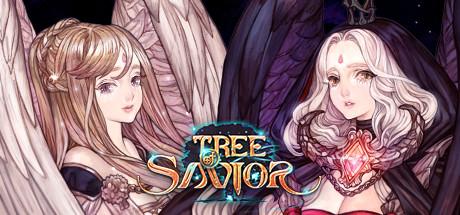
Tree of Savior(abbreviated as TOS thereafter) is an MMORPG in which you embark on a journey to search for the goddesses in the world of chaos. Fairy-tale like colors accompanied with beautiful graphics in TOS will have you reminiscing about precious moments all throughout the game.
Revenue comes from in-game items and microtransactions, which our price-based model doesn't estimate. The player count below is how many people own it, not what they spent.
Charts
Each storefront's own chart, in its own country — the closest public signal to sales where none is published. A country missing from a list is one we don't collect there, not one where the game doesn't chart.
No United States chart position — it charts only in the markets below.
Same day: best CA #56, worst BR #67 · 2 markets collected
About
Genres
Stats
Languages: English, Portuguese - Brazil, German, Simplified Chinese, Portuguese - Portugal, Russian, Thai
Engagement
Reviews
Themes across 99 recent reviews and how positive each mention is. A keyword signal, not full sentiment analysis.
Reviews
it used to be good game, until they begun to sell every new class, so in order to play them you gotta gatchapon expent for 100 USD to maaybe get them, and so, its understandable its a business, and need to get money, but idk, you could sell a DLC the new classes ? at a moderate price? idk it would be a better option and the cosmetics are like innexistant(? at least in store, everything its a gatcha, also no translation to spanish, meh , hopefully RO3 is coming this 2027 !!
Tree of Savior might genuinely have the worst new-player experience I’ve ever seen in an MMO. I actually wanted to like this game. The art style is sick, the classes are cool, the combat is fun, and on paper this should be exactly my kind of game. Too bad actually trying to progress feels like the game is actively trying to make you uninstall. Start fresh? Have fun digging through years of systems, currencies, gear mechanics, unlocks, old progression paths, and content the game barely explains. Use the boost? Cool, now instead of being confused at low level, you’re confused at endgame with 40 systems dumped on your head and absolutely no clue which ones actually matter. Every time I thought I understood what I was supposed to do, there was another wall. Gear score requirement. Raid requirement. Missing materials. Enhancement fails. Some random unlock. Some system nobody explained. Some content I’m apparently supposed to clear even though my character clearly isn’t prepared for it. Then you go look for help and suddenly you’re reading five-year-old guides, Reddit posts, Discord messages, patch notes, and random spreadsheets just to figure out how to increase one number enough to enter the next piece of content. That is insane. I should not need to conduct a ♥♥♥♥♥♥♥ archaeological expedition through old MMO information just to understand how to play the current version of the game. And the boost event doesn’t fix ♥♥♥♥. It just skips the part where you’re slowly confused and replaces it with being instantly confused. The funniest part is I actually kept trying because I liked the game that much. I was sitting there throwing resources into upgrades, banging my head against raids, trying to get one stupid piece of gear where it needed to be, and eventually I realized: I am spending more time fighting the progression system than fighting enemies. That’s when I stopped caring. The game has genuinely good ideas buried under some of the most miserable onboarding and progression design I’ve ever dealt with. If you’re already a veteran and know every system, I’m sure it’s fine. If you’re new? Good ♥♥♥♥♥♥♥ luck. Tree of Savior does not teach you how to play the game. It drops you in the middle of a pile of ten years of MMO systems and basically says: “figure it out, idiot.” I love the aesthetic. I love the class design. I even like the combat. But I’m not wasting more time fighting the game itself just to get to the parts that are supposed to be fun. Cool game. Absolutely ♥♥♥♥♥♥♥ new-player experience.
Media

Related
Related
Price dynamics, follower growth, revenue and sales trajectories with interactive tooltips
This and every other Pro feature is free until October 20, 2026. A free account is all it takes.
Hours played at review time, across 99 reviews with recorded playtime.
positive critical· bar length = how often the theme comes up
stuck in server select. Won't even let me play lol
Mudou minha vida
Tremendamente pay to win, ainda por cima gacha, mas pra se distrair e jogar super casualmente sem objetivo de chegar a lugar algum, o jogo é lindo e a ambientação e trilha sonora incríveis, só peca mesmo no endgame.
Tree of Savior (English Ver.) is a free-to-play MMORPG developed and published by IMCGAMES Co., Ltd. that pays homage to the golden age of online role-playing games while introducing a distinctive visual style and one of the most flexible class systems in the genre. Built around exploration, character progression, cooperative gameplay, and extensive customization, the game offers an experience that feels both nostalgic and ambitious. While many modern MMORPGs focus heavily on streamlined progression and accessibility, Tree of Savior embraces depth, encouraging players to invest time in building unique characters and discovering the many secrets hidden throughout its fantasy world. The adventure takes place in a beautifully crafted realm struggling with instability after the disappearance of divine beings that once protected civilization. Players assume the role of a savior tasked with uncovering the truth behind these events while helping the inhabitants of the world confront growing threats. The narrative gradually unfolds through quests, character interactions, and regional storylines, creating a journey that spans numerous locations and introduces a wide variety of cultures, conflicts, and mysteries. One of the first things players notice is the game's remarkable art direction. The world is presented through a blend of hand-drawn aesthetics and three-dimensional environments that create a distinctive visual identity. Towns, forests, temples, and battlefields are filled with colorful details that make exploration enjoyable even when no immediate objectives are present. Character designs, enemy models, and environmental artwork all contribute to a fantasy setting that feels charming and memorable. Unlike many MMORPGs that pursue realism, Tree of Savior embraces a stylized approach that gives it lasting visual appeal. The class system is undoubtedly the game's defining feature. Rather than limiting players to a handful of traditional archetypes, Tree of Savior offers an enormous roster of classes that can be combined in various ways to create highly personalized builds. Warriors, archers, mages, clerics, summoners, support specialists, and numerous hybrid options are available, allowing players to shape their characters according to their preferred playstyle. The sheer number of possible combinations encourages experimentation and ensures that character progression remains engaging over the long term. This extensive customization adds significant replay value. Two players choosing the same starting class can ultimately develop into entirely different characters depending on their class choices and skill selections. Discovering effective combinations becomes part of the fun, and many players spend considerable time refining their builds to maximize performance in specific activities. The freedom provided by the progression system remains one of the game's most compelling strengths. Combat blends traditional MMORPG mechanics with active skill usage and large-scale encounters. Characters gradually gain access to increasingly powerful abilities that allow them to defeat groups of enemies, support allies, or unleash devastating attacks against powerful bosses. Battles often become visually impressive as multiple skills and effects fill the screen. As players unlock more advanced classes, combat becomes more dynamic and rewarding, encouraging mastery of class-specific mechanics and synergies. Exploration plays a major role in the overall experience. The world contains a vast number of maps, hidden quests, collectibles, dungeons, and optional objectives that reward curiosity. Many areas feature unique enemies, environmental storytelling, and valuable rewards that encourage players to venture beyond the main quest path. This sense of discovery helps make progression feel like an adventure rather than a simple race toward endgame content. The game offers a substantial amount of content for both solo and cooperative players. Story quests provide dozens of hours of progression, while dungeons, raids, challenge modes, world bosses, and guild activities create long-term goals for dedicated players. Cooperative content often requires teamwork and coordination, reinforcing the social aspects that have traditionally defined MMORPGs. Players who enjoy group-oriented experiences will find numerous opportunities to collaborate with others throughout their journey. The soundtrack deserves special recognition. The music consistently enhances the atmosphere of the game's environments, whether players are exploring peaceful villages, traversing dangerous wilderness areas, or confronting powerful enemies. The compositions help establish the emotional tone of different regions and contribute significantly to the immersive quality of the world. Another strength is the game's commitment to progression. New equipment, classes, abilities, and challenges are constantly introduced as players advance. There is a strong sense of accomplishment associated with unlocking powerful skills, improving gear, and overcoming difficult encounters. This steady stream of rewards helps maintain engagement even during longer play sessions. However, Tree of Savior is not without its challenges. The depth of its systems can be intimidating for newcomers, particularly when faced with the enormous number of classes and progression options. Some mechanics are not always explained clearly, which can make the early stages feel overwhelming. Additionally, certain aspects of progression involve grinding for resources, equipment, or experience, which may not appeal to every player. The game's age is occasionally noticeable in its interface design and certain systems that reflect older MMORPG philosophies. While some players appreciate this classic approach, others may find certain mechanics less convenient than those found in newer online games. Population fluctuations and balance changes over the years have also influenced how different content is experienced, particularly for returning players. Despite these shortcomings, Tree of Savior remains one of the more distinctive MMORPGs available. Its combination of beautiful art direction, expansive content, deep customization, and rewarding progression creates an experience that stands apart from many competitors. Few online role-playing games offer such a wide range of class combinations while maintaining a world that feels so visually inviting. For fans of classic MMORPGs, extensive character building, and fantasy adventures filled with exploration and long-term progression, Tree of Savior continues to be a worthwhile journey. Its enormous class variety, memorable visual style, cooperative gameplay, and rich world design provide countless hours of content for players willing to invest in its systems. While its complexity may occasionally create obstacles, the depth and personality of the experience make it one of the more unique entries in the MMORPG genre. Rating: 6/10
The game is nice, but it is dead. If you don't mind to play solo, go for it. But it is very limited. I found bosses sometimes desappear and a few quests are bug. But still, it is a game to go for a few days and come back in a few years when you have nothing to do.
数值崩坏,没意思
ES QUE ES SIMPLEMENTE PERFECTO
Jogo morto
Active players
Estimated daily and monthly active players (DAU/MAU) modeled from peak concurrency.
Players by region
Where this game's players are, estimated from review languages.
Players also reviewed
The games this title's players most often review too — audience affinity.
Related
| Game | Estimated lifetime revenue | Reviews | Review score | Price |
|---|---|---|---|---|
| $0 | 339 | 68% | Free | |
| $0 | 749 | 49% | Free | |
| $0 | 1.6K | 69% | Free | |
| $0 | 39.7K | 77% | Free | |
| $0 | 27 | 44% | Free | |
| — | 0 | — | — |