The Great Plague Exodus developed and published by Priory Games is a narrative-driven survival management game that places players in the midst of one of the most devastating public health disasters in European history. Set during the Great Plague of London in 1665, the game focuses on the desperate journey of an ordinary family attempting to escape the disease-ridden city and find safety in the countryside. Blending elements of resource management, interactive storytelling, and moral decision-making, the game offers a somber experience that emphasizes survival and the human cost of historical tragedy.
The narrative begins in plague-stricken London, where the disease is spreading rapidly through overcrowded neighborhoods and fear dominates daily life. As death tolls rise and quarantine measures intensify, the player must make the difficult decision to leave the city in hopes of reaching safer rural areas. However, escaping London during such a crisis is far from simple. Roads are dangerous, villages are suspicious of outsiders who might carry the infection, and basic necessities such as food and medicine are increasingly scarce. The journey that follows is not just a physical escape but a test of endurance, compassion, and survival instincts.
Players manage a small family unit throughout the journey, and each member of the group has unique attributes and responsibilities. Some characters may be physically stronger and capable of performing labor-intensive work, while others may be more vulnerable to illness or fatigue. Keeping track of each person’s health, morale, and workload becomes a crucial part of the gameplay. Poor management can quickly lead to illness, exhaustion, or even death, which adds weight to every decision the player makes along the way.
A significant portion of the gameplay revolves around securing resources needed for survival. As the family travels between towns and rural settlements, they must find ways to earn money, acquire supplies, and secure shelter. Employment opportunities vary greatly depending on the location and circumstances. Some jobs are relatively safe but pay poorly, while others offer higher income at significant personal risk. For example, working as a gravedigger during the plague might provide desperately needed money but also exposes the character to dangerous levels of infection. These decisions often place players in morally complex situations where financial survival must be balanced against the safety of loved ones.
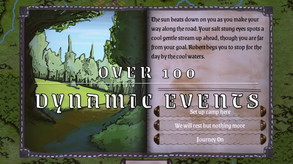
One of the most engaging aspects of The Great Plague Exodus is its dynamic event system. As the family progresses through their journey, they encounter hundreds of narrative scenarios that present choices affecting the outcome of the story. These events might involve encounters with other refugees, suspicious villagers guarding their communities, traveling merchants offering questionable deals, or people in desperate need of help. Each event forces the player to choose how to respond, often without knowing the long-term consequences of their actions. Because many of these situations are randomized, each playthrough creates a slightly different narrative path.
The ethical dilemmas presented throughout the game play a central role in shaping the player’s experience. Survival in a plague-ridden world is rarely straightforward, and many choices carry uncomfortable moral implications. Players may be forced to decide whether to share scarce food with strangers, risk entering infected areas for better supplies, or prioritize the health of certain family members over others. These decisions contribute to a tense atmosphere where compassion and practicality constantly clash.
Visually, the game adopts a modest 2D presentation built around illustrated event panels and interface-driven gameplay. Rather than depicting environments through detailed exploration, the game presents key moments through artwork and descriptive text that accompany narrative events. This approach places the emphasis firmly on storytelling and decision-making rather than graphical immersion. The illustrations help convey the bleak atmosphere of the plague era, showing weary travelers, guarded villages, and scenes of desperation that reinforce the gravity of the situation.
The pacing of the experience is deliberate and contemplative. Much of the game involves reading narrative descriptions, evaluating choices, and managing the family’s resources before moving on to the next location. For players who enjoy narrative strategy or interactive fiction, this slower pace allows the story to unfold gradually and encourages thoughtful decision-making. However, those expecting action-heavy gameplay may find the experience somewhat slow or repetitive over longer sessions.
Historically, the game draws inspiration from real events surrounding the Great Plague, which killed tens of thousands of people in London during the 17th century. By focusing on the perspective of ordinary citizens rather than famous historical figures, the game highlights the everyday struggles faced by families attempting to survive in a time of widespread disease and social breakdown. This perspective helps create a grounded and emotionally impactful narrative that emphasizes human resilience during catastrophe.
Despite its atmospheric storytelling, the game does have some limitations. The gameplay mechanics remain relatively simple compared to more complex survival simulations, and the reliance on text-based events can sometimes make the experience feel repetitive. Some players may also wish for deeper character development or more varied management systems to complement the narrative elements.
Nevertheless, The Great Plague Exodus succeeds in delivering a unique blend of historical storytelling and survival strategy. Its focus on moral decision-making, resource management, and family survival creates a compelling narrative journey through a dark chapter of history. The game does not attempt to provide heroic triumph or dramatic action; instead, it emphasizes the difficult choices and quiet resilience required to endure a disaster.
Overall, The Great Plague Exodus is a thoughtful and somber experience that stands out among indie strategy games for its historical setting and narrative focus. While its mechanics are relatively simple and its pacing slow, the emotional weight of its choices and the authenticity of its historical inspiration make it an engaging experience for players who appreciate story-driven survival games and interactive historical fiction.
Rating Score: 7/10