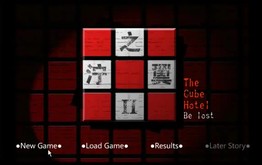
The Cube Hotel (Ning's Wing 2) is a compact yet conceptually ambitious indie puzzle adventure that blends escape-room design with surreal storytelling and multiple narrative outcomes. Developed and published by T34 Studio, the game places a strong emphasis on atmosphere, logic puzzles, and gradual psychological unease rather than action or spectacle. From the outset, it presents itself as a mystery meant to be unraveled through patience and observation, inviting players into a strange, geometric hotel that feels deliberately disconnected from normal reality.
The story follows Dana Ni, a pop singer who arrives at the Cube Hotel for what should be a relaxing trip with her close friend Seven. That expectation collapses when Dana awakens alone in Room 301 and discovers that Seven has vanished without explanation. The hotel itself quickly becomes the central antagonist: a rigid, cube-like structure filled with locked doors, hidden mechanisms, and rooms that seem to defy logic. Narrative details are revealed gradually through exploration, environmental clues, and fragments of dialogue, creating a sense of creeping dread rather than overt horror. The game avoids heavy exposition, instead letting the player piece together meaning through context and repeated encounters with the hotel’s strange rules.
Gameplay is rooted firmly in classic escape-room conventions. Players move Dana from room to room, solving puzzles that rely on careful inspection, pattern recognition, inventory usage, and environmental interaction. There are no combat systems or time pressures, which keeps the focus entirely on reasoning and exploration. Many puzzles require players to think laterally, often asking them to reconsider earlier assumptions or revisit previous rooms with new information. This design encourages attentiveness and experimentation, rewarding players who take their time to observe small details rather than rushing forward.
One of the most notable aspects of The Cube Hotel is its scale relative to its simplicity. The game contains dozens of rooms—nearly fifty in total—each contributing a small piece to the overall mystery. While individual puzzles are usually self-contained, their cumulative effect creates a sense of steady progression deeper into the hotel’s secrets. The experience can feel methodical, sometimes even repetitive, but for fans of escape-room logic, this repetition reinforces the feeling of being trapped in a system designed to test persistence as much as intelligence.
Narrative branching adds an additional layer of depth. Player choices and puzzle routes influence how the story unfolds, leading to multiple paths and a wide range of endings. These outcomes vary in tone and implication, encouraging replay for those curious about the hotel’s true nature and Dana’s fate. While the branching does not dramatically alter moment-to-moment gameplay, it does meaningfully change the conclusions, making the game feel less like a single linear mystery and more like a puzzle box with multiple solutions.
Visually, the game adopts a stylized, anime-influenced aesthetic that favors mood over realism. Environments are often stark and sterile, reinforcing the hotel’s unnatural geometry, while character art provides emotional contrast and helps ground the story in human perspective. The presentation is modest and sometimes dated, but it effectively supports the unsettling tone. Sound design is minimal, relying on ambient silence and subtle audio cues to heighten tension and keep players focused on their surroundings rather than overwhelming them with music.
The Cube Hotel’s greatest strengths—its puzzle density and abstract storytelling—are also where it can falter. Some puzzles can feel obscure or unintuitive, leading to moments of frustration when logic is not immediately clear. Pacing can also be uneven, with stretches of strong engagement followed by slower sections that test patience more than reasoning. These rough edges contribute to its mixed reception, as players either appreciate its uncompromising escape-room focus or find it lacking refinement and accessibility.
Taken as a whole, The Cube Hotel (Ning’s Wing 2) is a niche but memorable puzzle adventure that values structure, mystery, and player interpretation over hand-holding or spectacle. It is best suited for players who enjoy escape-room logic, abstract narratives, and the satisfaction of unraveling a mystery piece by piece. While it may not appeal to those seeking polished presentation or fast-paced gameplay, it offers a dense, thoughtful experience that rewards curiosity and persistence, standing as an intriguing example of how small indie projects can explore complex ideas through simple mechanics.
Rating: 5/10