The two parallel worlds of Oricai and Anticai are faced with the same devastation caused by Calamities. You must see the world through the eyes of Lucia, a teenaged girl thrown into a war torn continent in the world of Oricai, as the world around her if being consumed by darkness.
Modeled estimate, not a reported figure. How we estimate →
Media

About
Stats
All-time low is the lowest price we've recorded for this game since we started tracking it.
Languages: English
Engagement
Hours played at review time, across 27 reviews with recorded playtime.
Reviews
🧝♀️📖This epic fantasy tale is enchantingly immersive and richly detailed! Journey through mystical realms with deep storytelling ✨, heroic quests, and magical wonders. A captivating adventure for fantasy enthusiasts!
Fun game! Cute characters and engaging storyline. Developer is very quick to respond and help if you come up on any issues. After reading some threads on the discussion board, I see I missed some content that was outside of the main plot because it can be tricky to find some of the NPCs to trigger sidequests, so maybe that could be reworked. Otherwise a lot of fun!
el juego no lo jugue pero probablemente sea una poronga solo farm de cromos pa
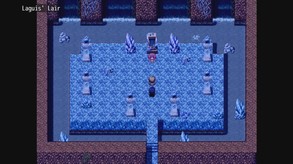
Tales of the Lumminai, developed and published by SenRufu Studios, is an expansive indie RPG that leans heavily into classic design traditions while attempting to deliver a story of larger scale than most projects of its kind. Built with RPG Maker foundations, it embraces the familiar structure of exploration, turn-based combat, and party management, but distinguishes itself through its ambition—particularly in its narrative, which spans multiple perspectives and parallel worlds. It’s a game that clearly aims high, even if its execution doesn’t always match the scope of its ideas. The story is one of the game’s central pillars, following events that unfold across two interconnected worlds facing existential threats. Players primarily experience the journey through Lucia, a young protagonist navigating a war-torn landscape, while a secondary narrative thread follows another character whose decisions gradually intersect with hers. This dual perspective gives the story a sense of scale and interconnection, suggesting a larger web of cause and effect beneath the surface. While the narrative structure is compelling in concept, its pacing can be uneven, occasionally rushing through important developments or lingering too long on less impactful moments. Even so, there is a clear effort to build a world that feels layered and interconnected, with stakes that extend beyond a single character’s journey. Gameplay follows a traditional turn-based RPG format, with exploration and combat forming the core loop. Players assemble a party from a large pool of recruitable characters, each bringing their own abilities and roles into battle. This variety encourages experimentation, allowing players to tailor their team to different strategies and preferences. While the sheer number of available characters adds to the game’s sense of scale, not all of them receive equal depth in terms of development, which can make some feel more like functional additions than fully realized companions. Combat introduces a unique mechanic through the Lumminai themselves—entities that can bond with characters to grant new abilities and enhance their combat potential. This transformation system adds an extra layer of customization, giving players more control over how their party evolves over time. While the idea is intriguing, its impact on gameplay can feel somewhat limited, often functioning as a gradual power increase rather than a system that fundamentally changes how battles are approached. Even so, it provides enough variation to keep combat from becoming entirely routine. Beyond the main storyline, the game offers a substantial amount of side content. Optional quests, crafting systems, and a hub-building feature allow players to engage with the world in ways that go beyond linear progression. These elements help flesh out the experience, giving players reasons to explore and invest in the game’s systems. The inclusion of a day-night cycle and shifting NPC behavior adds a subtle sense of life to the world, though these features are more atmospheric than transformative in terms of gameplay. Visually, Tales of the Lumminai adheres to the familiar RPG Maker aesthetic, with pixel-based environments and simple character sprites presented from a top-down perspective. While this approach ensures clarity and accessibility, it also limits the game’s visual impact. The environments are functional but lack detail, and animations are minimal, which can make the presentation feel dated compared to more polished indie RPGs. However, this simplicity also allows the game to focus on its systems and storytelling without unnecessary distraction. The game’s biggest challenge lies in its overall polish. As an indie project with considerable ambition, it occasionally struggles with consistency. Interface design can feel clunky, navigation is not always intuitive, and certain elements of the presentation lack refinement. Dialogue quality can vary, and the balance between serious narrative moments and lighter interactions is not always seamless. These issues do not overshadow the experience entirely, but they do highlight the gap between the game’s aspirations and its execution. Despite these shortcomings, Tales of the Lumminai remains a compelling experience for players who appreciate traditional RPG design and are willing to look past rough edges. Its strength lies in its scope—the sheer amount of content, the interconnected narrative, and the variety of systems it attempts to bring together. It may not achieve the level of polish seen in larger productions, but it offers a sense of scale and ambition that is rare in similarly sized projects. In the end, the game feels like a passion-driven effort, one that prioritizes storytelling and content over technical refinement. For players who enjoy classic RPG Maker titles and are drawn to expansive, story-focused adventures, it provides a lengthy and engaging journey. While it may not fully realize all of its ideas, it succeeds in delivering a memorable experience that stands out through its ambition and dedication to its vision. Rating: 6/10
Let me start by saying I have never been a fan of RPG games, so I haven't played many of them. Most RPG games don't grab my attention. This however, seems to be a good effort for an indie game. Art is cute, story is simplistic and music is okay. Save game feature could've been better. Overall, this game has been enjoyable and decent experience. 7/10. Recommended.
Классическая JRPG с двумя параллельными сюжетами в мирах Oricai и Anticai. 35+ союзников, отношения с персонажами, динамичный мир с циклом дня/ночи - но графика и бои устаревшие. 6/10, подойдёт фанатам старой школы.
The game was freezing alot, I couldn't do anything most of the times.
░░░░░░░░░░░████ ░░░░░░░░░░░█░░█ ░░░░░░░░░░█░░░█ ░░░░░░░░░█░░░░█ ██████▄▄█░░░░░███▄ ▓▓▓▓▓█░░░░░░░░░░░░█ ▓▓▓▓▓█░░░░░░░░░░░░█ ▓▓▓▓▓█░░░░░░░░░░░░█ ▓▓▓▓▓█░░░░░░░░░░░░█ ▓▓▓▓▓█░░░░░░░░░░░░█ ▓▓▓▓▓█░░░░░░░░░░░ ░░░░░░░░░░░░▀▀
鼓励性好评,不推荐。 202211下,t a o宝,支付宝红包,杉果,本平台,本平台充值折扣掉卡,indie gala,fanatical,humble,daily indie game,loot boy,它处自定义包入的本体约3元。爱人如己,目前就这,看以后追评。有中文的游戏请耐心自研体验乐趣,攻略指南尽量不用。不建议使用外挂,插件,作弊之类的,游戏都要这样搞,那现实里那更是如此了。兄弟萌,强烈建议不要第三方平台的小店买y u额,通过饰品等挂steam市场转的,高概率red信乃至封号,且行且珍惜。
нет
Related
Related
Trends
Modeled estimate over time, reconstructed from Steam's monthly review histogram.
Momentum
Pace estimated from the game's recent review growth (our daily snapshots) at its own sales-per-review ratio — a momentum signal, not booked sales.
Audience
Estimated from the language of this game's reviews — a proxy for where players are, not official Steam demographics.
Related
| Magdalena | $4.2K | 371 | 44% | $0.67 |
| 西门立志传 | $4.2K | 57 | 37% | $3.59 |
| Unplugged | $4.2K | 84 | 67% | $3.99 |
| Scar of the Doll | $4.2K | 70 | 89% | $3.99 |
| Occupation 2.5 | $4.2K | 63 | 79% | $3.99 |
| Francisca | $4.2K | 380 | 62% | $0.99 |