Room 42, developed and published by Akumu Games, is a compact but carefully structured indie horror adventure that places narrative tension and character interaction at the forefront of its design. Built using a traditional RPG Maker framework, the game embraces its technical simplicity and instead focuses on atmosphere, mystery, and psychological unease. The premise immediately establishes a sense of disorientation and confinement: the protagonist awakens in a locked room alongside five strangers, while reports of a horrifying outbreak filter in from beyond the walls. From the beginning, the game makes it clear that survival will depend less on reflexes and combat prowess and more on observation, decision-making, and understanding the people trapped beside you.
The gameplay experience is primarily driven by exploration and dialogue. Players move through a limited set of environments, interacting with objects, examining surroundings, and engaging in conversations that slowly reveal both the broader situation and the personal histories of the other characters. Puzzles are present but restrained, designed to support narrative progression rather than interrupt it. These interactions often feel intimate, reinforcing the claustrophobic setting and the feeling that every piece of information matters. The confined scale of the world works in the game’s favor, creating a sense of pressure and inevitability as events unfold within a small, inescapable space.
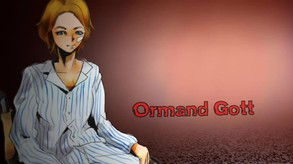
Character writing is one of Room 42’s strongest elements. Each of the five strangers sharing the room has a distinct personality, emotional arc, and set of motivations. Through conversation choices and story progression, players gradually learn about their fears, secrets, and reactions to the unfolding crisis. These relationships are not merely decorative; they influence how events play out and help determine which endings become available. The focus on interpersonal tension adds depth to the horror, shifting it away from external threats alone and toward the psychological strain of being trapped with people you barely know in a dangerous, uncertain situation.
Rather than relying on constant jump scares or action-heavy sequences, Room 42 builds its horror through atmosphere and implication. Much of the fear comes from what the player cannot see: the sounds beyond the walls, fragmented information about the outbreak, and the unsettling realization that the room itself may not be as safe as it seems. Moments of heightened tension do occur, occasionally breaking the slower pacing, but these are used sparingly. The result is a slow-burn horror experience that prioritizes dread and anticipation over shock value, making it especially appealing to players who prefer psychological horror over traditional survival mechanics.
Visually, the game adopts a minimalist 2D presentation typical of RPG Maker titles. Character sprites and environments are simple, but effective use of lighting, framing, and sound design helps compensate for the lack of visual complexity. The limited environments reinforce the sense of confinement, while subtle audio cues and ambient music contribute significantly to the mood. The soundtrack, understated but eerie, supports the narrative pacing and heightens emotional moments without overwhelming the player.
Room 42 is relatively short, with a single playthrough typically lasting only a few hours. However, the presence of multiple endings gives it some replay value, encouraging players to revisit the story and make different choices to uncover alternative outcomes. These variations are rooted in narrative decisions rather than mechanical divergence, meaning replayability is primarily driven by curiosity about the story rather than drastically different gameplay experiences. For players who enjoy narrative experimentation and seeing how subtle choices affect outcomes, this structure can be rewarding.
Overall, Room 42 is a focused, story-driven horror experience that understands its limitations and plays to its strengths. It does not attempt to deliver expansive worlds, complex combat systems, or high-end visuals. Instead, it offers a tightly paced narrative built around atmosphere, character interaction, and psychological tension. While its simplicity and short length may leave some players wanting more, those who appreciate slow-burning horror and narrative-focused indie games will find Room 42 to be a memorable and unsettling experience that lingers beyond its modest runtime.
Rating: 6/10