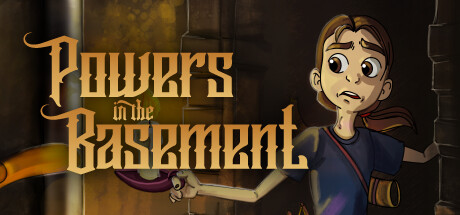
A short point-and-click adventure game set in a comedic medieval fantasy world, deliberately reminiscent of the great classics from the 80s / 90s, with a specific sweet spot for LucasArts production.
Revenue comes from in-game items and microtransactions, which our price-based model doesn't estimate. The player count below is how many people own it, not what they spent.
Prices
The United States storefront in every case, so this compares stores and not countries.
About
Genres
Stats
Languages: English, French, Italian, German, Spanish - Spain, Portuguese - Brazil, Portuguese - Portugal, Catalan
Sums Steam only; GOG publishes no volume signal, so the true total is higher by an unknown amount.
| Store | Price | Audience | Score | Chart | Est. revenue |
|---|---|---|---|---|---|
SteamYou are here | Free | 79reviews | 86% | — | $0 |
| Free | 43ratings | 82% | — | not modelled |
Engagement
Reviews
Themes across 42 recent reviews and how positive each mention is. A keyword signal, not full sentiment analysis.
Reviews
Powers in the Basement, developed and published by Illiterate Code Games, is a retro-inspired point-and-click adventure that captures the spirit of classic puzzle-driven games while building its own personality through humor, fantasy elements, and intentionally old-school design philosophy. Created as an adventure that values exploration and problem-solving over fast action or modern convenience systems, it delivers an experience that feels like a tribute to earlier generations of adventure gaming while maintaining enough originality to avoid becoming purely nostalgic imitation. The story follows Will Phail, a teenager who hardly resembles a traditional fantasy hero. He is unmotivated, spoiled, and more interested in his personal comfort than grand adventures or heroic responsibilities. When a seemingly ordinary problem involving his missing T-shirt pushes him into investigating strange events connected to his home, an unexpectedly bizarre adventure begins to unfold. What initially appears trivial slowly transforms into something much stranger involving mysteries hidden beneath familiar surroundings and discoveries that extend far beyond ordinary teenage concerns. One of the game’s strongest qualities comes from how effectively it builds comedy into progression. The writing consistently embraces absurdity without losing focus on the adventure itself. Conversations frequently lean into playful humor and exaggerated situations while maintaining enough consistency to keep players invested in uncovering what happens next. The game never takes itself too seriously, and that lighter tone becomes one of its biggest strengths. Puzzle-solving serves as the foundation of nearly every major interaction. Players explore locations, collect items, examine environments, and gradually piece together solutions by carefully observing details and experimenting with available tools. The design avoids simplifying challenges too aggressively, encouraging players to think creatively rather than relying on constant guidance. Progress often comes through logical experimentation and paying attention to environmental clues. Fans of traditional point-and-click adventures will likely appreciate how strongly the game commits to classic genre principles. Inventory management, environmental interaction, and slower-paced exploration all play central roles throughout progression. The experience rewards patience and curiosity rather than quick reflexes, creating satisfying moments when seemingly disconnected clues suddenly fit together naturally. The fantasy setting also contributes heavily to the game’s identity. While medieval-inspired influences shape much of the world, Powers in the Basement frequently mixes those ideas with unexpected humor and unusual situations that prevent environments from feeling overly familiar. Strange encounters and unpredictable developments consistently reinforce the playful atmosphere while helping exploration remain engaging. The central mystery unfolds at a comfortable pace. Rather than revealing everything immediately, the story gradually introduces new questions and strange discoveries that maintain curiosity throughout progression. The basement itself becomes more than simply a location. It functions as the gateway toward larger mysteries that slowly transform what initially appears to be a small personal problem into something far more unusual. Visual presentation reinforces the game’s retro identity effectively. Pixel art environments and character designs capture the feel of older adventure titles while remaining visually clear and readable during exploration. The presentation prioritizes personality and atmosphere over visual realism, which suits the game’s nostalgic ambitions particularly well. Audio design also supports immersion successfully. Music helps reinforce both comedy and mystery depending on the situation, while sound effects strengthen environmental interaction without overwhelming the experience. Together, presentation and audio create an atmosphere that consistently feels committed to its old-school inspiration. The pacing benefits significantly from the game’s focused structure. Powers in the Basement avoids unnecessary padding and instead delivers a tightly constructed adventure where progression remains steady without feeling rushed. The moderate length helps preserve momentum while preventing puzzle-solving from becoming exhausting. There are moments where the classic design philosophy may create challenges for modern audiences. Some puzzles require experimentation and patience that newer players unfamiliar with older adventure games may initially find demanding. The game rarely rushes to provide solutions, expecting players to engage thoughtfully with its systems rather than relying on constant assistance. However, that commitment to traditional adventure design ultimately becomes one of the game’s defining strengths. Illiterate Code Games clearly built the experience for players who enjoy discovery-driven progression and puzzles that reward observation. The result feels focused rather than outdated. What makes Powers in the Basement particularly enjoyable is how confidently it commits to its identity. It does not attempt to modernize every classic mechanic or chase larger trends. Instead, it delivers a puzzle-focused fantasy adventure built around humor, mystery, and exploration while respecting the traditions that inspired it. For players who appreciate retro adventure games, thoughtful puzzles, comedic storytelling, and exploration-driven progression, Powers in the Basement delivers an entertaining experience filled with charm and personality that successfully captures the spirit of classic point-and-click adventures. Rating: 8/10
Media

Related
Related
Price dynamics, follower growth, revenue and sales trajectories with interactive tooltips
This and every other Pro feature is free until October 20, 2026. A free account is all it takes.
Matched by title — a reused name can pair the wrong games. * is a critic aggregate. Prices and positions are each store's United States storefront; Epic charts worldwide. Audience and Score too, except Steam's, which is worldwide.
Hours played at review time, across 42 reviews with recorded playtime.
positive critical· bar length = how often the theme comes up
very nice little adventure game 5 of 5 from me
Selling now
See how fast this game is selling right now — estimated copies and revenue per day from recent review growth.
Players by region
Where this game's players are, estimated from review languages.
Related
| Game | Estimated lifetime revenue | Reviews | Review score | Price |
|---|---|---|---|---|
| $6.5K | 34 | 91% | $11.99 | |
| $4K | 27 | 81% | $8.99 | |
| $5.5K | 24 | 88% | $9.99 | |
| $530 | 3 | 100% | $8.99 | |
| — | 0 | — | — | |
| — | 0 | — | — |