Feudalism, developed by Imagimotion and IV Productions and published by IV Productions, is an ambitious turn-based strategy game that attempts to capture the sweeping scope of medieval history in a single experience. Set between 800 AD and 1492, it invites players to take control of a royal dynasty and guide it through centuries of social, political, and technological change. It’s a game that aspires to blend grand strategy with personal narrative, placing equal emphasis on family legacy, diplomacy, and the survival of one’s realm. The concept is bold—combining generational management with the slow burn of empire-building—but the execution reveals a game that struggles to match its ambition with consistent depth or polish.
At its foundation, Feudalism tasks the player with maintaining and expanding a medieval dynasty through time. You are not just a ruler, but the caretaker of an evolving lineage. The game allows you to manage resources, conduct diplomacy, build armies, forge alliances through marriage, and adapt to the changing conditions of medieval Europe. Events such as famine, plague, and natural disasters are woven into the experience, creating an unpredictable world where the strength of your realm is constantly tested. The structure of the game encourages long-term thinking; decisions made by one generation can ripple across centuries, shaping the fortune or downfall of your bloodline. This multi-generational approach offers a sense of continuity rare among strategy titles, turning your dynasty into both your army and your narrative.
The management systems at the heart of Feudalism are varied but not always harmonious. On paper, the blend of economic control, diplomacy, and warfare should create a rich tapestry of strategic options. In practice, the systems feel disconnected and occasionally underdeveloped. Each turn presents a set of administrative tasks—allocating resources, maintaining stability, and expanding influence—but the mechanics that support these tasks can feel static. The interface, while functional, has been widely criticized for its clunkiness and lack of intuitiveness, often making it difficult to fully grasp how one decision will affect another. The AI behavior is similarly inconsistent; rival factions sometimes act with unpredictable aggression or nonsensical diplomacy, which undermines the sense of historical realism that the game strives to achieve. Despite these issues, there are flashes of brilliance—moments when a marriage alliance prevents a war or a carefully timed trade agreement saves your economy from collapse—that reveal the thoughtful core of the design.
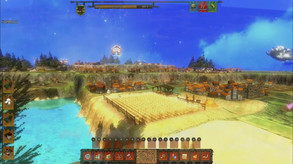
Where Feudalism does succeed is in its sense of scale and atmosphere. The centuries-long timeline gives weight to every move, and the cyclical rhythm of prosperity and hardship echoes the ebb and flow of real history. Watching your dynasty survive through famine, plague, and war carries a quiet satisfaction. The game’s pacing encourages patience, inviting players to think like true rulers rather than impulsive conquerors. Its art direction, though simple, evokes a certain medieval charm through muted colors and minimalistic design. The soundscape complements the experience with subdued, almost somber tones that match the contemplative nature of the gameplay. There are no grand cinematics or elaborate animations, but the minimal presentation helps maintain focus on the strategic layer.
However, the same qualities that make Feudalism ambitious also limit its accessibility. The pacing, though historically appropriate, can feel slow to the point of monotony. Many turns pass without notable change, and the repetition of similar tasks—maintaining farms, raising troops, arranging marriages—can make the experience feel mechanical. While the inclusion of natural disasters and random events adds some unpredictability, they rarely alter the broader trajectory of the game. The lack of narrative flair or visual feedback means that much of the gameplay unfolds through static menus and numbers, which may leave players yearning for more immersion. In a genre defined by intricate systems and emergent storytelling, Feudalism struggles to balance its historical detail with engaging moment-to-moment gameplay.
Technically, the game performs well enough, but its presentation and usability reflect its modest production scale. The visuals are serviceable but dated, and the interface often feels designed for functionality rather than clarity. While the developers clearly intended to create an accessible turn-based experience, the learning curve can still be steep due to limited in-game guidance. Once mastered, however, the systems reveal a degree of flexibility that rewards perseverance. Players who enjoy experimenting with strategies, observing long-term consequences, and imagining their own stories within the framework of history will find value here. The low system requirements and cross-platform support make it approachable from a technical standpoint, even if its complexity and pacing limit its broader appeal.
Feudalism is a game defined by ambition and imperfection in equal measure. It reaches for the grandeur of dynastic strategy on the scale of medieval Europe but lacks the cohesion and polish to fully realize that vision. Its mechanical depth is often buried beneath cumbersome interfaces and inconsistent AI, yet its underlying concept—the struggle to preserve a family’s name across the ages—remains compelling. It may not rival the refinement of genre giants, but it offers an intriguing glimpse into what a small studio can achieve with vision and persistence. For patient players who can look past its rough edges, Feudalism can be a rewarding slow-burn experience, one that captures the relentless passage of time and the fragile nature of legacy. For others, its ambition may be more admirable than enjoyable, but even then, it stands as an earnest experiment in historical strategy that dares to think centuries ahead.
Rating: 4/10