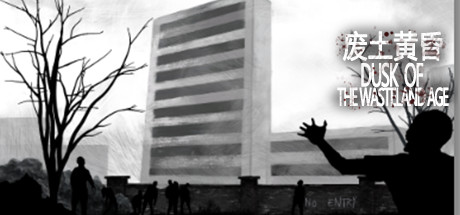
废土黄昏: Dusk of the Wasteland Age is an indie survival strategy game developed and published by 香蜂草 that blends post-apocalyptic storytelling with tactical decision-making and card-driven mechanics. Set in a grim world devastated by a zombie outbreak, the game attempts to capture the tension and uncertainty of surviving in a collapsed civilization. Instead of focusing purely on action or traditional role-playing systems, the game mixes exploration, survival management, and card-based combat into a structure that emphasizes careful planning and resource conservation. While the project is clearly a small independent production, its ambition lies in merging several gameplay ideas into a single survival experience.
The narrative takes place roughly a year after a global catastrophe has transformed society into a wasteland overrun by the undead. Cities have fallen silent, governments have disappeared, and survivors are left to fend for themselves among abandoned structures and dangerous ruins. Players assume the role of a survivor searching for supplies within an abandoned hospital complex, one of the few remaining places where medical resources might still be found. However, the location is far from safe. The building and its surrounding areas have become a breeding ground for zombies and desperate survivors alike, creating an environment where danger can emerge at any moment.
The game allows players to choose from several different characters, each possessing unique attributes that influence how they approach survival. Some characters may have better endurance or combat ability, while others might excel at managing resources or navigating dangerous environments. These variations create different playstyles and encourage experimentation across multiple playthroughs. Because survival is difficult and unpredictable, selecting the right character can significantly affect the player’s chances of enduring the hostile conditions of the wasteland.
Exploration is one of the core elements of Dusk of the Wasteland Age. Players navigate a procedurally generated map that changes with each new run. Rooms within the hospital, corridors, storage areas, and surrounding locations are randomized, ensuring that no two playthroughs unfold exactly the same way. This procedural structure encourages careful exploration as players search for valuable supplies, weapons, and safe areas where they can rest. Every decision carries weight, as venturing deeper into dangerous territory may reveal valuable resources but also increase the risk of encountering deadly threats.
One of the most distinctive features of the game is its card-based system for equipment and combat. Rather than equipping traditional items through inventory menus, weapons and tools are represented as cards that determine the actions available to the player. When engaging in combat, the game generates possible attacks or defensive moves based on the cards currently in the player’s possession. This system introduces a strategic layer where players must manage their card collection carefully to ensure they are prepared for difficult encounters. Weapons also have durability limits, meaning players cannot rely on a single powerful item indefinitely.
Combat itself takes place in a turn-based format where players must evaluate their options before committing to an action. Zombies and other hostile entities can appear suddenly during exploration, forcing players to react quickly and choose the most effective strategy based on their available cards. Because resources are limited, even seemingly minor battles can become dangerous if the player enters them unprepared. Victory often depends on making efficient use of attacks, defensive maneuvers, and consumable items.
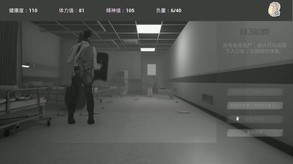
Survival management adds another layer of tension to the gameplay. As players explore and fight enemies, their characters gradually lose health, stamina, and psychological stability. These attributes represent the physical and mental toll of surviving in a hostile environment. If these conditions deteriorate too far, the character becomes less effective in combat and may eventually die. To prevent this, players must locate safe rooms where they can rest and recover, creating a constant balance between exploration and self-preservation.
Encounters with other survivors introduce additional unpredictability to the experience. Not every human encountered in the wasteland is friendly. Some survivors may offer assistance or trade valuable items, while others might attack in an attempt to steal resources. These interactions reinforce the bleak nature of the setting, reminding players that human desperation can be just as dangerous as the undead roaming the ruins.
Visually, the game uses a stylized presentation that combines 2.5D environments with hand-drawn character artwork. The environments emphasize dark corridors, abandoned rooms, and decaying infrastructure, creating a gloomy atmosphere that reflects the collapse of civilization. Although the graphics are relatively simple compared to larger survival games, the art direction successfully conveys the feeling of isolation and danger that defines the post-apocalyptic setting.
The sound design further enhances the tension of exploration. Subtle ambient noises echo through empty hallways, while occasional sound effects signal approaching threats or environmental changes. These audio cues help maintain a sense of unease as players move through the deserted hospital, constantly aware that danger could emerge from any direction.
Despite its creative ideas, the game does face several limitations. Some of the mechanics, particularly the card-based systems, can initially feel confusing due to limited in-game explanations. Players may need time to fully understand how different systems interact with each other. Additionally, the game’s development status has left certain elements feeling unfinished or lacking polish, which may impact the overall experience for players expecting a more refined product.
Nevertheless, 废土黄昏: Dusk of the Wasteland Age remains an intriguing indie experiment that attempts to combine survival simulation with tactical card mechanics. Its procedural exploration and challenging survival systems offer a unique take on the zombie apocalypse theme, rewarding players who enjoy strategic planning and risk management rather than fast-paced combat.
In the end, the game stands as a creative but somewhat rough survival experience. While it may not achieve the level of polish found in larger titles, it still offers an interesting mixture of mechanics that can appeal to players interested in experimental indie projects and slower, strategy-focused survival gameplay.
Rating: 6/10