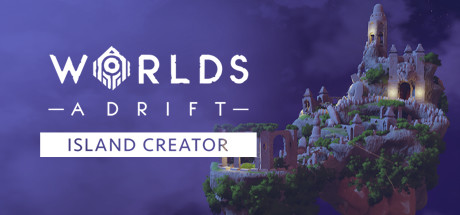
Worlds Adrift is a Community-Crafted MMO: each and every island has been crafted by our playerbase. With the free Island Creator tool, this is your chance to create your own adventure for the community to experience. A crumbling ruin, or a teeming jungle, help expand the edges of Foundation ever further!
Revenue comes from in-game items and microtransactions, which our price-based model doesn't estimate. Copies below reflect the player base, not paid sales.
Media

About
Genres
Stats
Languages: English**languages with full audio support
Engagement
Reviews
Themes across 40 recent reviews and how positive each mention is. A keyword signal, not full sentiment analysis.
Reviews
stopkillinggames.com
☀️
A lot of content still I can't found tutorial though.
Related
Related
Trends
Concurrent players on Steam, sampled daily since tracking started.
Hours played at review time, across 40 reviews with recorded playtime.
positive critical· bar length = how often the theme comes up
you do very well to remember these developers and avoid at all cost
..
.
can build ships
섬을 제작하는 게임 겸 FPV 드론 시뮬레이터?인데 힐링 속성이 많이 섞여서 좋음. 샌드박스류 게임에 FPV 드론 기능을 정식으로 넣은건 이 게임이 유일함. 그리고 무료라서 추천을 안 줄수가 없네
en lo unico que me gustaria que sumaran fuera que se pueda jugar y crear otra ves los barcos es un juego muy interesante podria usar las creaciones de la comunidad para crear otra ves el mundo por ejemplo pases o mejorar para poder gestionar las ganancias del juego a su anterior modelo en antaño no pierde su potencial podria ser mas economico eso
Worlds Adrift Island Creator was a unique creative sandbox tool built to let players design floating islands and environmental structures for the ambitious online world of Worlds Adrift. While it was never intended to function as a traditional standalone game, the software still managed to become an impressive platform for creativity, environmental storytelling, and collaborative worldbuilding. Its main appeal came from allowing players to actively shape part of a larger multiplayer universe by constructing explorable airborne landscapes filled with ruins, settlements, hidden paths, and imaginative structures suspended high above the clouds. The concept behind the editor was immediately appealing because of the setting itself. Worlds Adrift revolved around massive floating islands drifting through the sky, connected by airship travel and open-world exploration. The Island Creator gave players direct access to the tools needed to build these locations themselves. Instead of simply designing decorative scenery, creators were crafting spaces intended for real players to explore within the multiplayer world. This gave every island a sense of purpose beyond simple artistic experimentation. One of the strongest aspects of the software was the amount of creative freedom it offered. Players could sculpt terrain, raise cliffs, create caves, construct buildings, place vegetation, and assemble large-scale ruins using a variety of environmental assets. The floating-world setting naturally encouraged unusual and imaginative designs because islands were not restricted by realistic geography. Massive broken structures hanging in the sky, abandoned mechanical facilities, hidden forests, and dangerous vertical exploration routes all felt perfectly natural within the game’s universe. The visual style contributed heavily to the atmosphere. The game’s steampunk-inspired aesthetic gave creators access to rusted machinery, weathered architecture, ancient ruins, and floating industrial technology that created a strong sense of mystery and adventure. Even relatively simple creations often looked visually impressive because of the dramatic sky environments, cloud-filled horizons, and soft atmospheric lighting surrounding the floating islands. What made the Island Creator especially interesting compared to many other level editors was its focus on exploration design. Players were not just creating environments to look attractive but designing spaces meant to be traversed by others. Traversal routes, hidden secrets, climbing opportunities, and environmental storytelling all became important parts of the creative process. Builders had to think about how players would physically move through the islands and what discoveries might reward curiosity and exploration. The terrain editing systems themselves were fairly accessible for newcomers while still providing enough flexibility for more dedicated creators. Basic land shaping and object placement felt intuitive enough that players could begin experimenting quickly without spending hours learning overly technical systems. More advanced creators could invest significant time into refining details, layering environmental storytelling, and building highly intricate floating structures. The community-driven design philosophy was easily one of the project’s most ambitious ideas. Knowing that player-made islands could potentially appear in the live multiplayer world gave the editor a level of significance rarely seen in similar creative tools. Players were not simply modding a game privately but contributing directly to a shared online universe. This collaborative approach made the creative process feel meaningful because successful creations had the potential to become real destinations explored by thousands of players. Atmosphere was another major strength throughout the editing process. Simply flying around floating islands surrounded by endless skies and distant clouds created a relaxing and inspiring mood. The world itself naturally encouraged creativity because every island felt like part of a giant forgotten civilization drifting through the atmosphere. Even while simply building structures or adjusting terrain, the setting constantly reinforced a sense of wonder and exploration. However, the software did have several limitations. While the creative freedom was impressive, the editing tools occasionally lacked precision during more detailed construction work. Certain placement systems could feel awkward, and creators attempting highly intricate designs sometimes had to struggle against the editor rather than work smoothly with it. Asset variety was also somewhat limited over long periods of use, causing many islands to eventually share similar architectural themes and environmental details. Performance could become inconsistent as well, especially when handling large and heavily detailed creations. Complex islands packed with structures, vegetation, and environmental objects occasionally caused technical slowdowns or management difficulties. The interface, while approachable overall, sometimes felt clunky during advanced editing tasks or when fine-tuning detailed environmental layouts. The biggest issue surrounding the Island Creator ultimately came from the shutdown of Worlds Adrift itself. Since the main multiplayer game no longer exists, much of the editor’s original purpose disappeared alongside it. Many creations were designed specifically to become part of a living online world, and without that larger ecosystem, the software feels incomplete as a standalone experience. Even so, the Island Creator still remains an interesting showcase of what community-driven worldbuilding could have become on a larger scale. What ultimately made Worlds Adrift Island Creator memorable was the imagination it encouraged. The floating-island setting naturally inspired adventurous designs, and the ability to directly influence a shared multiplayer world gave the creative process genuine excitement. Few editing tools have captured the same feeling of collaborative exploration and environmental storytelling quite as effectively. Worlds Adrift Island Creator may now feel like a remnant of a lost multiplayer experiment, but it still stands as an impressive and creative sandbox tool filled with ambition and atmosphere. Despite technical limitations and the unfortunate fate of the main game, the editor succeeded in giving players the freedom to craft beautiful floating worlds and participate directly in the creation of a larger shared universe. Rating: 8/10
Momentum
Pace estimated from the game's recent review growth (our daily snapshots) at its own sales-per-review ratio — a momentum signal, not booked sales.
Audience
Estimated from the language of this game's reviews — a proxy for where players are, not official Steam demographics.