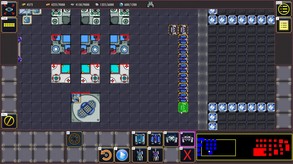
Wisdom of War is a real-time strategy game with unique style. Different from general real-time strategy game, the game only needs to operate a hero for various activities. This greatly reduces the demands for hands’ operation speed in traditional real-time strategy game so that players can focus on strategy application.
Modeled estimate, not a reported figure. How we estimate →
Media

About
Genres
Stats
All-time low is the lowest price we've recorded for this game since we started tracking it.
Languages: English, Simplified Chinese
Reviews
Wisdom of War is a "simple" top down RTS game where you build buildings and advance a tech tree, controlling a single unit. The simplicity here is only in the low effort graphics, gameplay is modestly complex but at the same time not that much fun, the game is really less involved than RTS games in the 1990's, and it's been almost 30 years since games like Command & Conquer, Warcraft and Dune. It's hard to recommend this when it's so mediocre compared to those ancient games, let alone modern ones.
Kinda fun tho, a bit hard to learn.
░░░░░░░░░░░████ ░░░░░░░░░░░█░░█ ░░░░░░░░░░█░░░█ ░░░░░░░░░█░░░░█ ██████▄▄█░░░░░███▄ ▓▓▓▓▓█░░░░░░░░░░░░█ ▓▓▓▓▓█░░░░░░░░░░░░█ ▓▓▓▓▓█░░░░░░░░░░░░█ ▓▓▓▓▓█░░░░░░░░░░░░█ ▓▓▓▓▓█░░░░░░░░░░░░█ ▓▓▓▓▓█░░░░░░░░░░░ ░░░░░░░░░░░░▀▀
Wisdom of War is an independent real-time strategy game that takes a different approach from the genre's traditional formula. Developed and published by Yang Sun, the game focuses on strategic planning and resource management while reducing the overwhelming micromanagement often associated with RTS titles. Instead of commanding countless workers and rapidly issuing orders across a sprawling battlefield, players take control of a central hero whose actions influence the growth and success of an entire civilization. This streamlined design gives the game a distinctive identity and makes it more approachable for players who enjoy strategy but are not necessarily fans of high-speed multitasking. The game's core objective revolves around building a thriving settlement, gathering resources, creating military forces, and eventually eliminating enemy bases. While these goals are familiar to strategy veterans, Wisdom of War introduces a unique twist by making the hero responsible for many crucial activities. Every action requires careful consideration because the hero's time and movement become valuable resources in themselves. Deciding whether to focus on construction, economic growth, defense, or military expansion creates meaningful choices throughout every match. This design encourages players to think ahead rather than simply react with rapid commands. Resource management serves as one of the strongest elements of the experience. The game features multiple resource types that support different aspects of development. Some materials are gathered through traditional means, while others are obtained through combat and enemy elimination. This balance ensures that players cannot rely solely on passive economic growth. Aggressive tactics and battlefield success become important components of progression, creating a healthy relationship between economic and military strategies. As a result, players are constantly weighing the benefits of expansion against the risks of confrontation. Base construction also adds notable depth. A wide variety of buildings can be constructed, each contributing to economic efficiency, military strength, or defensive capabilities. The addition of support structures and specialized upgrades gives players opportunities to customize their settlements according to their preferred playstyle. Some may focus on maximizing production and resource generation, while others may invest heavily in fortifications or troop development. Because building space, resources, and opportunities are limited, every construction decision carries strategic importance. One of the more appealing aspects of Wisdom of War is its emphasis on long-term planning. The game rewards players who understand how to allocate resources efficiently, schedule activities effectively, and adapt to changing battlefield conditions. Rather than overwhelming players with constant unit control, it encourages thoughtful decision-making and strategic foresight. The artificial intelligence introduces additional variety by behaving less predictably, helping ensure that repeated matches do not unfold in exactly the same way. This unpredictability increases replay value and forces players to remain flexible in their approach. Visually, the game embraces a functional presentation that prioritizes clarity over spectacle. The graphics are modest compared to larger commercial RTS releases, but they effectively communicate essential gameplay information. Units, structures, and resources remain easy to identify, allowing players to focus on strategy rather than visual distractions. The simple presentation complements the game's design philosophy, emphasizing gameplay mechanics and planning over flashy effects. The game's greatest achievement is how it lowers the entry barrier for the real-time strategy genre. Players who may feel intimidated by the complexity of classic RTS games can find a more welcoming experience here without completely sacrificing strategic depth. At the same time, seasoned strategy fans may appreciate the unusual mechanics and emphasis on efficiency, though some may miss the larger-scale battles and extensive unit management found in more traditional titles. Overall, Wisdom of War succeeds as an interesting experiment within the RTS genre. Its hero-centered gameplay, diverse resource economy, meaningful building system, and focus on strategic planning create an experience that feels different from many of its competitors. While it may not offer the production values or scale of major strategy franchises, it delivers a thoughtful and engaging experience for players looking for a more deliberate and accessible form of real-time strategy. Those who enjoy managing resources, optimizing decisions, and carefully building toward victory will likely find plenty to appreciate in its unique design. Rating: 5/10
Wisdom of War is a "simple" top down RTS game where you build buildings and advance a tech tree, controlling a single unit. The simplicity here is only in the low effort graphics, gameplay is modestly complex but at the same time not that much fun, the game is really less involved than RTS games in the 1990's, and it's been almost 30 years since games like Command & Conquer, Warcraft and Dune. It's hard to recommend this when it's so mediocre compared to those ancient games, let alone modern ones.
I imagine playing this longer than I did would give a better impression of exactly what I was supposed to do. But from what I did play, it's a lite RTS where you're doing most of the work. So it's a weird mix of managing what you're building, creating an army of robots to defeat the other side of the map, and collect resources. That being said, it didn't manage to grab my attention at all so I'm moving on.
Wisdom of War is a straightforward top-down RTS game where players construct buildings and progress through a technology tree while managing a single unit. While the graphics may appear simple, the gameplay offers a moderate level of complexity, though it lacks the excitement found in classic RTS titles from the 1990s. It's been nearly three decades since iconic games like Command & Conquer, Warcraft, and Dune set the standard, making it difficult to recommend this game, as it feels quite underwhelming in comparison to both those classics and modern offerings. The game employs a rather controversial strategy. The 2D overhead graphics could be seen as a nod to retro games, but they likely stem from the developer's limited resources. Unfortunately, the art style comes off as lifeless, unappealing, and dull. Here are some notable aspects of the game: You must enter a building to perform any actions within it. On the bright side, there is a training mode available (a nice touch, considering the potential for laziness). Additionally, there is a decent variety of missions across different game types.
Related
Related
Trends
Modeled estimate over time, reconstructed from Steam's monthly review histogram.
Momentum
Pace estimated from the game's recent review growth (our daily snapshots) at its own sales-per-review ratio — a momentum signal, not booked sales.
Related
| Bongo Quest | $315.6 | 51 | 45% | $0.49 |
| Food and Girls | $315.6 | 51 | 86% | $0.99 |
| Glasses and Girls | $315.6 | 51 | 82% | $0.99 |
| Dances and Girls | $322 | 52 | 83% | $0.99 |
| Carnival and Girls | $334.4 | 53 | 85% | $0.99 |
| Anime Sunset Ride | $334.4 | 54 | 67% | $0.49 |