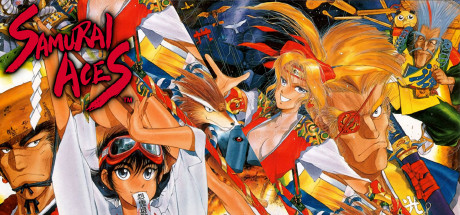
Samurai and ninja fly in the sky! Freaky Japanese-style shooter known as the debut of "Psikyo". We' ve got online rankings!
Modeled estimate, not a reported figure. How we estimate →
Media

About
Genres
Stats
All-time low is the lowest price we've recorded for this game since we started tracking it.
Engagement
Reviews
Themes across 41 recent reviews and how positive each mention is. A keyword signal, not full sentiment analysis.
Reviews
<コントローラが認識されない場合> ゲームをインストール後、起動したが、XBOX ONEコントローラーが認識されなかった。 問題に対応し、コントローラーで遊べるようになったので、記録として残しておく。調査の結果、どうやら「コントローラーの設定」に問題があるということが分かった。 以下、対応の手順。 「戦国エース」が起動していたら、いったん終了する。Steamの「ライブラリ」の左端、ソフトがタイトル名で一覧となって並んでいる場所にある「戦国エース」を右クリックし、「管理」→「コントローラ設定」を選択する。「コントローラーの画像」が載っているページになるので、中央最下部の「設定を閲覧」を選択する。「コントローラーの設定 - インポート」と書かれているページになるので、「テンプレート」を選択する。「キーボード(WASD)とマウス」と「ゲームパッド」の2つの選択肢が現れるので、「ゲームパッド」を選択する。「プレビュー」と書かれているページになるので、中央最下部の「設定を適応」を選択する。「決定」を押して、ページを閉じる。これでコントローラーは認識されるはずです。お疲れ様でした。(教えてくださった方、ありがとうございました。) 「左アナログスティック」を「十字キー」の代わりとして使いたい場合は、次の項に設定の仕方を載せたので、ご覧ください。 <左アナログスティック」を「十字キーの代わり」として使いたい場合> 「戦国エース」が起動していたら、いったん終了する。Steamの「ライブラリ」にある「戦国エース」を選択する。「プレイ」を左クリック。「戦国エース - Steam」と書かれているウィンドウが現れるので、下部の「Launch Configuration Tool」の選択し、「プレイ」を選択する。「戦国エースSETTING」と書かれているウィンドウが現れるので、上部の項目一覧から「Joystick Settings」選択する。「Player」と書かれているページになるので、「Player 1」と書かれているところの右端の「▼」を左クリックする。使用できる入力機器一覧が現れるので、使用したいコントローラーは選択する。(XBOX ONEコントローラーの場合は、「Controller(XBOX 360 For Windows)」を選択する。)「Key config」の項目が自動で埋まるので、項目内の右端にある「Z Axis」のチェックを左クリックで外す。適用を左クリックし、OKを選択する。ウィンドウが自動で閉じる。これで左アナログスティック」を「十字キーの代わり」として使えるようになるはずです。お疲れ様でした。 <フルスクリーンにしたい、解像度をディスプレイと合わせたい、垂直同期をOFFにしたい場合> 「戦国エース」が起動していたら、いったん終了する。Steamの「ライブラリ」にある「戦国エース」を選択する。「プレイ」を左クリック。「戦国エース - Steam」と書かれているウィンドウが現れるので、下部の「Launch Configuration Tool」の選択し、「プレイ」を選択する。「戦国エースSETTING」と書かれているウィンドウが現れるので、上部の項目一覧から「Display Settings」選択する。フルスクリーンにしたい場合は、左上の「Screen Mode」の項目内の「Full Screen Mode」を選択する。解像度をディスプレイと合わせたい場合は「Resolution」の項目内からディスプレイの解像度を選択する。(FHDの場合は「1920 × 1080」を選択する。)垂直同期をOFFにしたい場合は「Frame」の項目内の「Vsync」のチェックを左クリックで外す。適用を左クリック、OKを選択する。ウィンドウが自動で閉じる。これで上記の問題を解決できるはずです。お疲れ様でした。 <1クレジットあたりの自機の数を変えたい、コンティニューを無制限にしたい、ボタン配置を変えたい、音量を変えたい、表示方向を変えたい、画面フィルターを変えたい、ゲームのUIを変えたい場合> ゲームを起動し、「オプションメニュー」を表示する。(キーボードの場合は「Escキー」。コントローラーの場合は「ボタン8」。XBOX ONEコントローラーの場合は、MENUボタン――「三」に似たマークのあるボタンを押す。)該当の項目を選択し、変更する。1クレジットあたりの自機の数を変えたい、コンティニューを無制限にしたい場合は「ゲーム設定」。ボタン配置を変えたい場合は「コントローラー設定」。音量を変えたい場合は「サウンド設定」。表示方向を変えたい、画面フィルターを変えたい、ゲームのUIを変えたい場合は、「ディスプレイ設定」。 <ゲームを終了したい場合> ウィンドウでゲームをしている場合は、右上端の「×」を左クリック。 フルスクリーンでゲームをしている場合は、オプションメニューを表示し、「タイトルに戻る」を選択する。ゲーム起動時の画面に変わり、すぐにデモが始まるので、「ボタン1」に該当するボタン(キーボードの場合は「Xキー」。XBOX ONEコントローラーの場合は、Aボタン)を2度押し、難易度選択画面に行く。難易度選択画面の下部にある「EXIT」を選択する。「ゲームを終了してWindowsに戻ってもよろしいですか?」と表示されるので「はい」を選択する。 <レビュー> セール時に624円で購入。 1993年に登場した和風アーケードSTG「戦国エース」のSteam移植。巫女や侍が航空機に搭乗して、忍者や神輿と戦う縦STG。文字にしてみると凄い世界感だが実際にそうなので仕方がない。スタイルは現在の主流の「弾幕系」ではなく、超高速の敵弾を足の遅い自機で交わしながらステージを進んでいく、いわゆる「彩京シューティング」。プレイアブルキャラクター6人。全7面。Steam実績、Steamクラウド対応。 1クレジットあたりの自機の数9、コンテニュー無制限、Normal難易度の「5」でプレイしたみたところ、何度もコンテニューを繰り返しながらも約20分でクリアー。 ステージ数も尺もそれほどないが、この独特の交わしながら倒す爽快感が得られるのは彩京だけのように思う。基本的にはプレイして、記憶して、パターン化して進んでいくSTGなので、反射神経が特別優れていなくても遊べる。元々はアーケードゲームなので難しいが、当然ながらいくら連コインしても財布は薄くならない。わたしのように下手くそゲーマーにはありがたい。 残念なところは、コントローラーの設定に手間がかかること、設定の関する項目が分断されていて手間がかかること、「Remote Play Together」、「ステージセレクト」、「中断セーブ」、「リワインド機能」がないこと。後半ステージのコンティニューがステージの頭からになること(その場スタートと、頭からを選択できたらうれしかった)。
Related
Related
Trends
Modeled estimate over time.
Languages: English, Japanese, Simplified Chinese, Traditional Chinese
Hours played at review time, across 41 reviews with recorded playtime.
positive critical· bar length = how often the theme comes up
슈팅게임 명가 사이코에서 만든 초기작. 개성있는 캐릭터와 비행기. 밸런스도 적절하고. 추억보정이 있다고는 하지만, 재밌다는 것 또한 사실
懐かしの戦国エースがPCで遊べる!あまりアーケードでも遊んでなかったのでいい機会・・・だったのだけど・・・あれ?こんなもんだったかな?という感じ。 正直この当時のアーケードゲームでももっと、こう、派手でキレイだったんじゃないか?ステージは変化に乏しく、敵のパターンも今ひとつ面白みがない。ボスもただ単に弾が速いばかりで見た目に個性があっても攻撃に個性はないと感じた。 そんな感じで、よほどアーケード版に思い入れでもない限りはオススメはできないかな、でもお安くて、インストールサイズも25MBなのでサイフとHDDにはやさしいようで。
이게임을 출시당시 하지는 못했지만 그당시 상당히 앞서나간 슈팅게임인건 맞는것같다. 한국에선 텐가이2로 유명해졌지만 이게임이 있는지도 모르는사람들이 대다수일것이다. 캐릭터와 비행기 조합은 별로 매력적이지 않았다. (이후 건버드는 사람, 1945는 비행기로 확실히 나눔) 난이도1과 7차이가 생각보다 크지않다. 스팀으로 나올꺼였으면 스위치처럼 1~3편까지 묶음으로 나왔어야될 작품. 개당 팔아먹는 가격도 만만치않지만 스팀에 나와준것만으로 위안해야겠다. 평점 : ★★
虽然不是最重要的部分,但这过场对话停留时间长一点就更好了。像发明家路线或者双打路线有些对话一闪而过都看不清是什么。
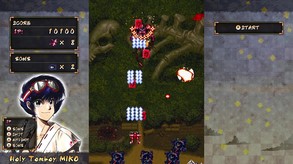
Samurai Aces (AKA Sengoku Ace) was Psikyo's first shooting game and set the format they would stick with for the rest of their releases. It features a cast of playable characters with unique abilities, a randomly-selected stage order, short stages with multi-phase boss battles, and a punishingly-difficult second loop that can be accessed by clearing the game on one credit. Psikyo stuck with this formula and gradually tweaked it for later releases including the Strikers series, Gunbird 1 and 2, and Dragon Blaze, but this is its point of origin. Even though I'm a long-time fan of shooting games I hadn't played any Psikyo releases until I noticed these ports by City Connection here on Steam. I picked up several of them on sale, but Samurai Aces was the first one I was able to clear consistently and get all the achievements on. It's definitely simpler and more accessible than Psikyo's later games but still provides a decent challenge. This isn't a Cave-style bullet hell like DoDonPachi or Mushihimesama: the bullets are fewer, faster, and more deliberate. Each one has a purpose, whether it's aimed right at you or meant to corral you to a certain part of the screen. Be careful, though: the characters' hitboxes are larger than in more recent games and dodging within bullet patterns is a good way to lose a life. One minor issue I had is that the game doesn't do a good job explaining how to use the charge attacks: when you hold down the shot button, there's no indication that your character is charging anything up until the attack is ready to go, which may take several seconds for characters with long charge times. During this time you can't fire without cancelling the charge attack, so you have to balance the offensive impact of these attacks with time spent waiting for them to charge up. The port itself is functional and doesn't have any glaring technical flaws but is missing some features found in comparable releases. For example, there is only one leaderboard and it only tracks scores played on the default settings (normal difficulty, 3 lives, no continues). It would have been nice to have leaderboards for other difficulty levels. Also absent is any sort of practice mode. This makes it difficult to practice a specific stage, especially in the second loop, since you need to clear the first loop each time you want to attempt it. Even then, there's no guarantee you'll get the stage you want: each time you play, the game randomly selects the first three stages from a set of four. If the stage you wanted to practice is left out, tough luck! The role of luck makes Samurai Aces difficult to play for score. In order to compete with the top scores, beyond not dying or bombing throughout both loops, you need to have a run that: -Gets the city stage as one of the first three stages on both loops -Gets at least two bombs, preferably more, randomly dropped from the houses at the end of the city stage both times -Fights the left-hand boss at the end of the sky stage both times (50% chance each loop) -Gets the demon instead of the tanuki as the final boss both times Even so, Aces was a good first attempt at making a shooting game and it still plays well today. Its basic formula was refined in later games like the Strikers series and Gunbird and all the way up to Psikyo's final shooting game, Dragon Blaze. It's a good point of entry to players new to Psikyo games, but those with absolutely no shooting game experience might want to ease into the genre with something more polished and accessible.
Compared to other Psikyo shooters I've played, Samurai Aces isn't quite as impressive, but it's still interesting enough to warrant a recommendation in my opinion. Positives: - The playable characters are unique and have fun and humorous stories to play through. Most of their endings are silly and basically serve as cheesy punchlines (which I prefer to stories that take themselves too seriously). - The characters play differently too, with different weapons of course, but also different speeds, bombs (some of which can save you instantly from being hit, while others have a delayed reaction during which you are still vulnerable), and charge attacks. - The bosses are varied and well-designed, including some that are huge with destructible parts. A team of robot ninjas make repeat appearances, giving a sense of cohesion to the flow between stages. Negatives - This is way harder than the other Psikyo games I've played so far. Even in Monkey Mode (the easiest difficulty) I had to increase my life count to be able to get through the game. Now, I'm FAR from an expert in these games, but the difficulty seemed to stem from the following two issues: - When you get game over, you need to re-start from the beginning of the stage you were in. - Your power-ups will not drift to the bottom of the screen. They'll bounce off the bottom third of the screen, forcing you to move up and in harm's way to collect them. This is especially frustrating during boss fights, where it's exceptionally difficult to get close enough to pick up a power-up without also getting exploded by the boss's projectiles. And since they drift off-screen after a limited amount of time, I found myself having to make do with an underpowered weapon where I most needed extra firepower. - The charge attack is not particularly useful since most of them seem to take an obscenely long time to charge up. I basically only used them to hit bosses just a bit harder when they first appear, and not at all other than that because it wasn't worth the high risk of leaving myself vulnerable. - The levels themselves, while serviceable, are not terribly unique or interesting. Despite its flaws, I enjoyed the fun characters and the simple pleasure of shooting everything in my path. Recommended for Psikyo completionists, particularly when it goes on sale (I picked it up at a heavy discount).
Psykio's first-formed from ex-Video System team members.
Samurai Aces, developed by CITY CONNECTION and Zerodiv and published by CITY CONNECTION, is a classic vertical shoot ’em up that first appeared in arcades during the early 1990s under the original title Sengoku Ace. This modern Steam release preserves the essence of its arcade roots while introducing subtle enhancements that make it accessible to contemporary players. It is a game that embodies the chaotic yet elegant simplicity of early Japanese shooters—fast, demanding, and bursting with personality. Beneath its pixelated surface lies a world where samurai, priests, and even an eccentric dog take to the skies in flying machines, battling waves of bizarre enemies across a feudal-meets-steampunk vision of Japan. It is a premise that feels absurd, imaginative, and utterly fitting for a Psikyo game, capturing the unique blend of humor and intensity that defines this studio’s legacy. The gameplay follows the familiar formula of vertical shoot ’em ups, but Samurai Aces adds its own flavor through character variety and distinct attack styles. Players can select from six pilots, each with a unique aircraft and weapon configuration that changes the rhythm of play. One may favor wide bullet spreads for crowd control, while another emphasizes concentrated beams ideal for boss fights. This diversity encourages experimentation, as each run can feel different depending on the chosen character. The mechanics are straightforward yet satisfying: dodge the relentless bullet curtains, collect power-ups to strengthen your attacks, and unleash devastating bombs when situations spiral out of control. The control response is sharp and immediate, keeping with the precise feel of arcade heritage. What stands out most is the game’s flow—enemy waves, item drops, and boss phases arrive in rapid succession, maintaining constant momentum that never lets the player breathe for long. Visually, Samurai Aces captures an atmosphere that is both nostalgic and distinct. The hand-drawn sprites and backdrops evoke the charm of 16-bit arcade artistry, rich in color and movement. The mixture of traditional Japanese architecture with flying contraptions and mechanized monsters gives the game a surreal tone that is uniquely memorable. Each stage has its own visual theme, and the boss designs—ranging from demonic warriors to elaborate steampunk contraptions—feel imaginative even by today’s standards. The music and sound effects complement the intensity perfectly: pulsing battle themes drive the pace forward while explosions and weapon fire provide the satisfying feedback that every shooter thrives on. The port to PC maintains this original presentation faithfully, adding options like screen rotation for players who prefer the authentic vertical orientation found in arcades. Where Samurai Aces excels most is in its pacing and challenge. It wastes no time immersing the player in the action, and while the controls are simple, the difficulty ramps up steadily with each level. Bullet patterns become increasingly intricate, forcing players to weave through narrow gaps with precision and reflex. Yet, despite the challenge, it rarely feels unfair; each death serves as a learning opportunity to better understand enemy behavior and attack timing. For players seeking an authentic arcade experience, this balance of accessibility and mastery is deeply rewarding. The inclusion of adjustable difficulty levels, continues, and modern conveniences like save states and online leaderboards ensures that newcomers and veterans alike can find their preferred way to enjoy it. The leaderboard system in particular adds a layer of long-term replayability, as mastering each character and stage becomes a matter of pride and skill. The simplicity that makes Samurai Aces charming is also its limitation. By modern standards, it lacks the complexity or progression systems found in more recent shooters, offering no persistent upgrades or branching paths to explore. Its short runtime—only a handful of stages—means that most players can see everything it has to offer within an hour, though the high replay factor and the allure of higher scores can easily extend its lifespan. Some may also find the minimal narrative presence disappointing, as the quirky setting and character designs invite curiosity that the game never fully satisfies. However, it’s important to understand that Samurai Aces was never meant to tell a deep story or offer extended content. It was built to be replayed, mastered, and enjoyed in short bursts—the very essence of the arcade philosophy. Ultimately, Samurai Aces is a faithful preservation of a golden-age shooter that embodies both the charm and the rigor of its time. It may appear simple on the surface, but it delivers a pure, concentrated experience that modern games often dilute. It is fast, challenging, visually distinctive, and mechanically tight—a textbook example of why Psikyo’s shooters remain beloved decades later. The Steam release does justice to the original through smooth performance and customizable settings that respect the needs of both casual players and arcade purists. For fans of retro shoot ’em ups, this is a worthy addition to any collection, a reminder of an era when clarity of design and intensity of play were all a game needed to be unforgettable. Samurai Aces doesn’t reinvent the genre—it celebrates it with confidence and style. Rating: 8/10
A flawed, but amazing game. The slow speed of your characters VS the sometimes very high bullet speeds makes certain sections unbeatable without memorization. Not every character's bomb is an instant bullet cancel either, which makes things really complicated for them. There are cheap deaths, but not so many that I'd write off the game. Overall, the game's presentation and gameplay is really good and a beginner can absolutely clear this with memorization.
Momentum
Pace estimated from the game's recent review growth (our daily snapshots) at its own sales-per-review ratio — a momentum signal, not booked sales.
Audience
Estimated from the language of this game's reviews — a proxy for where players are, not official Steam demographics.