Probability Contemplation is a highly abstract puzzle experience that distances itself from conventional game design in favor of something quieter, more analytical, and intentionally minimal. Rather than guiding players through a structured set of levels with clear goals and escalating mechanics, it presents a system that revolves around probability, interaction, and interpretation. The result feels less like a traditional puzzle game and more like an interactive exercise in logic, where understanding relationships between elements becomes the central focus.
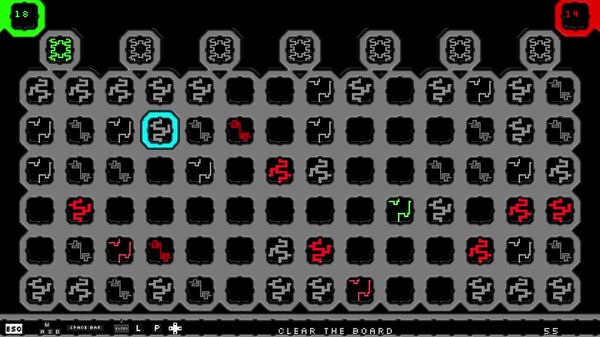
The gameplay revolves around manipulating a grid of symbols that can shift between states, with each interaction influencing nearby elements in subtle ways. Instead of simply matching or clearing objects, players must consider how each move affects the overall balance of the board. The objective is tied to achieving a favorable outcome based on these interactions, but the path to that outcome is rarely obvious. This creates a slower, more deliberate style of play where observation and planning are more important than speed or reflexes. Every decision carries weight, and progress often comes from gradually recognizing patterns rather than solving clearly defined challenges.
One of the more distinctive qualities of the experience is how it frames puzzle-solving as a form of probability management. Rather than presenting fixed solutions, the game encourages players to think in terms of likelihood and influence, adjusting their approach based on how different elements respond to each other. This gives the gameplay a somewhat experimental feel, as players are often testing possibilities and refining their understanding over time. The lack of explicit guidance reinforces this, allowing for a more personal and interpretive experience, though it can also make the game feel opaque to those expecting clearer direction.
The pacing is intentionally subdued, which contributes to its contemplative tone. There is no pressure to act quickly, and the absence of time-based challenges allows players to focus entirely on the logic of the system. This can be relaxing in short sessions, especially for those who enjoy methodical thinking, but it also means that the experience can feel static during longer play periods. Because the core mechanics remain consistent throughout, the game relies heavily on the player’s willingness to engage deeply with its systems rather than introducing new ideas to maintain interest.
Visually, the presentation is clean and understated, emphasizing clarity above all else. The symbols and grid are easy to read, and the lack of visual clutter helps players focus on the relationships between elements. While this minimalist approach suits the gameplay, it also results in a presentation that lacks personality or visual distinction. The design is functional and effective, but it does little to create a memorable aesthetic or atmosphere.
Another notable aspect is the game’s intellectual focus. It clearly aims to engage players on a conceptual level, encouraging critical thinking and pattern recognition rather than offering traditional forms of entertainment. This makes it appealing to a very specific audience, particularly those who enjoy abstract systems and problem-solving. At the same time, this focus limits its accessibility, as players who prefer more dynamic or visually engaging experiences may find it difficult to stay invested.
The game’s scope is quite narrow, and this becomes more apparent over time. There are few additional systems or variations to explore, and once the core mechanics are understood, there is little in the way of new content to discover. Progression is subtle and largely self-driven, which can make the experience feel repetitive for those who are not fully engaged with its central concept. It works best as a short, focused activity rather than a long-term commitment.
In the end, Probability Contemplation is a thoughtful but highly specialized puzzle game that prioritizes concept over variety. It offers a unique approach to problem-solving that can be rewarding for players who appreciate abstract thinking and slow, deliberate gameplay. However, its minimalism, lack of progression, and limited scope prevent it from appealing to a broader audience. It stands as an interesting experiment that succeeds in delivering a distinct experience, even if that experience is somewhat narrow in its reach.
Rating: 5/10