Delve into classic turn-based strategy gaming with elements of table top miniatures, fantasy RPG and TCG style gameplay all wrapped into one.
Revenue comes from in-game items and microtransactions, which our price-based model doesn't estimate. Copies below reflect the player base, not paid sales.

About
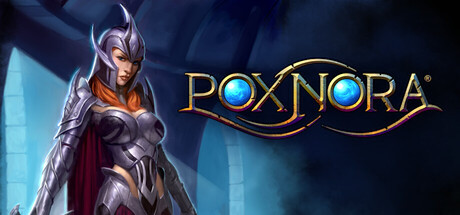
Pox Nora is an online, collectible, turn-based strategy game. Players can take their deck of Runes (cards) and battle against other players in player vs player matches, skirmish against the AI, and adventure in the many single player campaigns. Public decks are available to unlock with gold or by playing the faction walkthrough campaigns. Expand your deck options by purchasing additional rune packs with gold, earnable shards, or credits to access more Champions, Spells, Relics and Equipment.

Completely free to play with additional content available for purchase
Thousands of Runes with hand painted card art
Wage war against opponents through exciting player vs. player gameplay
Adventure with iconic characters in single player story campaigns
Play the game with Decks you can unlock with gold and by playing the game
Build decks from 8 unique factions through full or split faction play
Build your collection of runes over time and customize your decks with the Rune Manager
Trade runes with the community or build them with the Rune Forge
Earn gold by playing the game and spend it on get additional champions and more in the Marketplace
Genres
Stats
Languages: English
Engagement
Reviews
Themes across 40 recent reviews and how positive each mention is. A keyword signal, not full sentiment analysis.
Reviews
PoxNora is one of the greatest tactical strategy concepts ever made and one of the clearest examples of how a game can lose its soul. With over 1,100 hours played, I did not come here to attack it. I came here because I cared about it. The core design was brilliant. The depth was unmatched. You could build something truly your own, a battlegroup with personality, identity, and style. That was the magic of PoxNora. But that magic is exactly what the game ended up taking away from its players. The largest issue is simple: You invest time, thought, and often money into something unique, and it gets erased every few weeks. Instead of releasing meaningful new content, the developers constantly rebalance old runes in a never ending cycle. Every month, the meta shifts wildly, not because of clear design vision but because it is someone else's turn to be overpowered. Entire battlegroups become unplayable overnight. Your creativity is wiped out the moment you find a niche that works for you. And it is clear that these power shifts do not come from careful design decisions or the broad community. They come from a small unofficial elite circle, the same group that dominates the forums, shapes decisions, and quietly decides what is or is not allowed in the meta. If you disagree with them, you are not debated. You are ignored, pushed aside, or piled on. It is a pack mentality, and it has driven many players away. The result is a game where The meta constantly changes and punishes creativity Old runes are washed and rewired instead of real content being added The same few voices steer how everything plays The community shuns anyone outside that circle Players feel forced to chase the meta instead of enjoying their own ideas Most people do not want to be part of an unofficial balance committee or study a meta that resets every few weeks. They want to build something unique and enjoy it. PoxNora once offered that. Now it feels like a treadmill built for a very small group of insiders. This is why the review is a thumbs down. Not because the game is bad, the design is genius at its core, but because the vision was surrendered to the whims of a few, and the trust of the many was lost. If any future developers read this, consider the lessons: Protect your vision. Listen to your whole playerbase, not only the loudest circle. Do not erase your players time and investment every month. Do not let gatekeeping define your community. PoxNora is a lesson in how a great idea can decline when balance becomes a toy for a select few rather than something guided with care. I write this with respect. This game deserved better, and so did its players.
Related
Related
Trends
Concurrent players on Steam, sampled daily since tracking started.
Hours played at review time, across 40 reviews with recorded playtime.
positive critical· bar length = how often the theme comes up
peanut would love some pets and treats :) 🌸> フ | _ _ l /` ミ_xノ / | / ヽ ノ │ | | | / ̄| | | | | ( ̄ヽ__ヽ_)__) \二つ
1000+ Hours later and it's been a blast. I've been lucky enough to have played this game from 3rd to last expansion and I've enjoyed it throughout. My only real criticism is that, as such an old game, the ceiling to enter is much higher than most others I've played.
i played it several years ago and wanted to play it again in recent months, but the password isn't working, password resets didn't work, there still has not been an answer from developers to my mails. the games idea was good, the pve was good, but because of the above mentioned points, when entering your account name and password you feel like on a scammer replicated website to phish your data. can not recommend that.
Excelente achado se você gosta de formato tabuleiro, ele na verdade tem um jeito meio rts/turno. Fico muito feliz quando encontro jogos do tipo, pois acho muito bons! ☺️
Pox Nora is a great game that blends tactical, turned-based combat, both PvE and PvP casual and ranked play, with card collecting and trading. The cards represent the various spells, relics, items and creatures you can play on the battlefield. 30 card decks are fully customizable, and as the creatures gain XP and level up, this is reflected on the creature cards. There are multiple major factions, each with several races and classes. You can make decks homogenous or split between two factions at 15/15 cards for each. You will find a lot of great combos and synergistic effects as you grow your collection. If you are like me, collecting new cards and building new decks is half the fun! Playing your new deck creations and leveling up your creatures is also great fun. The in-game economy is generous for a FTP game, requiring no IRL money to advance quickly and successfully. Even so, I have spent some cash on a couple of pre-con decks and some game currency to support the developers, who continue to support the game, amazingly enough. Daily quests and challenges provide plenty of opportunities to earn gold, which can be traded for shards, which can be traded for new cards. You can also trade cards with other players, as already mentioned. The game has been around since 2006 and still has a very loyal, very friendly player base. Developer support is still quite evident, even after 20 years. Hard to go wrong with Pox Nora if this kind of game interests you at all. Highly recommended!
Pox Nora, developed and published by Desert Owl Games LLC, is a rare hybrid that merges the strategic foresight of a collectible card game with the positional nuance of a turn-based tactics title. Originally launched years before its arrival on Steam, it has endured through multiple iterations and ownership transitions, eventually settling into its current form as a free-to-play strategy experience with a deeply loyal player base. At first glance, it may resemble a traditional digital card game, but once a match begins, it becomes clear that Pox Nora operates on a much broader tactical canvas. Instead of simply trading cards across a static board, players deploy units onto a grid-based battlefield where movement, terrain, and positioning are just as critical as deck composition. The heart of the experience lies in building battlegroups composed of runes, which function similarly to cards. These runes are divided into categories such as Champions, Spells, Relics, and Equipment, each playing a specific role in battle. Champions act as units placed directly on the map, capable of moving, attacking, and using special abilities. Spells create immediate effects that can shift momentum in a single turn. Relics provide persistent battlefield objects, while Equipment modifies and enhances deployed champions. This layered structure gives players enormous flexibility in designing strategies before the match even begins. With multiple factions to choose from, each emphasizing distinct themes and mechanics—ranging from brute-force aggression to subtle control and synergy-focused tactics—the deck-building phase alone can absorb hours of experimentation. Once in combat, the game transforms into a methodical contest of resource management and board control. Players accumulate Nora, the central resource used to deploy runes and activate abilities. Capturing fonts scattered across the battlefield increases Nora generation, creating natural points of conflict and territorial struggle. Positioning is paramount; a poorly placed champion can be surrounded and eliminated, while careful spacing and coordinated ability use can create devastating combinations. Unlike many modern strategy games that emphasize rapid pacing, Pox Nora rewards patience and foresight. Each turn demands careful consideration of movement range, ability cooldowns, terrain bonuses, and potential counterplays. Victory usually comes not from a single explosive moment but from incremental advantages built over several turns. The depth of its mechanics is both its greatest strength and its most intimidating feature. Pox Nora does little to simplify its systems for newcomers. The sheer number of abilities, status effects, and rune interactions can feel overwhelming at first. Champions often possess multiple unique skills, each with detailed descriptions and specific conditions. Learning how these abilities interact—and how to anticipate your opponent’s toolkit—requires dedication. For players who enjoy unraveling complex systems and mastering layered strategies, this complexity is immensely rewarding. However, those seeking quick, accessible matches may find the learning curve steep and the interface somewhat dated compared to newer digital card games. Visually, Pox Nora retains a classic fantasy aesthetic with hand-drawn sprite art and stylized environments. The presentation reflects its long history, favoring clarity over modern graphical polish. While it may not compete with contemporary titles in terms of visual spectacle, the art direction has a certain charm, and the battlefield remains readable even during busy turns filled with summoned units and spell effects. Audio design is understated but functional, complementing the tactical atmosphere without overwhelming it. The overall tone leans toward traditional high fantasy, populated by dragons, undead legions, elemental beings, and mystical warriors drawn from its expansive lore. The free-to-play model has evolved over time, and today players can earn gold and acquire runes through consistent play without mandatory spending. Premium purchases can accelerate collection building, but it is entirely possible to assemble competitive battlegroups through persistence and smart resource use. Community-driven balance adjustments and ongoing updates have kept the game alive long past the lifespan of many similar titles. While its player base is smaller than mainstream digital card games, the community that remains is dedicated and knowledgeable, often sharing guides and strategic insights to help newcomers find their footing. What ultimately sets Pox Nora apart is the way it bridges two genres without compromising either. It captures the satisfaction of carefully constructing a synergistic deck while also delivering the spatial tension of tactical warfare. Every match feels like a layered chess game infused with fantasy abilities and evolving battlefield conditions. Success demands preparation, adaptability, and a deep understanding of both your own runes and your opponent’s potential plays. For players who crave strategic density and long-term mastery rather than instant gratification, Pox Nora offers a uniquely demanding and intellectually engaging experience. Despite its age and somewhat old-school presentation, Pox Nora remains a compelling example of genre fusion done right. It does not chase trends or streamline its mechanics for mass appeal. Instead, it embraces its complexity and invites players to immerse themselves in a richly detailed strategic ecosystem. Those willing to invest the time will discover a game with remarkable depth, replayability, and tactical variety—an enduring testament to the appeal of thoughtful, turn-based competition in an era dominated by faster, flashier experiences. Rating: 7/10
I recommend Pox Nora because the modern free‑to‑play version is dramatically more welcoming than the paid release from over a decade ago. The entire card collection has been redesigned, maps updated, mechanics retuned and the engine modernized. The reward system has been rebuilt from the ground up and the new free-to-play structure makes it delightfully easy for new accounts to begin learning the game play. New players earn far more gold per day through challenges, the expanded tutorial is genuinely helpful and the new skirmish mode hands out free runes. Almost all runes can now be purchased with gold instead of cash, except for the newest expansion. Even then, runes are easy to obtain through normal play or from community members who are happy to help. For newcomers, the community is functional and surprisingly supportive. The problems begin once you look at the game through the lens of a digital trading card economy. Historically, you needed to invest significant money and engage in constant trading to build a competitive deck. Limited‑edition cards once sold for a good amount of dollars, only to be re‑released without warning on a first‑come basis, with prices rising the more they were purchased. Legacy cards that had been nearly worthless suddenly spiked in value within a day, leaving most players unable to keep up and throwing match balance into chaos. New expansions continued the cycle by introducing extremely powerful epic cards while devaluing older ones. It’s the harsh truth of digital trading card games (TCGs): you can pay high prices for items that the developer can devalue at any moment with a simple database change. The player base today is much smaller than Pox Nora once was. Some veteran players can be hostile and some new players quit quickly or behave rudely, which makes it unlikely the community will grow significantly. Pox Nora is a game with a genuinely improved onboarding experience and a much fairer F2P model than in the past, but it still carries the long‑term instability and volatility of digital trading card economies.
Steep learning curve,- yes. Unique and interesting turn-based battles, interesting strategies. Practically infinite multi-faction options, to build a deck the way YOU want. And numerous deck and creature/sub-faction themes, for any player's taste. I give it a personal, yet a bit BIAS-ed 8/10
really cool game. not many players but its free, you can play 1v1 or 2v2 with friends, and you can play vs AI. cool mix between wargaming and TCGs, and its lets you trade cards with other players, none of the digital card games I have played have done that. theres a discord and people seem helpful, and the artwork for the cards is cool. Definitely give it a try, my friends and I are just getting into it but building decks and having fun!
Momentum
Pace estimated from the game's recent review growth (our daily snapshots) at its own sales-per-review ratio — a momentum signal, not booked sales.
Audience
Estimated from the language of this game's reviews — a proxy for where players are, not official Steam demographics.
Related
| Emberward | $2.3M | 3.8K | 97% | $19.99 |
| Sub Rosa | $1.8M | 3.4K | 69% | $19.99 |
| Journey to the West | $774.2K | 1.7K | 81% | $19.99 |
| The Eyes of Ara | $84.9K | 758 | 82% | $4.49 |
| LOVE Hotel Simulator 🏩 | $46.7K | 133 | 74% | $9.29 |
| Sect And Monsters | $7.7K | 138 | 80% | $4.99 |