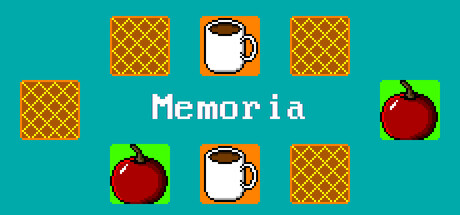
Memoria is a classic memory matching game designed for Windows 3.1. Players are presented with a grid of face-down tiles, each holding a pictogram. The Objective is to find all matching pairs by flipping two tiles at a time.
Revenue comes from in-game items and microtransactions, which our price-based model doesn't estimate. The player count below is how many people own it, not what they spent.
About
Memoria is a classic memory matching game designed for Windows 3.1. Players are presented with a grid of face-down tiles, each holding a pictogram. The Objective is to find all matching pairs by flipping two tiles at a time. If the selected tiles match, they remain face-up; if not, they are turned back over. The game tracks the number of moves and elapsed time, challenging players to complete the grid with the fewest attempts.
Genres
Stats
Languages: English**languages with full audio support
Reviews
Memoria, Windows 3.1 için tasarlanmış klasik bir hafıza eşleştirme oyunudur. Oyunculara, her birinde bir piktogram bulunan, yüzü aşağı dönük karolardan oluşan bir ızgara sunulur. Amaç, her seferinde iki karoyu çevirerek tüm eşleşen çiftleri bulmaktır.
Нормас тема
免费 没中文 没成就 记忆游戏 《记忆游戏》是一款为 Windows 3.1 设计的经典翻牌配对游戏。游戏会展示一个由背面朝上的牌组成的网格,每张牌上都有一个图标。玩家的目标是每次翻开两张牌,找出所有配对。如果翻开的两张牌匹配,它们会保持正面朝上;如果不匹配,则会再次翻回背面。游戏会记录移动次数和耗时,挑战玩家用最少的尝试完成整个网格。 ⠷⠿⠾⣷⢿⡾⣷⢿⡾⣷⢿⡾⣷⢿⡾⣷⢿⡾⣷⢿⡾⣷⢿⠾⠷⠿ ⠄⠐⠠⢠⣭⣙⢻⣟⣿⣻⣟⣿⣻⣟⣿⣻⣟⣿⣻⠟⣩⣭⡠⠄⠄⢰ ⡇⠄⠄⣿⣿⣿⣷⡌⠻⢏⣋⣉⣉⣉⣉⣋⠿⠝⣱⣾⣿⣿⣷⠄⠄⣸ ⣟⣆⠄⡻⣽⣿⣯⣵⣿⣿⣿⣿⣿⣿⣿⣿⣿⣿⣮⣽⣿⣻⢺⠄⣸⡿ ⣽⣟⣶⣈⢁⣾⣿⣿⣿⣿⣿⣿⣿⣿⣿⣿⣿⣿⣿⣿⣲⡈⣡⣾⣻⣟ ⡷⣿⣻⢁⣿⣿⡿⠾⢟⣯⣿⣟⣿⣻⣟⣿⣻⣽⣷⣿⣺⣺⠘⣯⣿⣽ ⣻⣟⣿⢰⣿⡏⠄⢶⡎⢹⣿⣽⣟⣿⣻⣽⡿⡏⢓⣛⢳⢯⠄⣿⣽⣾ ⣯⣿⡝⣼⣿⣧⣠⣀⣠⣾⣻⣾⡛⢻⣻⣽⣧⣾⣿⢿⣯⣟⡆⢿⣯⣷ ⡾⣷⠁⠋⠑⠈⡉⢻⣿⣛⠻⠽⢛⠻⠿⢛⣽⣷⡟⠉⠄⠈⠙⠈⣷⣿ ⣻⡿⣄⠄⠄⡀⢀⢸⣿⣻⣿⢿⣿⣿⡿⣿⣻⣾⡆⠄⠂⠄⠄⣰⣿⣽ ⣯⣿⢿⣦⡀⠠⡜⣗⡯⣟⣾⣻⢷⣻⣽⣻⢽⣺⢞⢦⠁⣠⣞⣿⢷⡿ ⢷⣿⣻⣽⡿⣷⣦⣌⣈⡊⠎⠮⠫⠎⠞⠜⣑⣁⣡⣶⣻⣯⣿⢾⣿⣻
Media

Related
Related
Price dynamics, follower growth, revenue and sales trajectories with interactive tooltips
This and every other Pro feature is free until October 20, 2026. A free account is all it takes.
I thought Memoria was just another game with a mysterious name that I'd play for a little while and eventually forget about. I was wrong. The graphics are simple. The gameplay is simple. But there's something about Memoria that makes you slow down and actually pay attention. At first, I wasn't sure what I was supposed to feel. Then, somewhere along the way, I started caring. The atmosphere, the moments, the strange little details—it all starts to build into something that feels bigger than it should. You go in expecting a game. You leave with memories. What I love most is that Memoria doesn't constantly explain everything to you. It lets you experience things, figure them out, and decide what they mean for yourself. And sometimes, the quiet moments hit harder than anything else. I've played games with bigger worlds, better graphics, and far more content. I don't remember most of them. I'll remember Memoria. I'll remember the atmosphere. I'll remember the moments that made me stop and think, "Wait... what just happened?" Some games are fun while you're playing them. Memoria stays in your head long after you've closed the game. 100% recommended.
Memoria is a point and click adventure that I ended up appreciating mainly because of how much effort goes into its story and atmosphere. It follows two different characters across two different time periods, with Geron trying to find a way to help Nuri while the story also takes me back more than 500 years to follow Sadja, a princess who wants to become a war hero. I like how these two stories slowly start connecting because it gives the game a bigger feeling than the usual adventure game where I am simply moving from one location to the next. The story is definitely the strongest part for me. Sadja and Geron feel very different, and switching between their stories keeps things from becoming too predictable. Sadja's part has more of an ancient fantasy feeling, while Geron's story is much more focused on the problems happening in his own time. As I progress, the two sides start filling in gaps for each other and I get a better understanding of what actually happened. It is the kind of story where I have to pay attention because small details can become important later. The puzzles are also quite good overall. Each chapter introduces different ideas and I get special abilities that change how I interact with the world. Geron can use his magic to manipulate certain objects, while Sadja has different abilities involving her staff and magical companions. I like that the puzzles are usually tied into the characters rather than just being random things placed around the environment. There are still a few moments where I have to combine items or think in a way that feels slightly too specific, but most of the puzzles give me enough information to eventually work out what the game wants. The presentation is another big reason I enjoy it. The backgrounds are hand drawn and full of small details, while the characters are presented in 3D. The locations have a nice fantasy look without everything feeling overly bright or generic, and places like the ancient dragon temple give the game some memorable environments. The soundtrack and voice acting also fit the serious parts of the story well. It has that older adventure game style where I can spend quite a while simply looking around a location and taking in the details before moving on. My biggest issue is that the pacing can be uneven. There are sections where I am completely invested in the story and want to know what happens next, but there are also times when I am walking around looking for the one thing I need to progress. Some of the item combinations can feel unintuitive, and when I get stuck it can take a while to realise that I missed something obvious. The game also works much better if I already know the events of The Dark Eye: Chains of Satinav, since Memoria continues Geron's story from that game. I can still follow the main plot without it, but some of the emotional impact is definitely stronger with the previous game in mind. I also like that the game is structured into eight chapters instead of trying to stretch the adventure unnecessarily. There is enough content to make the journey feel substantial, but the story stays focused on its two main characters and the mystery connecting them. I can tell that a lot of attention went into making the world feel like part of the story rather than just a collection of puzzle locations. That helps the slower moments because I usually have something interesting to look at or some piece of the mystery to think about. Overall, Memoria is a strong point and click adventure that I think succeeds because the story, artwork, music and puzzles all work towards the same atmosphere. I really like the two protagonists, the way their stories connect across centuries and the fantasy setting, while the occasional awkward puzzle and slower sections stop it from being completely perfect for me. It is definitely more focused on story and exploration than fast gameplay, but that suits what I want from this type of adventure. For me, it is one of those older adventure games that still feels worth playing because the central story has enough ambition and personality to carry the experience. Rating: 6.5/10
Selling now
See how fast this game is selling right now — estimated copies and revenue per day from recent review growth.
Related
| Game | Estimated lifetime revenue | Reviews | Review score | Price |
|---|---|---|---|---|
| $379 | 3 | 100% | $4.99 | |
| — | 0 | — | — | |
| $955K | 1.2K | 94% | $19.99 | |
| $65.2K | 206 | 71% | $12.99 | |
| $306 | 5 | 100% | $2.99 | |
| $215 | 1 | 0% | $6.66 |