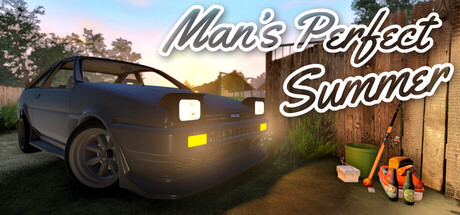
Man's Perfect Summer
A first-person open-world car and life simulator set in rural Belarus in 2007. Work odd jobs, earn money, meet locals, build relationships, and learn to live on your own while slowly building, tuning, and maintaining a project car you’ll pour your time, money, and heart into.
Estimated lifetime revenueLow confidence
—gross
—
Modeled estimate, not a reported figure. How we estimate →
Est. copies sold
0
mid estimate
Reviews
0
Review score
—
Concurrent players
About
About the game
A first-person open-world village life, car-building, and driving simulator.
It’s the summer of 2007. You’re nineteen, you’ve failed your university exams, and with another chance to pass them in the fall, you’re spending the summer looking after an empty family home in rural Belarus.
For the first time, no one plans your days for you. Find ways to earn money, take care of yourself and the house, get to know the locals, prepare for exams and slowly build, repair, tune, and maintain a project car as you make a life of your own.
EARN YOUR WAY
Food, fuel, tools, car parts, and everyday expenses all cost money, so you’ll have to find ways to earn it.
Take on regular work such as delivering groceries from the local store to outlying villages or preparing a rental cottage before new guests arrive. People you get to know may also need an extra pair of hands — tending a garden, feeding animals, fixing something, picking up supplies, or giving someone a ride.
Some jobs provide a dependable source of income, while others depend on who you know and how willing they are to deal with you. What you earn is yours to spend, and deciding what matters most is part of building both your car and your life.
BUILD A CAR OF YOUR OWN
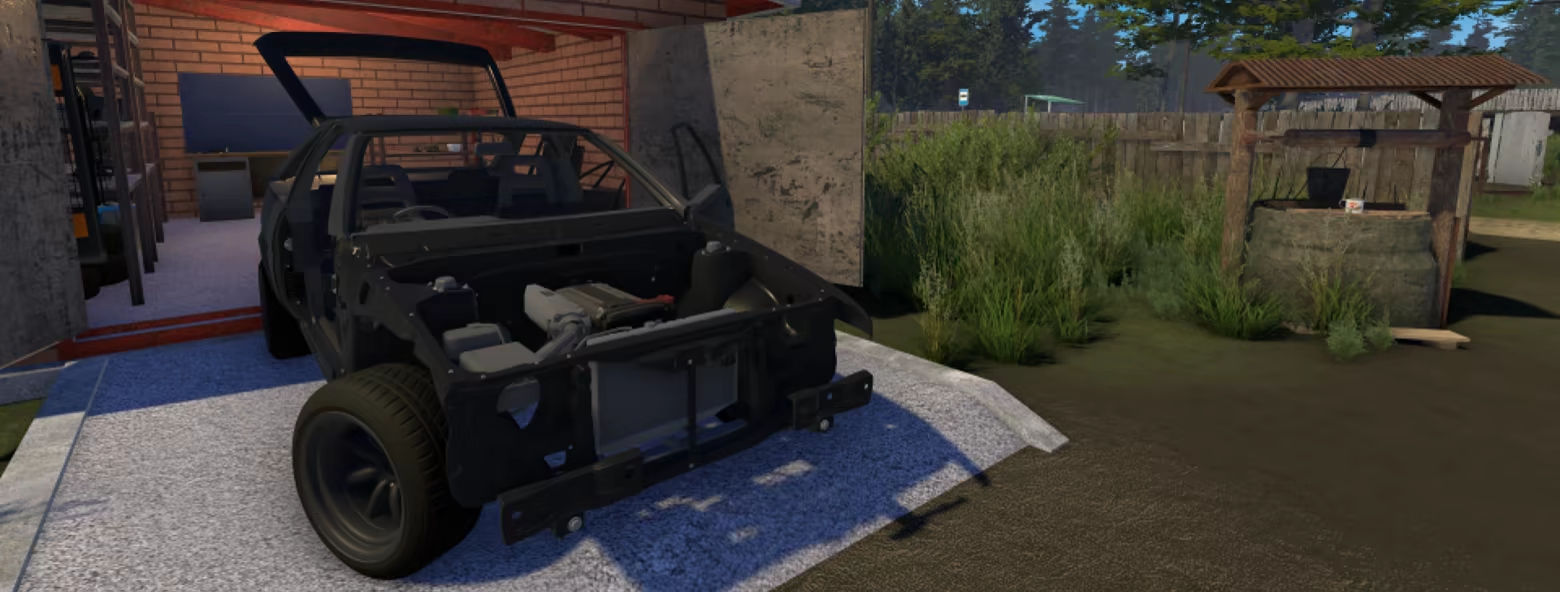
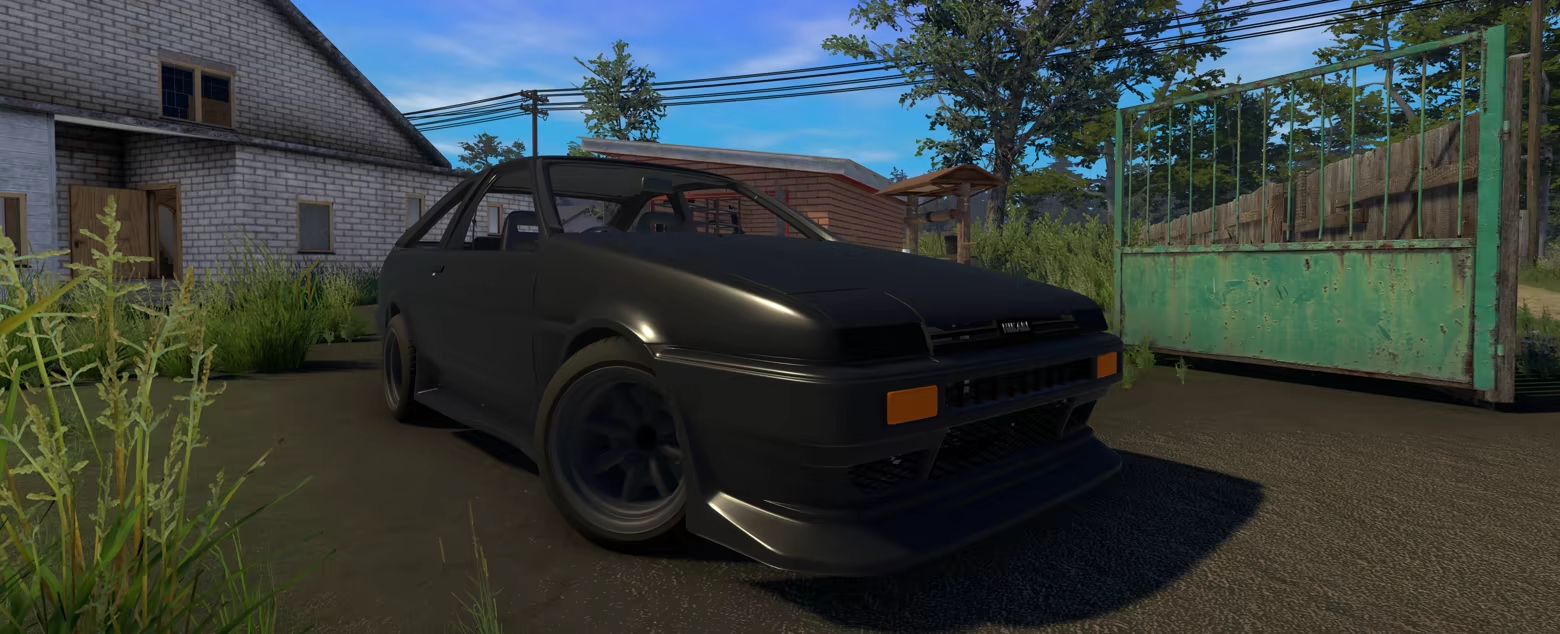
Hikari is the car you’ll spend the summer building, repairing, and making your own. You don’t install parts through a menu — you handle them yourself in first person. Carry a body panel or engine component to the car, maneuver it around anything in the way, position it correctly, and fit it where it belongs. Then grab the right wrench or screwdriver and tighten the fasteners yourself.
Building Hikari is only part of owning it. Its parts wear out, things can break, and the engine has to be maintained and properly adjusted. The components you install and the way you tune the car affect how the car behaves and how it drives. Look after it, repair it when something goes wrong, and gradually turn it from an unfinished project into a car that feels truly yours.
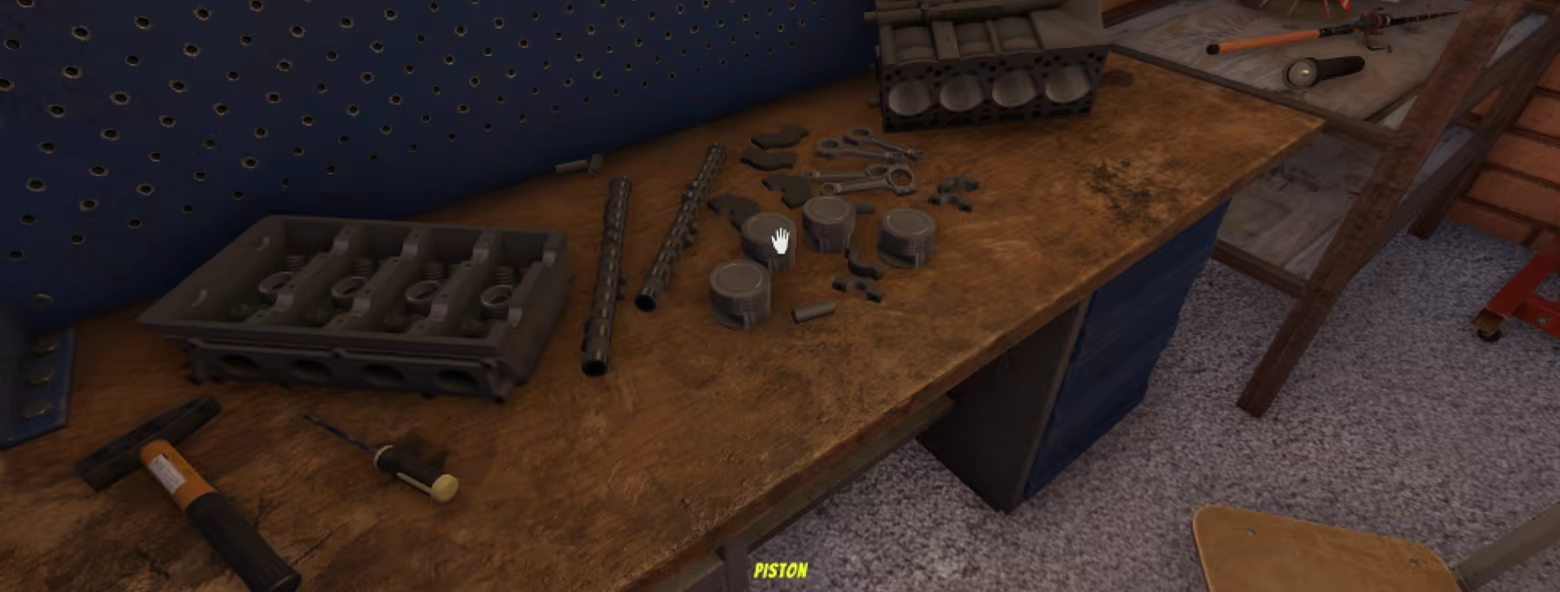
You live in the countryside, so you won’t find everything you need in one shop. Everyday supplies and common parts may be available locally, while other components have to be ordered, traded for, or found with help from the people you get to know. Sometimes what you do next with the car depends not only on what you can afford, but on what you can actually get your hands on.
GET BEHIND THE WHEEL
Driving is designed to feel natural and believable. Cars have weight, suspension, grip, and momentum that you can feel through the way they respond to steering, braking, and acceleration.
Different vehicles behave differently, and the condition of the car matters too, so the same roads can feel very different depending on what you’re driving and what shape it’s in.
For players who want a more immersive driving experience, the game also supports steering wheels alongside keyboard and mouse.
Hikari may be your main project, but it won’t be the only vehicle you drive.
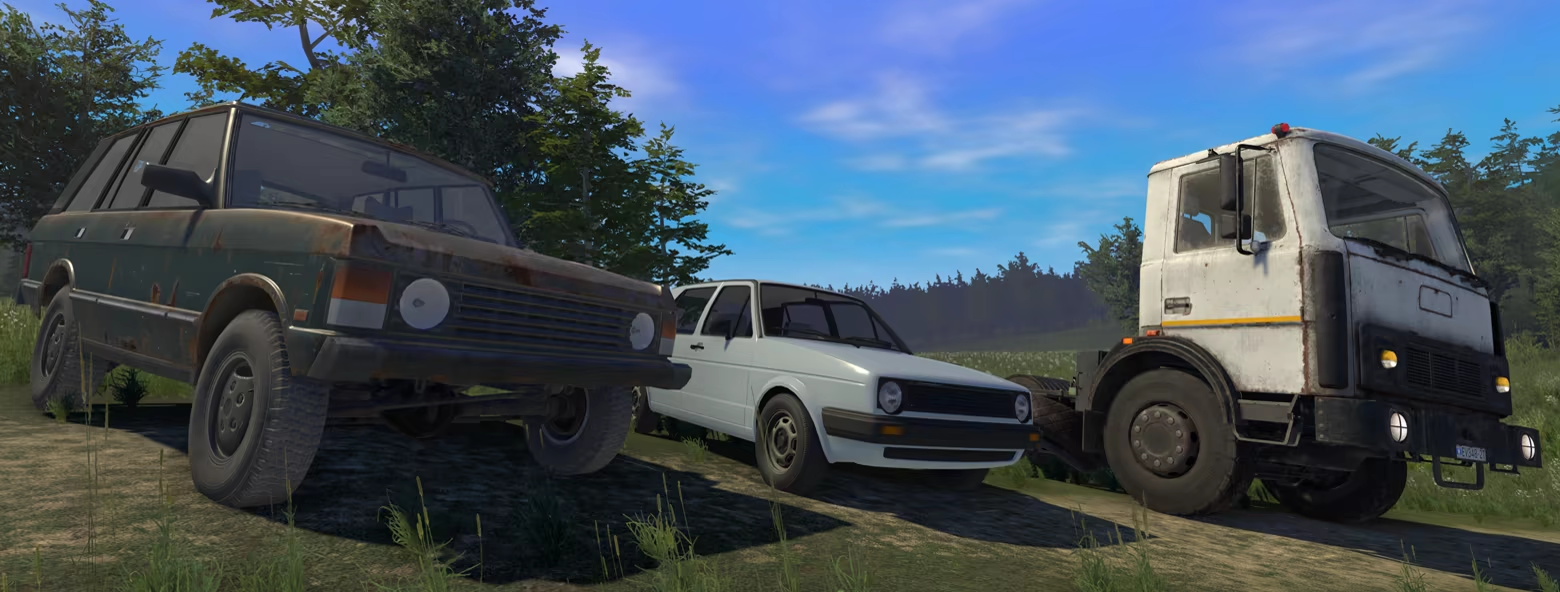
Work, favors, loans, trades, and other situations can put different cars and utility vehicles in your hands for a while. They still need to be treated like machines: keep an eye on fluids and the battery, deal with damaged tires and other problems, and don’t expect someone to be happy if you return their vehicle ruined.
The cars you use aren’t separate from the rest of your life. They get you to work, carry what needs moving, take you across the countryside, and sometimes become part of the job itself.
GET TO KNOW THE LOCALS
The people you meet are part of your everyday life. Talk to them, help them out, spend time with them, ask for favors, or give them reasons to want nothing to do with you.
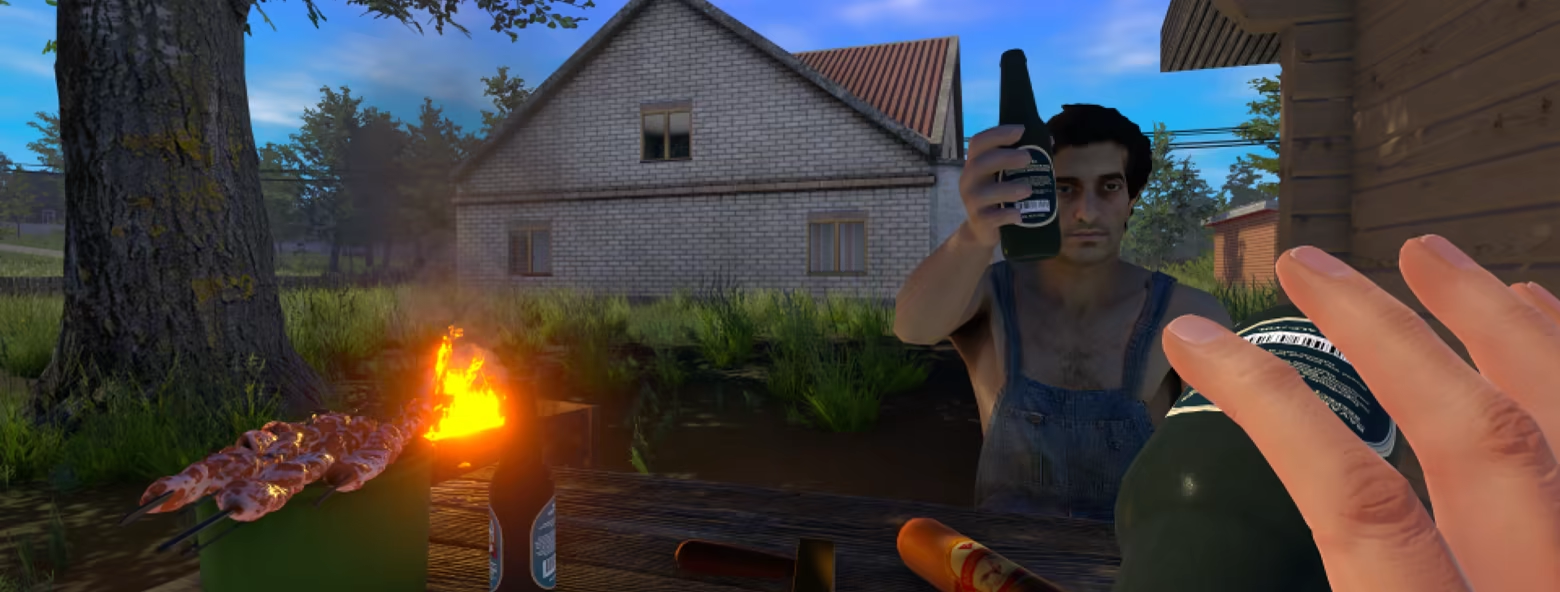
Relationships change depending on how you behave. Someone who trusts you may offer you work, lend you something, trade with you, help you get hold of something you need, or open up opportunities that weren’t available before. If you treat people badly, don’t expect much in return. Some may even make things harder for you.
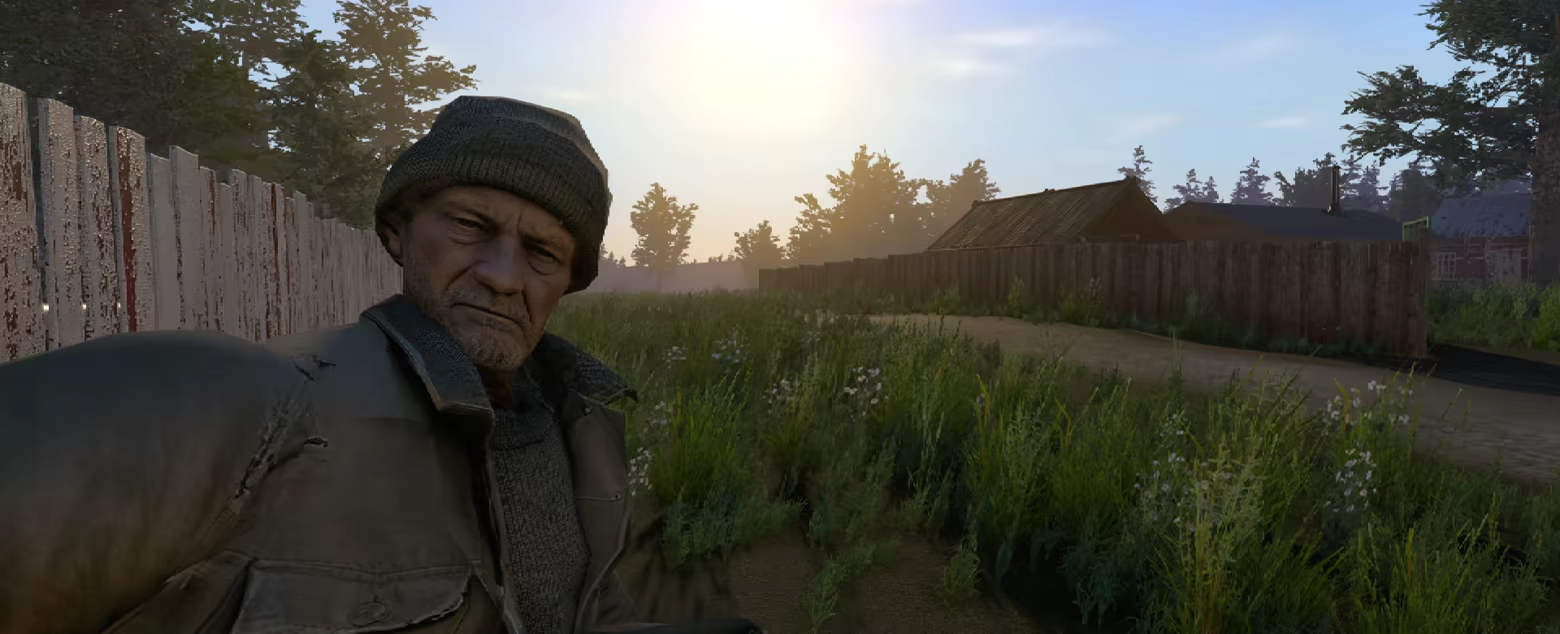
It’s a village, so people talk to each other. What you do with one person may affect how others see you.
A BELARUSIAN SUMMER, 2007
Your summer is spread across a handful of villages, each giving you a reason to come back. People to meet, work to do, errands to run, and places you need to visit are scattered across the countryside, so you’ll spend plenty of time on the road between them.
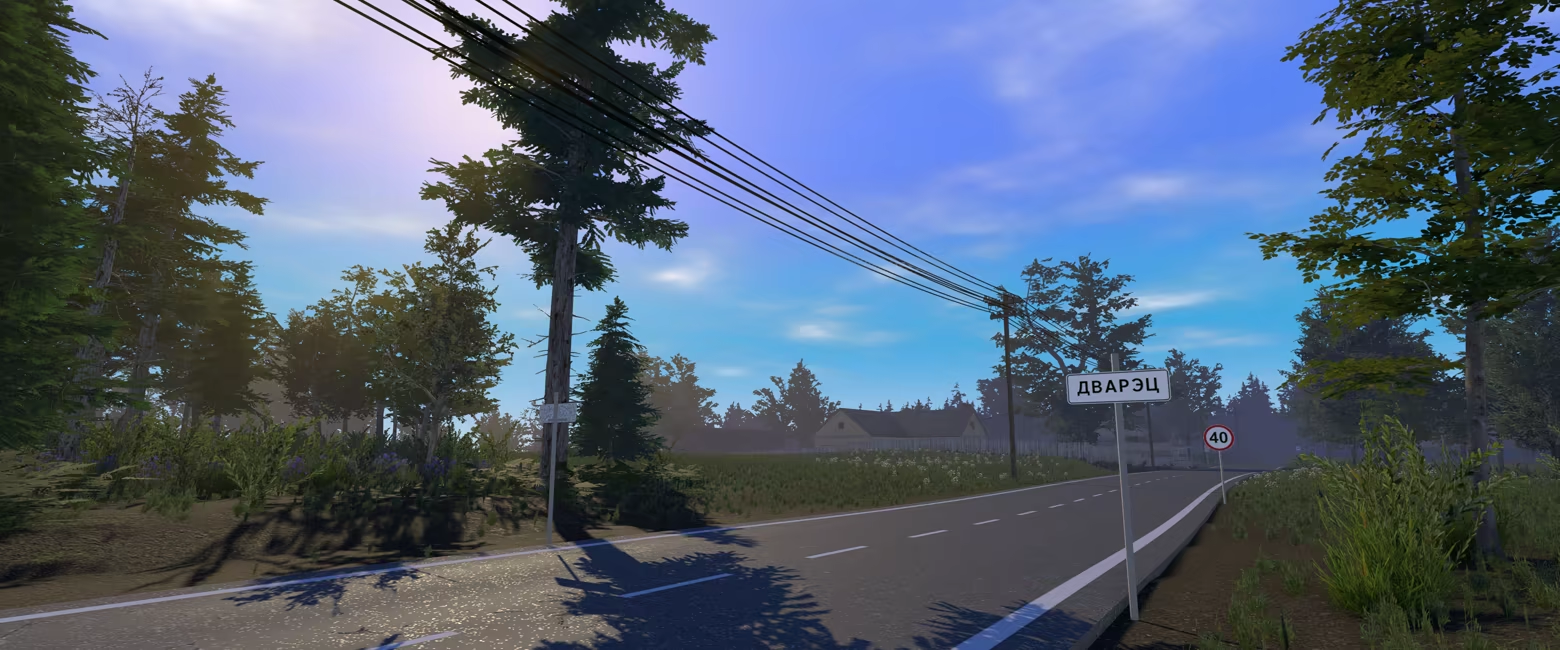
Most villages are connected by paved roads, though dirt tracks and forest roads can save time or fuel if you’re willing to take the rougher route. As you learn the area, choosing how to get somewhere becomes part of planning your day.
It’s 2007. You can call people, but mobile coverage isn’t reliable everywhere. Some things are still easier to sort out face to face, and if you’re waiting for an important call, it’s worth keeping the signal in mind when deciding where to go and which route to take.
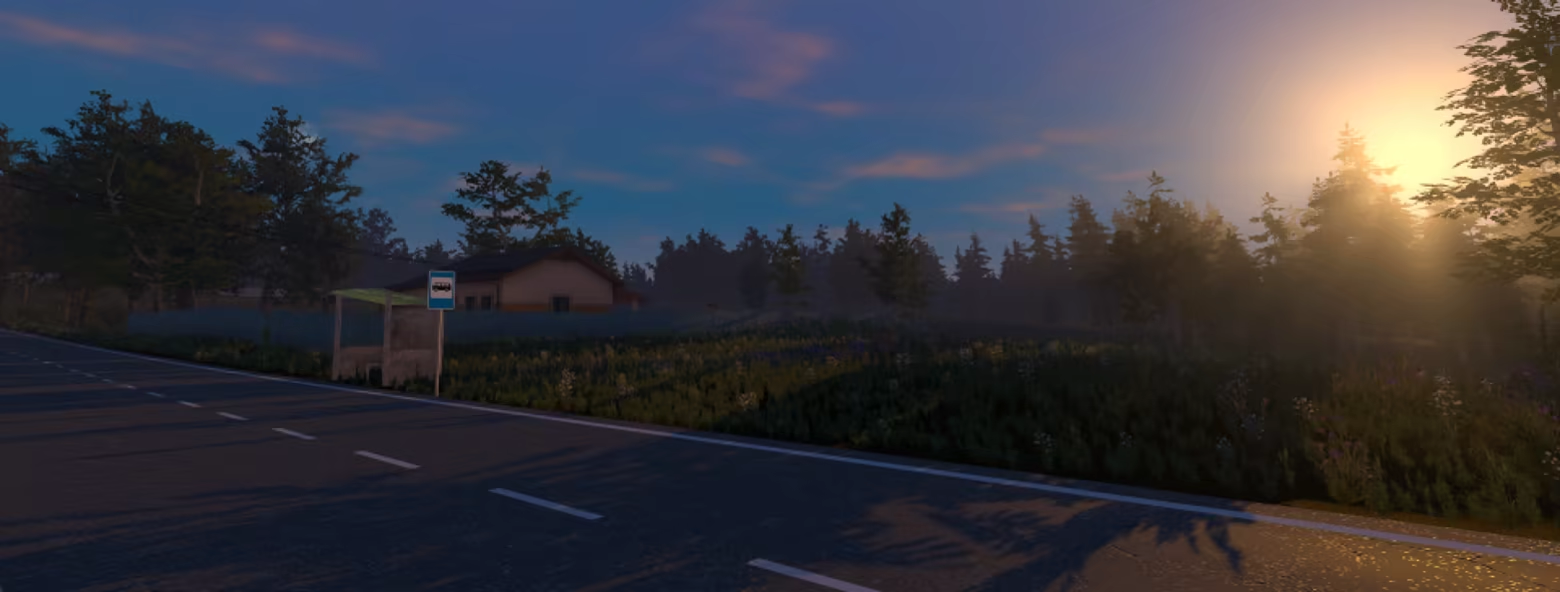
Earn money, study for your exams, spend time with people, work on the car, or do something else.
How you spend your days is up to you.
