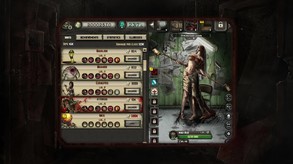
Insanity Clicker is a dark-themed incremental game that combines endless clicking mechanics with grotesque monster designs, chaotic progression systems, and horror-inspired presentation to create an addictive but intentionally repetitive experience built entirely around constant escalation. Like many idle games, the core concept is incredibly simple at first, asking players to repeatedly attack enemies in exchange for resources and upgrades. However, as progression accelerates, the game gradually transforms into a nonstop flood of absurd damage numbers, automated systems, strange abilities, and overwhelming visual effects that perfectly match its insanity-driven theme.
The gameplay follows the familiar structure of classic clicker and idle games. Players begin by manually clicking enemies to earn resources, which are then used to unlock stronger attacks, passive bonuses, automated damage systems, and increasingly powerful upgrades. Early progression moves quickly, constantly rewarding players with new mechanics and visible increases in power. Eventually, the game shifts heavily toward automation, allowing players to focus more on optimization, upgrades, and long-term progression rather than nonstop clicking.
One of the more memorable aspects of Insanity Clicker is its visual identity. Instead of using colorful fantasy heroes or cheerful cartoon environments like many other incremental games, it embraces disturbing monster designs, corrupted creatures, dark fantasy imagery, and intentionally chaotic interface effects. The game constantly pushes exaggerated horror aesthetics mixed with absurd humor, creating an atmosphere that feels both unsettling and strangely comedic at the same time. While the graphics themselves are fairly simple, the overall style gives the game more personality than many generic clicker titles.
The progression systems are designed to deliver constant rewards and satisfy the addictive nature of incremental gameplay. New upgrades, abilities, enemies, achievements, and prestige systems appear frequently enough that players almost always feel like they are working toward another major milestone. Watching damage numbers increase from tiny values into completely ridiculous levels creates the same satisfying dopamine-driven progression loop that defines the idle genre. The game understands exactly how to keep players chasing larger upgrades and stronger multipliers for long stretches of time.
Another strength is the amount of content included for a free-to-play release. There are numerous achievement systems, upgrade trees, pets, PvP features, and progression layers that provide long-term goals for dedicated players. Completionists can spend massive amounts of time unlocking every possible reward and maximizing their efficiency through increasingly optimized builds. The sheer amount of progression systems helps the game maintain engagement even after many hours of repetitive gameplay.
The horror-themed presentation also helps separate the game slightly from other idle titles. The enemy designs become increasingly bizarre and grotesque as progression continues, while the interface itself grows more chaotic and visually aggressive. The insanity concept is reflected directly through both gameplay escalation and visual overload, making the entire experience feel intentionally unstable in ways that fit the title perfectly.
Automation mechanics eventually become the true focus of the experience. Once players unlock enough passive systems, the game shifts away from constant manual clicking and toward balancing upgrades, optimizing production, and planning prestige resets. Choosing the best upgrades and determining when to restart progression for permanent bonuses adds a small but satisfying strategic layer beneath the otherwise repetitive structure.
The game is also very accessible for newcomers to the incremental genre. Controls are simple, mechanics are introduced gradually, and players can easily understand the basic gameplay loop within minutes. Like most idle games, it works both as an active experience during focused play sessions and as a passive background game players revisit periodically to collect rewards and purchase upgrades.
However, Insanity Clicker also struggles with many of the same problems that affect a large portion of the incremental genre. The repetitive structure eventually becomes impossible to ignore. Despite the horror aesthetics and constant progression, the gameplay ultimately revolves around repeating the same cycle endlessly: increase numbers, purchase upgrades, reset progress, and repeat the process again. Players who are not already fans of idle games will likely lose interest quickly once the novelty wears off.
One of the most common criticisms involves how heavily the game resembles other popular clicker titles, particularly Clicker Heroes. Many of the mechanics, progression systems, and gameplay structures feel heavily inspired by existing games without introducing enough innovation to fully stand apart. While the horror theme gives the game a stronger identity visually, the actual gameplay often feels very familiar.
Balance issues also become noticeable during later stages of progression. Advancement can slow dramatically, forcing players into excessive grinding while chasing increasingly expensive upgrades. Some players may enjoy the long-term optimization process, but others will likely find the pacing frustrating once progression begins requiring far more time investment.
The monetization systems may also frustrate some audiences. Since the game is free-to-play, premium purchases and optional microtransactions are integrated into the experience, occasionally creating the impression that progression is intentionally slowed to encourage spending. While the game remains fully playable without paying, the monetization design is difficult to ignore completely.
The interface can also become cluttered and visually overwhelming during later stages. As more upgrades, effects, and systems activate simultaneously, the screen sometimes becomes difficult to read clearly. The chaotic presentation fits the game’s insanity theme, but it occasionally sacrifices usability for visual overload.
Technical roughness and balancing problems have also been criticized by parts of the community over the years. PvP systems, progression tuning, and certain mechanics have occasionally suffered from inconsistencies and poor balancing, especially during endgame content.
Despite these flaws, Insanity Clicker succeeds at delivering the addictive progression loop idle game fans expect. The combination of grotesque horror visuals, endless upgrades, absurdly escalating numbers, and constant reward systems creates an experience that remains strangely difficult to stop playing once momentum begins building. Even when the gameplay becomes repetitive, the constant sense of progression continues encouraging players to chase larger achievements and stronger builds.
Insanity Clicker may not reinvent the incremental genre, but it provides an entertaining and content-heavy idle experience wrapped inside a memorable horror-themed presentation. Players already addicted to clicker games will likely appreciate the nonstop progression systems, chaotic atmosphere, and enormous amount of unlockable content, even if the repetitive structure and derivative mechanics prevent it from becoming one of the genre’s true standouts.
Rating: 6/10