From a garage to a global empire
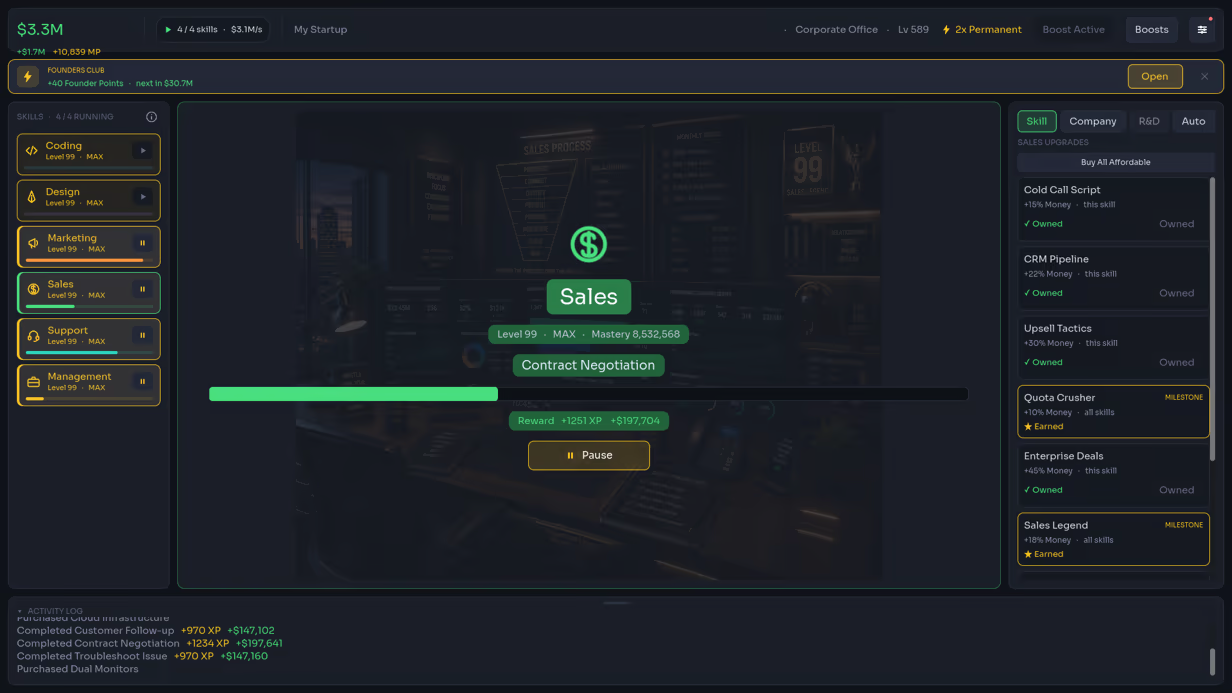
You started with a laptop and an idea. Idle Startup is a relaxing incremental game about growing that idea into a global tech company — one completed task at a time. Pick a skill and it goes to work: progress bars fill, XP rolls in, money stacks up. Spend it, level up, and watch new skills and whole departments unlock as your company climbs from a one-person Garage Startup to a Corporate Office.
Six skills, each its own journey
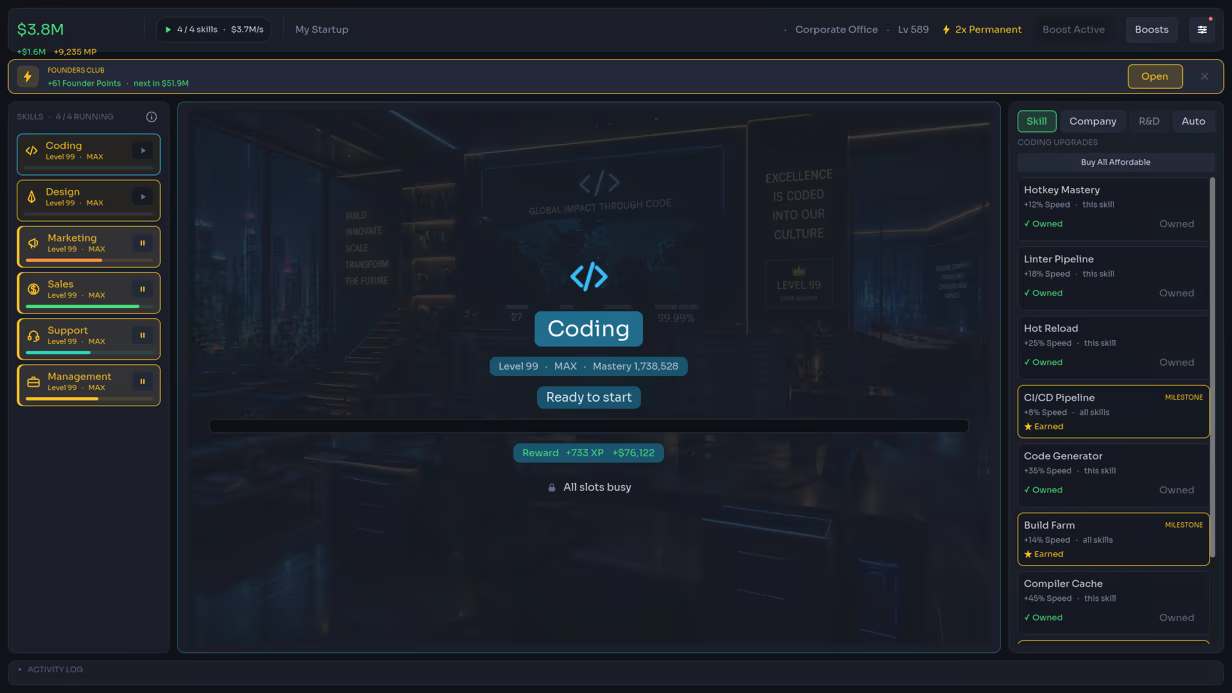
Every one of the six skills has its own upgrade tree gated by level and cost, backed by a company-wide store and an R&D lab. Push each skill through
milestones at levels 25, 50, 75 and 99 for permanent, company-wide bonuses — and when a skill maxes out it keeps earning
Mastery, a slow bonus that never stops growing.
Prestige, and go again — faster
Cash out your company for
Founder Points and spend them in the
Founder Store on permanent, cross-run upgrades: extra parallel skill slots, compounding growth, seed capital, a veteran team. Every run resets the ramp so the next climb is faster and reaches higher. It's an endless prestige loop with real teeth.
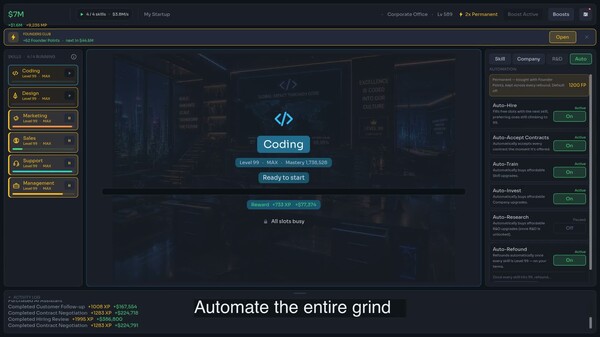
Automate the grind
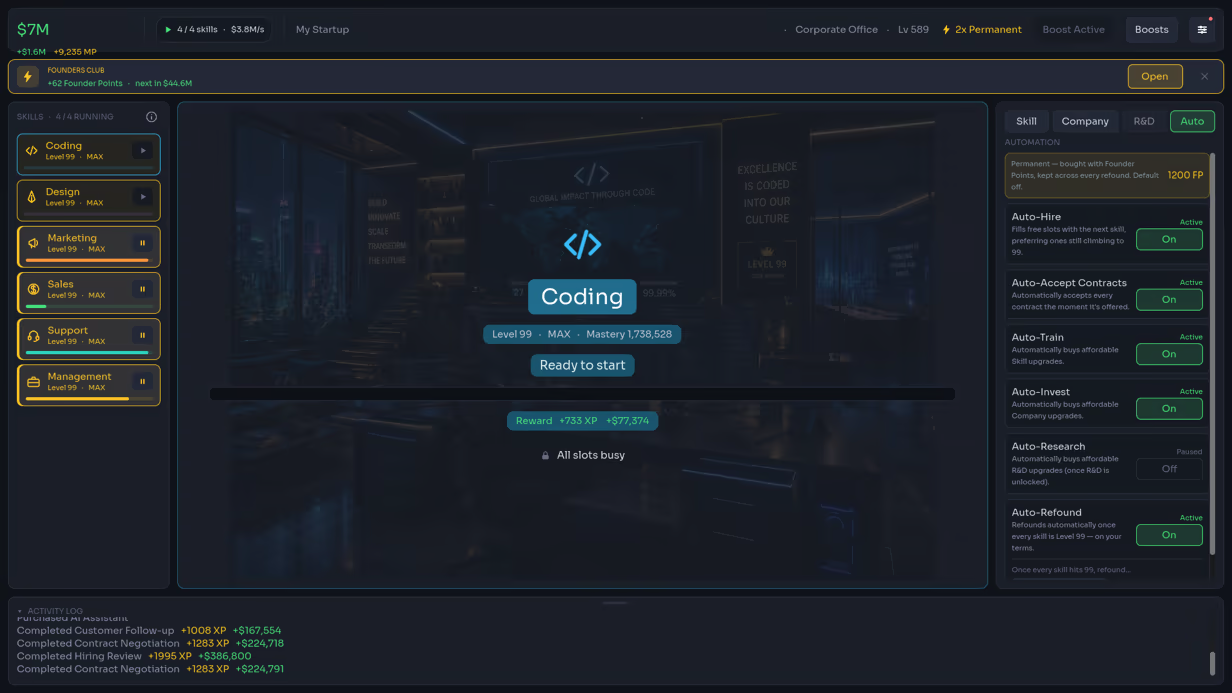
Once you know the loop, hand it off. The
Auto tab lets you toggle Auto-Hire, Auto-Train, Auto-Invest, Auto-Research, Auto-Accept-Contracts — even Auto-Refound. Build a machine that runs your whole company while you watch the numbers climb, or walk away entirely and come back richer.
Take on contracts, climb the boards
Accept
contracts for bonus goals, then measure yourself against everyone else: global and friends
leaderboards, plus time-to-99
speedrun boards tracked down to the second. How fast can you max a skill?
Make it yours
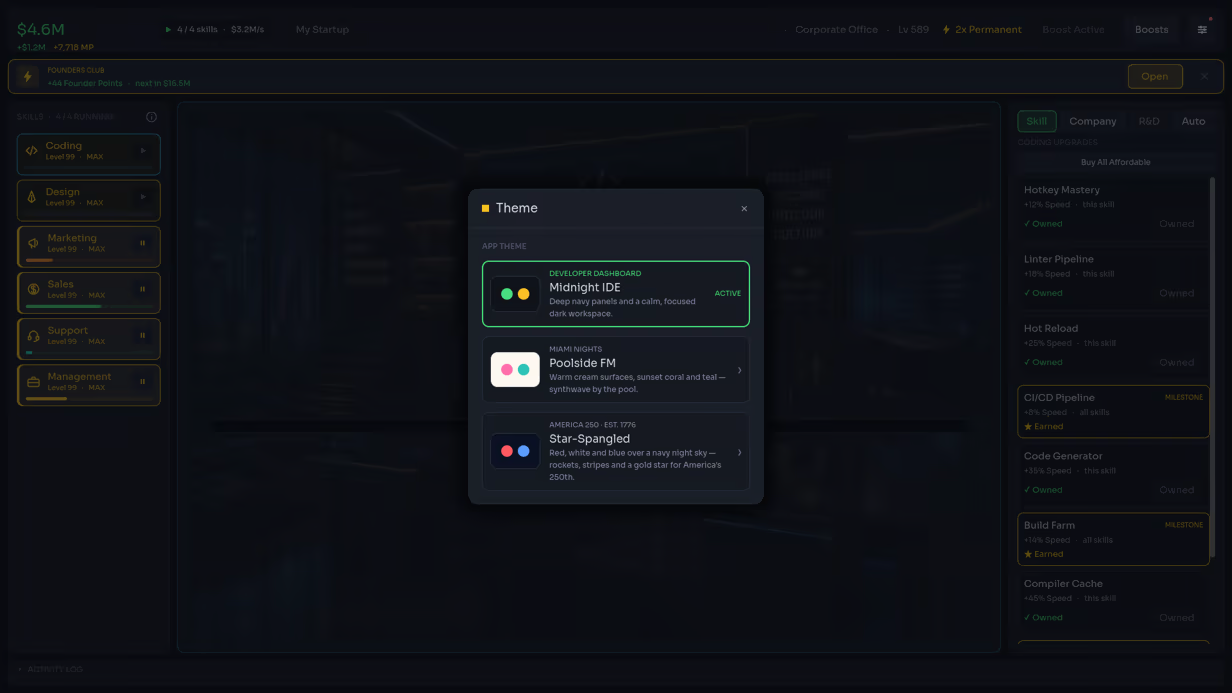
Switch between interface
themes — the sleek Midnight IDE or the warm Poolside FM sunset — with seasonal drops like the Star-Spangled July 4th theme and its full-length lo-fi music playlist. A tidy, modern interface designed to stay out of your way.
Always progressing
Idle Startup respects your time. It keeps earning while it's closed, greets you with a
Welcome Back recap of everything you made and every level you gained, and hands you a free
Coffee Break speed boost a few times a day. Your save syncs through Steam Cloud, so you can pick up on any device.
Optional boost packs (you don't need them)
Three small optional purchases let you skip ahead if you want to: an
Energy Drink for a 2× speed boost across four hours, a
Coffee Pot for a full 24 hours, and a one-time
Productivity Suite for a permanent 2× speed boost and unlimited offline earnings. None of them are required — the whole game is playable and completable without spending anything.
Features- One-click idle loop — pick a skill, it runs itself
- 6 skills across 4 company tiers, from Garage Startup to Corporate Office
- Deep upgrade trees — 66 skill & company upgrades, an R&D lab, and a Founder Store
- Milestone bonuses at Lv 25/50/75/99, plus endless Mastery on maxed skills
- Prestige loop — cash out for Founder Points and permanent cross-run upgrades
- Full automation — six toggleable auto-managers, including auto-prestige
- Contracts for bonus goals to chase
- Global + friends leaderboards and time-to-99 speedrun boards
- 50+ Steam achievements, from First Day to Trillionaire
- Interface themes, including seasonal drops with their own music
- Offline progress with a clear Welcome Back recap
- Steam Cloud saves — play on Windows and macOS (Steam Deck supported via Proton)
- A free recurring speed boost, no ads ever
- Optional one-time boost purchases — never required, never gated