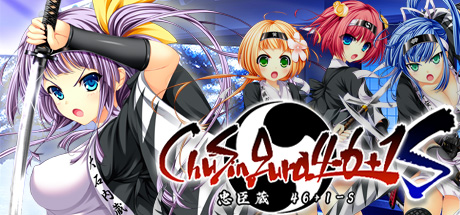
ChuSingura46+1 S
ChuSingura46+1S is an award-winning Japanese visual novel set in an alternate Edo Japan where all the Samurai are inexplicably female. You can get to know the “intimate” side of the characters from the classic Japanese tale of the 47 Ronin, all without any of the dangly or rough bits of the original!
Estimated lifetime revenueHigh confidence
—
—
Modeled estimate, not a reported figure. How we estimate →
Est. copies sold
36.1K
mid estimate
Reviews
987
Review score
86%
8.6/10
Playing now
1
live
Media
Screenshots & trailer
About
About the game
ChuSingura46+1 is an award-winning visual novel that puts you in the shoes of a high schooler who gets transported back in time into the body of a Samurai. However, in this timeline, all the Samurai are inexplicably female. You can get to know the “intimate” side of the characters from the classic Japanese tale of the 47 Ronin while playing a visual novel ー all without any of the dangly or rough bits of the original!
This visual novel has been adapted from a sound novel based on the actual historical facts of the Ako incident. In adapting the story to visual novel format, most of the main characters of the 47 Ronin have been turned into females, and parts of the core story have been polished into a lighter literary style that also incorporates fantasy elements.
The story goes something like this…
On the 14th day of the third month of Genroku 14 (1701 CE), an incident occurred involving the ruler of the Ako Domain, Lord Asano Takumi No Mikami shedding the blood of Kira Kousuke No Suke in the Corridor of the Pines in Edo Palace.
This incident that would later become known in Japan as the famous Ako incident.
Upon hearing of this incident on the same day, the fifth shogun of the Tokugawa dynasty, Tokugawa Tsunayoshi, became enraged.
It was ruled that that very same day, Lord Asano should be sentenced to seppuku, after which his lands were to be scattered and his house broken up. Meanwhile, Kira Kousuke No Suke received no no rebuke whatsoever, going against the tradition set by the first Shogun of punishing both parties in a fight.
Unable to comprehend this harsh and shocking punishment, the loyal Samurai retainers of Ako start to move to restore honour to their master by commencing a vendetta against Lord Kira.
Meanwhile, Fukami Suguha is transported from present day Japan to the Edo-period Ako domain, where he gets to know the Ako Ronin.
What will become of Suguha as he throws himself to the mercy of the cogs of history, and will he ever be able to return to his own time?
This visual novel has been adapted from a sound novel based on the actual historical facts of the Ako incident. In adapting the story to visual novel format, most of the main characters of the 47 Ronin have been turned into females, and parts of the core story have been polished into a lighter literary style that also incorporates fantasy elements.
The story goes something like this…
On the 14th day of the third month of Genroku 14 (1701 CE), an incident occurred involving the ruler of the Ako Domain, Lord Asano Takumi No Mikami shedding the blood of Kira Kousuke No Suke in the Corridor of the Pines in Edo Palace.
This incident that would later become known in Japan as the famous Ako incident.
Upon hearing of this incident on the same day, the fifth shogun of the Tokugawa dynasty, Tokugawa Tsunayoshi, became enraged.
It was ruled that that very same day, Lord Asano should be sentenced to seppuku, after which his lands were to be scattered and his house broken up. Meanwhile, Kira Kousuke No Suke received no no rebuke whatsoever, going against the tradition set by the first Shogun of punishing both parties in a fight.
Unable to comprehend this harsh and shocking punishment, the loyal Samurai retainers of Ako start to move to restore honour to their master by commencing a vendetta against Lord Kira.
Meanwhile, Fukami Suguha is transported from present day Japan to the Edo-period Ako domain, where he gets to know the Ako Ronin.
What will become of Suguha as he throws himself to the mercy of the cogs of history, and will he ever be able to return to his own time?