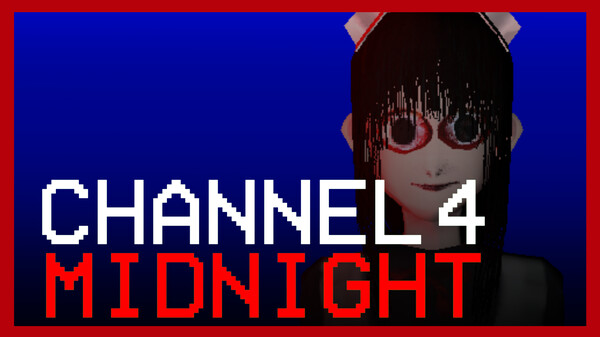
A bite-sized psychological horror game about a wayward soul who seeks transformation through a sinister ritual.
Revenue comes from in-game items and microtransactions, which our price-based model doesn't estimate. Copies below reflect the player base, not paid sales.
Media

About
You are far away from home.
Winter chills you to the bone.
Staying at a dingy inn, you perform an old ritual that who-knows-whom on the internet taught you.
This is a story-driven, first person horror game of 15-20 minutes of gameplay.
Guidelines to the ritual are hinted at in a blog called The Channels, which can only be accessed through the inn's private network. You read the page carefully and follow the guidelines. Then you will be fine.
At the end of a successful ritual, you will be rewarded by being transformed into someone completely different from who you are.
Well, how does that sound?
Tempting? Then give it a try.
Genres
Stats
Languages: English**languages with full audio support
Engagement
Reviews
Themes across 42 recent reviews and how positive each mention is. A keyword signal, not full sentiment analysis.
Reviews
Channel 4 Midnight is a compact psychological horror game that proves atmosphere and emotional tension can be far more disturbing than constant jump scares or excessive violence. Developed and published by foolkien, the game places players in an isolated and deeply uncomfortable situation where mystery slowly transforms into dread. Rather than focusing on traditional survival horror mechanics, it delivers a narrative-driven experience centered on fear of the unknown, personal identity, and dangerous curiosity. Despite its short runtime, the game manages to create an unsettling journey that lingers long after it ends. The story begins with a traveler spending the night in a decaying inn during an unforgiving winter. Alone and emotionally vulnerable, the protagonist becomes fascinated by a strange online ritual tied to mysterious broadcasts and hidden internet channels. The setup immediately creates a sense of unease because it feels strangely believable. The idea of anonymous online communities encouraging dangerous or supernatural behavior taps into modern fears surrounding isolation and digital obsession. What begins as curiosity gradually develops into something darker and more psychologically disturbing. The game’s atmosphere is its greatest achievement. Every environment feels cold, silent, and emotionally draining. The inn itself becomes a character of its own, filled with dim hallways, weak lighting, and an overwhelming sense of loneliness. Instead of overwhelming players with nonstop scares, the game slowly builds tension through subtle environmental details and carefully controlled pacing. Even simple actions such as walking through narrow corridors or entering dark rooms feel uncomfortable because the game constantly creates the impression that something terrible may happen at any moment. Visually, Channel 4 Midnight embraces a minimalist style that complements its psychological tone perfectly. The graphics are intentionally subdued, relying heavily on lighting, shadows, and environmental composition to create fear. This approach works surprisingly well because it leaves much of the horror to the player’s imagination. Small visual distortions and strange imagery become more unsettling precisely because they are restrained. The first-person perspective also strengthens immersion, making the experience feel intimate and personal rather than distant or cinematic. The writing deserves significant praise because it avoids excessive exposition and allows players to interpret much of the story themselves. Information about the mysterious “Channels” and the ritual is revealed gradually through fragmented clues and environmental storytelling. This ambiguity keeps players invested because the game never fully explains whether the ritual promises liberation, destruction, or something far stranger. The uncertainty surrounding the protagonist’s actions creates constant tension, especially as the line between reality and paranoia becomes increasingly unclear. One of the most interesting aspects of the game is its exploration of transformation and identity. The ritual promises the possibility of becoming someone entirely different, and this concept gives the horror genuine emotional depth. Beneath the unsettling atmosphere lies a story about dissatisfaction, loneliness, and the temptation to escape one’s current existence. The supernatural elements work effectively because they are tied to relatable emotional struggles rather than existing purely for shock value. This thematic focus elevates the game beyond a simple indie horror experience. The pacing is impressively controlled for such a short game. Lasting roughly twenty minutes, the experience wastes very little time and maintains a consistent feeling of tension from beginning to end. Every interaction and visual detail feels intentional, allowing the game to avoid filler entirely. Instead of overstaying its welcome, Channel 4 Midnight delivers its central ideas quickly and leaves players with lingering questions and emotions afterward. The short runtime may disappoint players looking for a longer adventure, but it also helps preserve the game’s intensity. Sound design plays a massive role in maintaining immersion. Quiet ambient noises, distant creaking sounds, and unsettling silence constantly place the player in a vulnerable state. The game understands how effective restraint can be in horror design. Rather than relying on loud audio stingers every few seconds, it creates fear through subtle background sounds and anticipation. This restrained approach makes every unusual noise feel significant and threatening. However, the game’s minimalism can also be seen as a weakness depending on player expectations. Those searching for complex gameplay systems, puzzles, or survival mechanics may find the experience too simple. Much of the game revolves around exploration and atmosphere rather than traditional interaction-heavy gameplay. Players expecting intense action or frequent scares could feel underwhelmed by the slower and more psychological approach. The short runtime may also leave some players wanting more. While the concise format works artistically, several ideas introduced throughout the narrative feel interesting enough to deserve deeper development. The world surrounding the mysterious Channels and the ritual itself hints at larger concepts that remain mostly unexplored. This ambiguity contributes to the horror, but it may also frustrate players hoping for clearer answers or expanded lore. Even with these limitations, Channel 4 Midnight succeeds because it fully commits to its vision. It understands that psychological horror often works best when fear comes from implication rather than direct confrontation. The game focuses entirely on mood, emotional discomfort, and uncertainty, creating an experience that feels intimate and haunting. Its horror comes not from monsters constantly chasing the player, but from the terrifying possibility of willingly losing oneself in pursuit of escape or transformation. What makes the game memorable is how effectively it combines personal themes with atmospheric storytelling. The protagonist’s loneliness and desperation give emotional context to the ritual, making the supernatural elements feel symbolic as well as frightening. The result is a horror experience that feels reflective and unsettling at the same time. Channel 4 Midnight may be brief, but it demonstrates how smaller independent horror games can leave powerful impressions through strong atmosphere and thematic storytelling. Its eerie environments, disturbing ideas, and emotionally charged narrative create a uniquely uncomfortable experience that remains compelling from start to finish. Players who appreciate slow-burning psychological horror and subtle storytelling will likely find it far more memorable than many larger horror releases. Rating: 8/10
Related
Related
Trends
Concurrent players on Steam, sampled daily since tracking started.
Hours played at review time, across 42 reviews with recorded playtime.
positive critical· bar length = how often the theme comes up
I guess is good
Audience
Estimated from the language of this game's reviews — a proxy for where players are, not official Steam demographics.