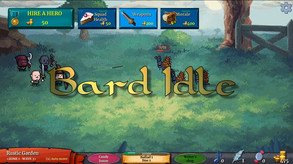
Build a unique team, where each character has a random weapon, race and class. Strong combinations of heroes, enhanced by the ballad creation system and jelly dwarfs, will capture your adventure in history!
Revenue comes from in-game items and microtransactions, which our price-based model doesn't estimate. Copies below reflect the player base, not paid sales.
Media

About
Genres
Stats
Languages: English, Russian
Engagement
Reviews
Themes across 40 recent reviews and how positive each mention is. A keyword signal, not full sentiment analysis.
Reviews
Быстрый разговор к разработчикам. Жадные чмошники, урон по жопе в 2 раза больше за 3800 рублей. Получите ромашку. _____________$$_____$$$____$$ _____________$$$$___$$$___$$$ ______________$$$$__$$$__$$$$ ________$$$____$$$__$$$_$$$$___$$$$ ________$$$$$$__$$$_$$$$$$$__$$$$$ __________$$$$$$$$$$$$$$$$_$$$$$$ _____________$$$$$______$$$$$$ _____$$$$$$$$$$$$___$$$___$$$$$$$$$$$ _____$$$$$$$$$$$___$$$$$__$$$$$$$$$$$ _____________$$$____$$$___$$$ ________$$$$$$$$$________$$$$$$$$$ ______$$$$$$$$_$$$$$$$$$$$$$_$$$$$$$ ______$$$$____$$$$$$$$$$$$$$$___$$$$ ____________$$$$$_$$$_$$$_$$$$$ ___________$$$$$_$$$$_$$$ __$$$$$ __________$$$_$__$$$__$$$$___$$$ _____________$__$$$$___$$$ ___________$$____$$_____$$ __________$$ _________$$ _______$$ ______$$ ____$$$ ___$$$ __$$ $$
Bard Idle is a fantasy-themed idle RPG that manages to offer far more strategic depth than its simple appearance initially suggests. While many idle games rely almost entirely on passive progression and repetitive number growth, Bard Idle adds layers of party management, class experimentation, and faction-based systems that make the experience feel closer to a lightweight strategy RPG than a traditional clicker game. Built around the idea of assembling a constantly evolving team of fantasy heroes, the game combines automated combat with surprisingly flexible customization systems that reward long-term planning and experimentation. The foundation of the game revolves around recruiting randomly generated heroes from different races, classes, and factions. Instead of giving players a fixed roster of predictable units, Bard Idle constantly introduces new combinations that encourage adaptation and experimentation. Warriors, mages, rogues, and support units can all be combined into unique party setups, and the variety of class paths gives players freedom to build teams according to their preferred strategies. This randomness becomes one of the game’s most engaging elements because no single composition remains perfect forever. One of the most distinctive mechanics is the ballad system, which gives the game much of its personality. Players create musical ballads that act as powerful modifiers affecting combat performance, progression speed, and overall team efficiency. Rather than functioning as simple passive bonuses, these ballads become an important strategic layer that shapes how parties perform in battle. The mechanic also reinforces the bard-inspired theme in a meaningful way instead of using it purely as aesthetic decoration. This gives the game a stronger identity compared to many other fantasy idle RPGs that rely heavily on generic systems. Combat itself is automated, but there is still plenty of player involvement behind the scenes. Battles unfold automatically while players focus on preparing their teams, upgrading heroes, and adjusting builds for different challenges. Arena fights, Titan encounters, and progression-based modes all require players to think carefully about synergies and resource allocation. The actual fighting may play out on its own, but the strategic decisions leading into those battles remain engaging throughout much of the experience. Progression systems are where Bard Idle truly shines. The game offers a huge number of classes, races, weapon types, factions, and unlockable mechanics that gradually expand over time. Every new hero or upgrade introduces opportunities for experimentation, and discovering powerful combinations becomes one of the most satisfying parts of the game. Unlike simpler idle titles where progression often feels linear, Bard Idle encourages players to constantly refine and rebuild their teams as new options become available. Another surprisingly enjoyable aspect is the faction and world management systems. Different groups and progression paths add more depth to the overall experience, helping the game feel larger than a standard idle RPG. Frequent updates and expanding systems involving castles, diplomacy, and world progression create the impression of a living fantasy world rather than a static progression simulator. These additions help maintain long-term interest by continually introducing new mechanics and goals for dedicated players. Visually, the game adopts a colorful fantasy art style that prioritizes readability and functionality. Character portraits, menus, and combat visuals are simple but effective, allowing players to quickly process the large amount of information constantly appearing on screen. While the graphics are not especially advanced, they fit the idle RPG structure well and help maintain a consistent fantasy atmosphere. The interface can initially feel overwhelming because of the sheer number of menus and systems, but it becomes easier to manage once players understand the overall structure. The soundtrack and audio design support the game’s fantasy atmosphere nicely. Relaxing background music and satisfying interface sounds make long grinding sessions more enjoyable, while combat audio provides enough feedback to keep progression feeling rewarding. The sound design may not be especially memorable on its own, but it complements the addictive gameplay loop effectively. One of the game’s biggest strengths is how well it balances active and passive gameplay. Players can allow the game to progress automatically for long periods, but there are also enough systems requiring direct input to prevent the experience from becoming completely mindless. Optimizing teams, selecting upgrades, managing factions, and refining ballads all create meaningful moments of decision-making. This combination helps the game remain engaging even during extended play sessions. However, Bard Idle also suffers from several weaknesses common to the idle genre. The progression eventually becomes extremely grind-heavy, especially during later stages where advancement slows dramatically. Like many incremental games, much of the experience eventually revolves around waiting for resources to accumulate before unlocking the next upgrade or progression milestone. Players who dislike slow pacing and repetitive optimization loops may lose interest over time. The interface can also become cluttered and intimidating. Since the game introduces numerous currencies, progression systems, classes, and mechanics, newer players may feel overwhelmed by the sheer amount of information. Some menus lack clarity, and understanding the deeper mechanics sometimes requires experimentation rather than intuitive design. Monetization is another controversial aspect of the experience. Bard Idle includes a large number of downloadable content packs and optional purchases, some of which are priced surprisingly high for an indie idle game. While the base experience remains accessible, the constant presence of premium content can occasionally make the progression structure feel overly tied to monetization rather than pure gameplay progression. Despite these flaws, Bard Idle succeeds because of the amount of strategic depth hidden beneath its idle mechanics. The combination of randomized heroes, extensive class systems, faction management, and ballad customization creates an experience that feels far more rewarding than many standard clicker games. It captures the addictive progression loops that idle fans enjoy while still giving players enough control and experimentation to remain mentally engaging. For players who enjoy fantasy idle RPGs, auto-battlers, and progression systems centered around optimization and experimentation, Bard Idle offers a surprisingly rich and content-heavy experience. Although the grind-heavy structure and monetization issues may frustrate some players, the game’s strategic flexibility and long-term progression systems make it one of the more compelling entries in the idle RPG genre. Rating: 7/10
Related
Related
Trends
Concurrent players on Steam, sampled daily since tracking started.
Hours played at review time, across 41 reviews with recorded playtime.
positive critical· bar length = how often the theme comes up
Чудова гра
吃相难看,手段下作,垃圾!
Change the pointer to something more visible. I like the game and the premise, though. :-)
Pay to win
Very addictive, ruined my midterm exam. This is an illegal free game. Each run is unique: some very fast runs with lots of clicks, some with a lot of impatience, and the rare case of automation destiny. Love seeing numbers go big. 10/10, let's see if I can play more of it.
Good!
Rating: 7/10.
I mean it's an idle game! What do you expect? lol it's gonna take a Real long time to progress unless you pay them money, welcome to any free idle game. Boo Hoo. So if you like idle games, then for sure it's pretty good. It's pretty fun if you like this kinda game, I think there should be some more quality of life things but that's just my opinion. Not sure why it has mixed reviews, either you like it or you go play another little idle game. I Recommend it :)
Audience
Estimated from the language of this game's reviews — a proxy for where players are, not official Steam demographics.