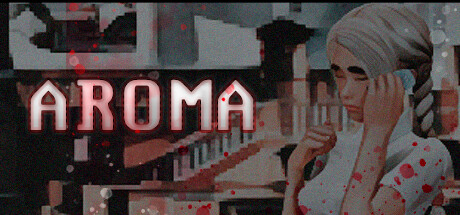
This is a simple story about young people, about the aroma of youth and the smells of life, which can so easily be cut short by a fatal accident.Or maybe at the behest of a heartless fate.
Revenue comes from in-game items and microtransactions, which our price-based model doesn't estimate. Copies below reflect the player base, not paid sales.
Media

About
Genres
Stats
Languages: Russian, English
Engagement
Reviews
Themes across 42 recent reviews and how positive each mention is. A keyword signal, not full sentiment analysis.
Reviews
Я долго думал рекомендовать или нет. Поначалу игра показалось реально жуткой и тревожной. Потом же ощущение ушло и я просто перестал смотреть эти сцены жути. Многие тропы угадываются легко. Минус ли это? Тем не менее, основной твист не сразу я разгадал. В общем скорее я советую. Хотя в игре и есть некоторые абсолютно ненужные сцены и непонятно их присутствие в игре. Да и игра от лица других персонажей мне не понравилось. Короче на разок можно. Пооткрывать концовки также рекомендую. Прикольно. Мне реально стало даже немного физически плохо. Так что если вы человечек восприимчивый, то не советую. Либо скипайте все жуткие сцены
Хочется больше подробностей, но мне понравилось)
Related
Related
Trends
Concurrent players on Steam, sampled daily since tracking started.
Hours played at review time, across 42 reviews with recorded playtime.
positive critical· bar length = how often the theme comes up
Прикольно
Aroma, created by Oyashiro.dev and NTWL and published by Oyashiro.dev, is a small-scale visual novel that relies more on mood and subtle emotional storytelling than on spectacle or complex mechanics. It places players in the middle of a quiet, introspective narrative centered on a group of young people dealing with the uncertainties of adolescence in a bleak, vaguely Eastern European setting. Rather than pushing dramatic twists upfront, the game unfolds gradually, allowing its characters and atmosphere to take the lead, which gives the experience a grounded and sometimes uncomfortably intimate tone. The narrative is built around everyday interactions that slowly reveal deeper layers of each character. Conversations feel natural, often meandering in a way that mirrors real-life dialogue, and this design choice helps establish a sense of authenticity. The characters are not exaggerated personalities but rather believable individuals with insecurities, regrets, and conflicting desires. As the story progresses, their relationships shift in subtle ways, and the player’s choices influence how certain situations play out. These decisions do not radically alter the plot, but they do change the emotional context and perspective, making each playthrough feel slightly different without losing the core narrative identity. Visually, Aroma embraces a minimalist pixel art style that leans into muted tones and understated detail. This aesthetic does a lot of heavy lifting in terms of atmosphere, creating a sense of quiet isolation that complements the story’s themes. The environments feel intentionally sparse, almost empty at times, reinforcing the idea of a world that is both familiar and emotionally distant. This is further enhanced by the game’s sound design, which alternates between soft, melancholic tracks and more unsettling audio cues. The music never overwhelms the scenes but instead quietly supports the emotional weight of each moment, making certain interactions feel more impactful. One of the game’s most notable strengths is how it maintains a persistent undercurrent of tension. Even during seemingly ordinary scenes, there is a lingering sense that something is off, as if the characters are on the edge of something they cannot fully understand or control. This subtle psychological edge gives the narrative depth and encourages players to read between the lines. The story does not always provide clear answers, and this ambiguity becomes part of its appeal, allowing players to interpret events in their own way. That said, Aroma’s approach will not work for everyone. Its slow pacing can feel drawn out, especially for players expecting a more plot-driven experience. Some scenes linger longer than necessary, and the lack of major turning points may leave certain players wanting more narrative momentum. The translation, while generally understandable, occasionally feels rough around the edges, which can break immersion during key emotional exchanges. Additionally, the relatively short length of the game limits how deeply it can explore its themes, leaving some character arcs feeling incomplete or only partially realized. Even with these limitations, Aroma manages to stand out because of its sincerity and strong sense of atmosphere. It does not try to be overly ambitious or complex, instead focusing on delivering a specific emotional experience. The game captures the awkwardness, confusion, and quiet intensity of youth in a way that feels honest rather than exaggerated. Its restrained storytelling and moody presentation give it a distinctive identity among indie visual novels, especially for players who appreciate narratives that prioritize feeling over action. Overall, Aroma is a thoughtful and atmospheric experience that succeeds more through its tone and character work than through traditional storytelling structure. It may not offer a long or highly polished journey, but it leaves a lasting impression through its subtlety and emotional nuance. For those willing to engage with its slower pace and understated design, it provides a quietly compelling narrative that lingers in the mind. Rating: 7/10
aroma
Не так страшен чёрт, как его малюют. Думал будет больше жести, но как-то лайтово. Конечно, далеко не шедевр, но почитать можно.
зря не прошёл её когда в тиктоке увидел перед выходом (хорошая игрушка)
бомба
Классная нишевая игруля! Из плюсов итересная графика, сюжетик и в целом концепция Из минусов, сюжетные дыры, немного душновато, но плюсы перевешивают
на любителя
Audience
Estimated from the language of this game's reviews — a proxy for where players are, not official Steam demographics.